
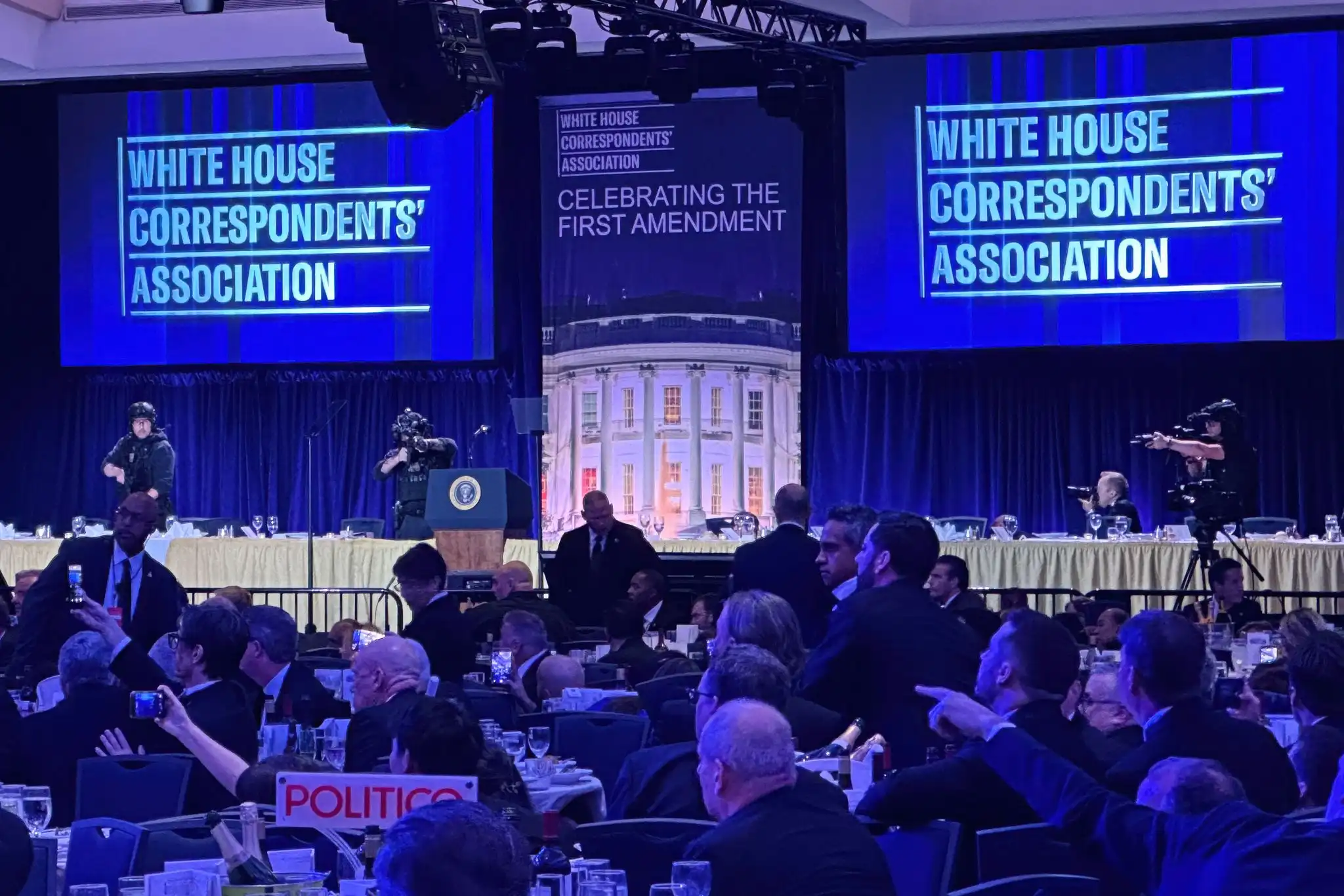
A Nation on Edge
The latest reported threat involving President Donald Trump has once again intensified concerns about political violence in the United States. While details surrounding the incident are still developing, the situation has already sparked widespread debate among political analysts, security experts, and the public about the increasing normalization of political hostility.
According to reporting tied to political analysis discussions, scholars have been examining whether the United States is entering a new phase of sustained political violence, where threats against high-profile figures are becoming more frequent and more visible in public discourse.
One political science perspective shared through analysis from The Conversation highlights that experts are increasingly alarmed by the steady rise in politically motivated aggression and rhetoric across the country .
What Happened in the Latest Trump Threat Incident?
The recent incident involving a threat against Donald Trump has not been fully detailed in official public records at the time of reporting, but it has been widely discussed in the context of growing political instability in the United States.
Security concerns surrounding Trump are not new, but this latest development has added to an already tense political environment where threats against public officials are increasingly treated as part of a broader national security concern.
Law enforcement agencies continue to monitor and investigate politically motivated threats, especially those targeting high-profile figures, as part of ongoing domestic security protocols.
Experts Warn: Political Violence Is Becoming More Normalized
Political violence scholars have pointed out that the United States is experiencing a shift in how political conflict is expressed.
Instead of being limited to rhetoric or protests, experts argue that some individuals are increasingly willing to express political frustration through threats or violent actions.
According to political analysis discussed by The Conversation, researchers have been tracking a rise in politically motivated hostility, with warning signs appearing in both online and offline environments .
This includes:
- Increased threatening rhetoric toward political figures
- Rising polarization between ideological groups
- Greater exposure to extremist content online
- Reduced trust in democratic institutions
The Role of Donald Trump in Political Polarization
Donald Trump remains one of the most polarizing political figures in modern American history.
Supporters often view him as a disruptive force against establishment politics, while critics argue that his rhetoric and leadership style have contributed to heightened political tension.
Because of his visibility and influence, Trump frequently becomes a focal point in discussions about political violence and security risks.
The latest threat has reignited debate over whether political figures like Trump are uniquely exposed due to their symbolic role in a deeply divided political landscape.
Rising Political Violence in the United States
Over the past several years, incidents of political violence and threats against public officials have become more visible in the United States.
Experts studying domestic extremism point to several contributing factors:
- Political polarization
- Online radicalization
- Distrust in government institutions
- Increased normalization of aggressive rhetoric
These conditions create an environment where threats—whether credible or not—are taken more seriously and monitored more closely by security agencies.
Security analysts warn that even non-physical threats can contribute to a climate of fear and instability in democratic systems.
Why Political Threats Are Taken Seriously
Threats against political figures like Donald Trump are treated with high priority by federal authorities due to the potential risk they pose to public safety and national stability.
Even when threats do not result in physical harm, they can:
- Disrupt political events
- Increase security costs
- Influence public behavior and political participation
- Escalate tensions between ideological groups
For this reason, agencies such as the Secret Service maintain constant monitoring of credible threats against current and former presidents.
Media Influence and Public Reaction
Media coverage plays a significant role in shaping how political threats are perceived by the public.
High-profile reporting can:
- Amplify fear or concern
- Increase political polarization
- Influence public interpretation of events
- Shape narratives around political figures
In the case of Trump-related incidents, media attention often becomes part of the broader political conversation, with both supporters and critics interpreting events through different ideological lenses.
The Broader Debate: Is the US Entering a New Era of Political Conflict?
Some political scientists argue that the United States is entering a new era of sustained political conflict, where violence and threats are becoming more embedded in political culture.
Others caution that while incidents are more visible due to media and social platforms, they do not necessarily represent a complete breakdown of democratic stability.
However, most experts agree on one key point: political tension in the United States has increased significantly over the past decade, and the potential for escalation remains a serious concern.
Security Challenges Moving Forward
The growing number of threats against political figures presents ongoing challenges for law enforcement and security agencies.
These challenges include:
- Identifying credible threats among large volumes of online activity
- Preventing lone-wolf attacks
- Managing security for large political events
- Addressing misinformation and extremist content online
As political tensions continue, security planning for high-profile figures like Donald Trump will likely remain a top priority.
Conclusion: A Warning Sign of a Divided Political Climate
The latest reported threat involving Donald Trump has become more than just a security incident—it is part of a larger conversation about political violence in the United States.
While details of the specific case continue to develop, the broader trend is clear: political hostility and polarization are shaping how Americans engage with politics today.
As experts continue to study these patterns, one concern stands out—whether the United States can reduce political tensions before they escalate further into more serious forms of conflict.
Citation Section
- The Conversation – Political violence analysis and expert commentary
- Reuters – Political security reporting and Trump-related incident coverage
- U.S. Secret Service – Protection and threat monitoring overview