
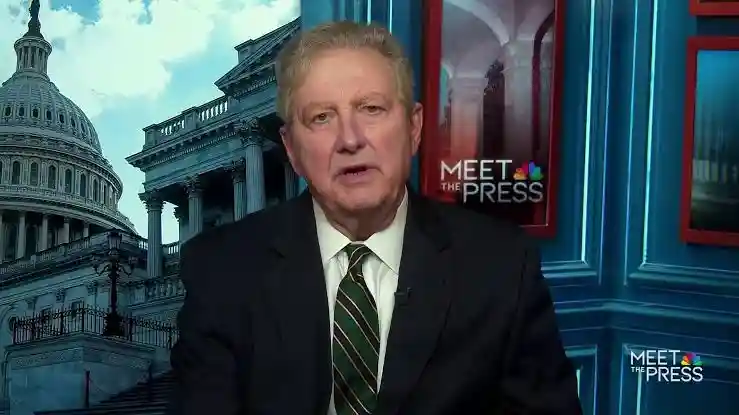
President Donald Trump’s proposed fuel arrangement with Russia is facing growing bipartisan opposition in Washington after lawmakers questioned whether the agreement could violate existing US sanctions laws and undermine efforts to pressure Moscow over its war against Ukraine. Republican Senator Thom Tillis has warned that the administration could be acting unlawfully if it proceeds with plans to allow Russian diesel into the American market, adding a new legal and political dispute to an already complicated relationship between Washington and Moscow.
The controversy intensified after Trump announced on October 9, 2026, that he had reached an agreement with Russian President Vladimir Putin involving the supply of diesel fuel to global markets. The president presented the move as an effort to address high energy prices. However, critics argue that allowing Russian fuel imports could provide Moscow with additional revenue while its war against Ukraine continues.
On October 11, a bipartisan group of senators called on the administration to reverse course. The group included Republicans Susan Collins, Lisa Murkowski, Thom Tillis and John Curtis, along with Democrats Jeanne Shaheen and Richard Blumenthal. They argued that the plan conflicts with congressional restrictions on Russian energy imports and could weaken sanctions designed to limit the Kremlin’s ability to finance its military operations.
The disagreement raises questions about presidential authority, congressional oversight, energy prices and the enforcement of US sanctions. It also highlights divisions within Trump’s own party over how the administration should approach Russia while the war in Ukraine remains unresolved.
What Is Trump’s Russia Fuel Deal?
Trump announced the proposed arrangement following a phone conversation with Putin, saying Russia would supply diesel fuel to international markets in several stages. According to reporting by the Associated Press, the president described an initial delivery of more than 300,000 tons, followed by additional supplies in November and subsequent shipments totaling several million tons.
The administration has presented the arrangement as part of an effort to increase available fuel supplies and ease pressure on energy prices. Diesel is an important fuel for freight transportation, agriculture, construction equipment and other industries, meaning sustained price increases can affect businesses and consumers throughout the economy.
However, the announcement immediately raised questions about whether Russian diesel could enter the United States despite existing restrictions. Lawmakers opposing the plan argue that the country should not ease restrictions on Russian energy while Moscow continues its military campaign against Ukraine.
The exact legal and commercial arrangements remain important to understanding the dispute. Trump’s announcement described planned fuel supplies to global markets, while critics characterized the move as allowing Russian diesel imports into the United States. The distinction matters because the implementation of the plan, including any changes to sanctions or import restrictions, will determine its practical and legal consequences.
Read the Associated Press report on the bipartisan Senate opposition.
Thom Tillis Questions Whether the Deal Is Legal
Senator Thom Tillis, a Republican from North Carolina, became one of the most prominent critics of the proposed arrangement after discussing it during an interview on NBC’s Meet the Press on October 11.
Tillis argued that there was a legitimate legal basis for questioning whether the president was following the law. His concerns center on congressional restrictions intended to prevent Russian energy sales from supporting Moscow’s war effort.
The senator emphasized that Congress had previously taken a clear position on Russia’s invasion of Ukraine. In his view, the United States should not provide financial benefits to the Russian government while Russian forces continue attacking Ukrainian territory.
Tillis’s criticism is particularly notable because it comes from within Trump’s Republican Party. Disagreement over the fuel arrangement suggests that some Republican lawmakers remain concerned about the balance between the president’s energy policy objectives and the sanctions framework established by Congress.
Tillis also indicated that his support for future administration priorities could be affected if the White House does not reconsider the proposal. That warning could become politically significant as lawmakers debate funding for military operations and other government priorities.
However, Tillis’s statements do not amount to a court ruling that the agreement is illegal. Whether the administration’s actions violate federal law would depend on the applicable statutes, the precise measures taken to implement the arrangement and any legal review that follows.
Read more in the NBC News report on Thom Tillis’s objections.
Six Senators Demand That Trump Reverse Course
The opposition expanded beyond Tillis after six senators issued a joint statement calling for the administration to abandon the proposed arrangement.
The group included four Republicans and two Democrats, demonstrating that concerns about Russian energy imports cross party lines. The senators argued that the administration had failed to consult Congress adequately or provide the explanation required under the relevant statutory framework.
Their statement focused on the financial implications of purchasing Russian energy while the war in Ukraine continues. The lawmakers argued that American policy should avoid providing Russian President Vladimir Putin with additional revenue while his government continues its military campaign.
The senators also pointed to existing congressional restrictions on Russian energy imports, which were adopted after Russia launched its full-scale invasion of Ukraine in February 2022.
Their demand for an immediate reversal places pressure on the administration to explain how the announced arrangement would operate within existing law. It also raises a broader constitutional question about the relationship between presidential foreign policy decisions and Congress’s authority to establish legal restrictions on international commerce.
Although the lawmakers share concerns about the deal, their statement does not itself determine whether the arrangement violates federal law. That question remains dependent on the legal framework and the administration’s actions.
How US Sanctions Against Russia Became Central to the Dispute
The United States introduced major restrictions on Russian energy imports after Russia launched its full-scale invasion of Ukraine in 2022. The measures were intended to reduce American purchases of Russian oil and limit the revenue available to the Russian government.
Energy exports are an important source of income for Russia. Revenue from oil and related products helps support the country’s economy and government spending, making energy restrictions one of the tools Western governments have used to pressure Moscow.
Congress’s restrictions were part of a wider international effort to impose economic consequences on Russia for the invasion. The United States and its allies have also used financial sanctions, export controls and other measures intended to restrict Russia’s access to markets, technology and funding.
The proposed diesel arrangement has therefore raised concerns that a policy designed to increase fuel supplies could undermine the broader sanctions strategy.
Lawmakers opposing the deal argue that Russia should not receive new commercial opportunities while its military operations continue. Supporters of the administration’s approach, however, may view access to energy supplies as a practical consideration in addressing high prices.
The central question is whether the administration can pursue its energy objectives without violating the restrictions established by Congress.
A New Sanctions Law Adds to the Political Tension
The controversy has emerged shortly after Congress passed additional legislation intended to increase economic pressure on Russia.
According to the Associated Press, the legislation directs the president to impose substantial tariffs on major importers of Russian oil or natural gas, subject to specified exceptions. The measures were designed to discourage purchases of Russian energy and reduce the revenue supporting Moscow’s war effort.
The timing of Trump’s fuel announcement has therefore intensified criticism from lawmakers who believe the administration should be enforcing the new restrictions rather than pursuing a policy that could appear to move in the opposite direction.
The dispute also raises questions about how the administration intends to reconcile its energy strategy with the sanctions framework.
Presidents have significant authority in foreign affairs, but that authority operates alongside laws passed by Congress. When an executive policy appears to conflict with statutory requirements, disagreements can lead to congressional oversight, legal challenges or demands for clarification.
At this stage, the senators’ objections represent a political and legal challenge rather than a final determination that the president has violated the law.
Not All Republicans Agree With the Criticism
Despite the opposition from Tillis and other Republican senators, some Republicans have defended Trump’s approach.
Senator John Barrasso, a Republican from Wyoming, argued that the president must make difficult decisions while attempting to reduce energy costs. Barrasso also described the arrangement as a potential source of leverage in negotiations with Putin.
His position reflects a different interpretation of the president’s strategy. Rather than treating the fuel arrangement solely as a weakening of sanctions, supporters may view it as a tool that could help the administration pursue economic or diplomatic objectives.
Barrasso also encouraged Trump to enforce the sanctions legislation passed by Congress, indicating that support for the president’s broader policy goals does not necessarily eliminate concerns about how sanctions should be applied.
The disagreement illustrates a wider debate within the Republican Party over Russia policy. Some lawmakers emphasize maintaining economic pressure on Moscow until it changes its conduct in Ukraine. Others place greater emphasis on presidential flexibility, energy markets and the possibility of using economic arrangements as negotiating leverage.
These competing approaches could influence future congressional debates over sanctions, foreign assistance and funding for national security priorities.
Could Russian Diesel Imports Lower US Fuel Prices?
One of the administration’s stated objectives is to ease high fuel prices, but energy experts have questioned whether the proposed Russian supplies would make a meaningful difference for American consumers.
Richard Nephew, a senior research scholar at Columbia University’s Center on Global Energy Policy, told the Associated Press that the quantities described by Trump appeared to be smaller than the amount of diesel the United States consumes in a single day.
That assessment raises questions about whether the proposed shipments would be large enough to influence prices at the pump or substantially change the broader fuel market.
Energy prices are affected by numerous factors, including global supply, demand, refinery capacity, transportation costs, geopolitical instability and expectations about future production. A shipment of fuel may provide additional supply, but its effect on retail prices depends on the scale of the shipment and conditions across the market.
Critics also argue that Russia could benefit financially from renewed access to buyers, even if the effect on American fuel prices is limited.
The administration’s economic argument and the critics’ sanctions concerns are therefore linked but distinct. Whether the arrangement lowers fuel costs is a market question, while whether it complies with federal law is a legal question.
Neither can be settled solely by the announcement of an agreement.
Ukraine and European Officials Raise Concerns
The proposal has also attracted concern beyond Washington.
Ukraine has opposed measures that could provide additional revenue to Russia while the country continues defending itself against Moscow’s invasion. Ukrainian officials have repeatedly urged the United States and other partners to maintain pressure on Russia as part of efforts to end the war.
The concern is that additional energy sales could help Russia sustain its economic and military capacity. Critics argue that commercial opportunities should not be expanded without meaningful progress toward ending the conflict.
The controversy also comes amid continued uncertainty over diplomatic efforts between Russia and Ukraine. Trump has sought to position himself as a central figure in efforts to end the war, but disagreements over territory, security and military operations have complicated negotiations.
The fuel arrangement adds another point of contention to those efforts. Supporters may view economic engagement as a way to create leverage, while critics worry that it could weaken the pressure intended to encourage Russia to change its behavior.
The effectiveness of either approach will depend on how the arrangement is implemented and whether it contributes to measurable progress toward reducing hostilities.
What Happens Next in the Legal and Political Dispute?
The immediate issue is whether the administration proceeds with the proposed fuel arrangement and how it addresses questions about existing sanctions laws.
The bipartisan senators have called for the administration to reverse course. Tillis has also publicly questioned the legality of the plan and suggested that the dispute could affect his support for future administration priorities.
The White House may face further questions from lawmakers about the legal authority for the arrangement, the details of any proposed imports and whether Congress was consulted as required.
If the administration proceeds, the controversy could lead to additional oversight or legal challenges. The precise outcome will depend on the statutory provisions involved, the administration’s implementation decisions and any subsequent action by Congress or the courts.
For now, it is important to distinguish between a lawmaker’s allegation of illegality and a formal legal determination. Tillis has raised a serious question about compliance with federal law, but the public debate does not itself establish that a violation has occurred.
Final Thoughts: Trump’s Russia Fuel Deal Faces a Growing Test
The controversy surrounding Trump’s proposed Russian diesel arrangement has created a significant challenge for the administration, bringing together energy policy, sanctions enforcement and the ongoing war in Ukraine.
Thom Tillis and five other senators have urged the president to reconsider the plan, arguing that allowing Russian energy imports could conflict with congressional restrictions and provide financial support to Moscow. Other Republicans have defended the president’s attempt to address fuel prices and use economic decisions as leverage in negotiations.
The debate raises an important question about the limits of presidential discretion when Congress has established restrictions on trade and energy imports. It also highlights the challenge of balancing domestic economic concerns with foreign policy objectives.
The final implications will depend on what the administration does next, how the relevant laws apply and whether lawmakers pursue additional oversight. Until those questions are resolved, the proposed deal remains the subject of a significant political and legal dispute rather than a settled case of unlawful conduct.
For readers following US politics and international affairs, the story offers a clear example of how decisions involving fuel supplies can quickly become questions of national security, congressional authority and America’s approach to Russia’s war against Ukraine.
Sources and References
NBC News, “Thom Tillis Says Trump’s Russia Deal May Break Law, Put American Lives at Risk.” Read the NBC News report
Associated Press, “Six Senators Call for Trump Administration to Immediately Reverse Course on Russian Diesel Plan.” Read the AP report
Reuters, “US Republicans, Democrats Want Trump to Reverse Course on Russia Diesel.” Read the Reuters report
Al Jazeera, “Republican Senator Says Trump’s Diesel Agreement With Russia May Be Illegal.” Read the Al Jazeera report
Associated Press, “Trump Says Russia and Ukraine Agree to an Energy Ceasefire but Kyiv Says Attacks Continue.” Read the AP report
 Jenn Sass