
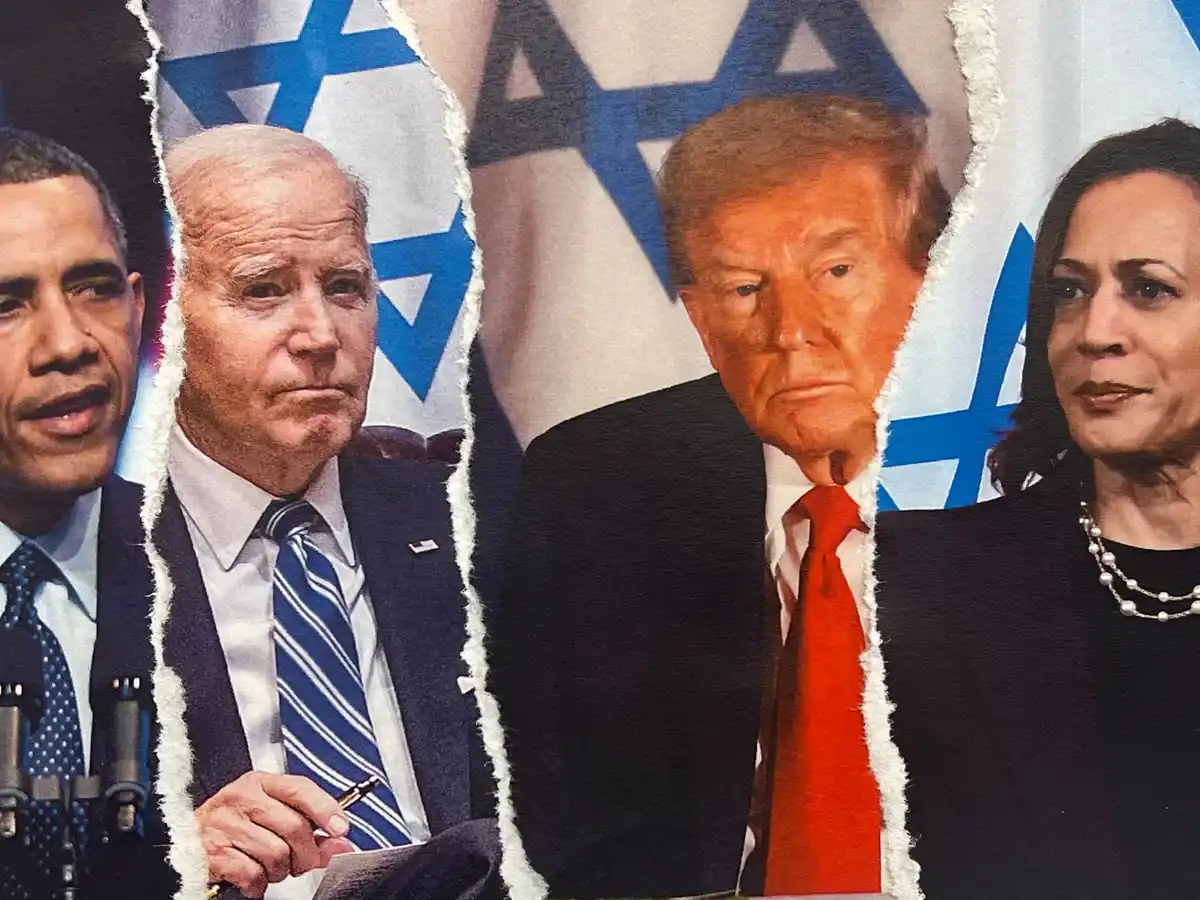
Global politics in 2026 is being shaped by four major elections in Brazil, Serbia, Israel, and the United States. These contests are bringing renewed attention to democratic institutions, political accountability, international alliances, and the growing public debate over how governments exercise power.
The political landscape is already changing. Brazil’s President Luiz Inácio Lula da Silva won reelection on October 25, defeating Flávio Bolsonaro in a closely contested presidential runoff. In Serbia, President Aleksandar Vučić conceded defeat to a student-led political movement following parliamentary elections, although official results were still being finalized when the concession was reported. Israel’s parliamentary election is scheduled for October 27, while the United States will hold its midterm elections on November 3.
Why do these elections matter beyond their borders? Each country plays a different role in international affairs, from Brazil’s influence on climate policy to Serbia’s relationships with Europe and Russia, Israel’s position in Middle Eastern security, and America’s global economic and military reach.
As political leaders face voters, these elections raise questions about the future of democracy, the strength of public institutions, and the limits of executive authority. The outcomes will not determine the future of every country, but they provide an important snapshot of the competing forces shaping global politics in 2026.
Why Global Politics in 2026 Is Focused on These Four Elections
Elections are often treated as domestic events, but their effects can extend far beyond national borders. A change in government may influence international trade, military cooperation, environmental agreements, diplomatic negotiations, and relationships with neighboring countries.
The four elections examined in The Guardian’s analysis, “Ten Days That Could Shake the World: Democratic Norms at Stake in Four Pivotal Elections”, share a broader theme: the relationship between political leadership and democratic institutions.
However, the countries have different electoral systems and political circumstances. Brazil uses a presidential system, Serbia elects a national parliament, Israel’s voters choose representatives to the Knesset, and Americans elect members of Congress in midterm elections.
The issues also vary. Brazilian voters have been debating economic conditions, public security, environmental protection, and political polarization. In Serbia, public protests against perceived corruption helped propel a student-led movement into electoral politics. Israel’s election is unfolding amid intense debate over national security, judicial reform, and the government’s record. In the United States, voters are weighing domestic policy and the performance of President Donald Trump’s administration.
These differences matter because there is no single explanation for political change around the world. International alliances and shared political ideologies can influence the debate, but local circumstances, national institutions, and voters’ individual concerns remain central.
Brazil Election 2026: Lula Defeats Flávio Bolsonaro
Brazil’s presidential runoff has already delivered a major result in global politics. President Luiz Inácio Lula da Silva won reelection on October 25, defeating senator Flávio Bolsonaro and securing another nonconsecutive presidential term.
According to the reported results, Lula received approximately 51.8% of the vote, compared with about 48.2% for Bolsonaro. The narrow margin reflects the continued division within Brazilian society over the country’s political direction.
Flávio Bolsonaro’s campaign was closely associated with the political movement of his father, former president Jair Bolsonaro. The elder Bolsonaro was sentenced to 27 years in prison over a plot to overturn the 2022 election result. During the campaign, Flávio Bolsonaro discussed a possible pardon for his father and constitutional changes, drawing criticism from opponents concerned about the independence of democratic institutions.
Lula’s victory means that Brazil’s presidency will remain under left-wing leadership. Yet the outcome does not eliminate the opposition’s influence or guarantee that the administration will find governing easy. Brazil’s political divisions, legislative dynamics, and economic pressures will continue to shape policy decisions.
Brazil’s role in international climate policy is another reason this election matters. The country contains much of the Amazon rainforest, which is essential to biodiversity and plays an important role in global climate systems. Decisions involving deforestation, environmental enforcement, agriculture, and Indigenous communities can influence international conservation efforts.
Lula’s next term will be judged by more than campaign promises. The important questions include how his administration manages public finances, addresses living costs, works with Congress, and delivers on environmental commitments.
The result also demonstrates why political analysis must distinguish forecasts from confirmed outcomes. Despite a competitive race and a strong showing by Bolsonaro in the first round, Lula secured the runoff victory. Brazil’s next political chapter will depend on how the administration responds to the challenges ahead.
Source: Associated Press, “Lula Is Declared Winner of Brazil’s Election as Bolsonaro Rejects Results.”
Serbia Election 2026: Student-Led Movement Challenges Vučić
Serbia’s parliamentary election has produced another major development. President Aleksandar Vučić conceded defeat to a student-led political movement known as the Student List, according to Reuters reporting published on October 26. At the time of the report, official results had not yet been finalized, and the seat projections cited by Vučić were preliminary.
The movement emerged from nearly two years of student-led protests following the deadly collapse of a railway station canopy in Novi Sad in November 2024. Sixteen people died in the disaster, which became a focus of public anger and demands for accountability.
The protests expanded into a broader challenge to the political establishment, with demonstrators raising concerns about perceived corruption, government transparency, and the functioning of public institutions. The Student List’s electoral success suggests that a movement built around public protest can become a serious political force.
Vučić and his political allies have played a dominant role in Serbia’s national politics for years. Critics have questioned media independence and the fairness of political competition, while the government and its supporters have defended their record and policies. The election marks a significant change in the political landscape, but the implications will depend on the final results and the process of forming a government.
Serbia’s international relationships make the outcome important beyond its borders. The country maintains ties with the European Union, Russia, China, and other partners. A change in parliamentary control could influence discussions about European integration, regional cooperation, and foreign policy.
However, electoral victory and effective governance are different challenges. The student-led movement will need to develop policies, manage parliamentary responsibilities, and address public expectations. Its approach to the economy, the judiciary, public institutions, and international relationships will become clearer as the political transition unfolds.
For global politics in 2026, Serbia’s election illustrates how sustained civic mobilization can challenge established leadership. It also demonstrates that the most consequential part of an election may begin after the votes have been counted.
Source: Reuters, “Serbia’s Vučić Concedes Defeat to Student-Led Movement in Parliamentary Election.”
Israel Election 2026: Netanyahu Faces a Parliamentary Test
Israel’s parliamentary election, scheduled for October 27, is another important event in the international political calendar. Prime Minister Benjamin Netanyahu and the parties associated with his government face voters amid debates about national security, the war in Gaza, judicial reform, and political accountability.
Netanyahu has been a central figure in Israeli politics for decades. Supporters often emphasize his experience and approach to security, while critics have challenged his leadership over government policy, the war in Gaza, and his ongoing corruption trial.
The election is particularly significant because Israel operates under a parliamentary system. Voters elect members of the Knesset, which has 120 seats, and a governing coalition generally needs the support of at least 61 lawmakers. The party winning the most seats does not necessarily govern alone; coalition negotiations can determine who becomes prime minister and which policies receive priority.
That means the outcome cannot be understood solely by looking at individual party results. Smaller parties may play an important role in government formation, and negotiations may require compromises on security, economic policy, religion, judicial reform, or relations with Palestinians.
The election also has implications for Israel’s international partnerships, especially its close relationship with the United States. Changes in the governing coalition could influence diplomatic priorities and the direction of regional policy, although the extent of any change will depend on the eventual government’s decisions.
For Israeli voters, the issues are immediate: security, economic stability, public services, the justice system, and the country’s future direction. International observers will be watching the election for clues about how Israel’s next government approaches these challenges.
The final outcome and coalition agreements will be more revealing than campaign rhetoric alone. They will help show whether the next government maintains existing priorities or adopts a different approach to the country’s most contentious issues.
Source: Library of Congress, “FALQs: Israel’s Upcoming Election on October 27, 2026.”
US Midterm Elections 2026: Why Congress Matters
The United States will hold its midterm elections on November 3, 2026. Americans will elect all 435 voting members of the House of Representatives and 35 senators, along with numerous state and local officials.
Unlike a presidential election, the US midterms do not determine who occupies the White House. Instead, they determine the balance of power in Congress during the second half of President Donald Trump’s term.
Congress has significant authority over legislation, federal spending, government oversight, and other constitutional responsibilities. If the president’s party loses control of one or both chambers, the administration may face additional obstacles to passing its legislative agenda. An opposition-controlled chamber can also conduct investigations and scrutinize executive-branch decisions.
The election campaign is unfolding amid concerns about the cost of living, inflation, housing, healthcare, employment, immigration, and the government’s policy direction. These everyday issues can influence voter decisions alongside broader debates about democratic institutions, executive authority, and America’s international role.
The outcome may affect policy discussions involving trade, defense, immigration, government spending, and foreign aid. Nevertheless, congressional control does not automatically determine every presidential decision. The president retains constitutional powers, and any legislative changes must follow the required procedures.
The international stakes are substantial because the United States maintains extensive economic, diplomatic, and security relationships around the world. Changes in Congress can affect how the administration pursues its priorities and how lawmakers scrutinize those policies.
The central question is therefore not simply which party wins the most seats. It is how the new Congress exercises its powers and how its relationship with the White House shapes decisions affecting Americans and international partners.
How These Elections Could Influence International Alliances
One reason these elections have attracted international attention is that political leaders often maintain relationships with counterparts who share ideological priorities or strategic interests. These relationships may involve public endorsements, diplomatic cooperation, trade agreements, defense partnerships, and shared positions on immigration or national sovereignty.
The Guardian’s analysis discusses political connections involving the MAGA movement in the United States and figures such as Flávio Bolsonaro, Vučić, and Netanyahu. These connections are part of the broader story of how political ideas and alliances cross borders.
However, a political association does not automatically establish that one leader controls another or that an international partnership proves misconduct. Each claim must be evaluated through documented actions, policies, agreements, and public statements.
Brazil’s election has returned Lula to the presidency despite the strong showing of Bolsonaro’s movement. Serbia’s reported result has challenged an established political order. Israel’s coalition negotiations will determine the composition of its next government, while the US midterms will reshape the balance of power in Congress.
Each outcome could affect international discussions, but the consequences will depend on what governments actually do. Elections may alter the political environment, yet foreign policy is also shaped by economic conditions, security concerns, existing agreements, and domestic institutions.
Understanding these connections provides a more useful picture of global politics than assuming every country is following the same political path.
What These Elections Mean for Democracy and Political Accountability
Democracy involves more than casting a ballot. It also depends on fair electoral processes, independent institutions, lawful transfers of power, public accountability, and the ability of opposition groups and journalists to scrutinize government decisions.
The four elections highlight different aspects of those principles. Brazil’s result shows that a closely contested presidential race can produce a clear winner despite deep political divisions. Serbia’s reported outcome demonstrates the potential influence of sustained civic mobilization. Israel’s election will test how parties negotiate power within a parliamentary system. The US midterms will determine how Congress exercises its constitutional responsibilities alongside the president.
The elections do not, by themselves, prove that democracy is strengthening or weakening in every country. A more meaningful assessment requires examining the conduct of elections, the independence of courts and other institutions, the protection of civil liberties, and the actions of elected leaders after taking office.
Public accountability also extends beyond election day. Voters may expect governments to investigate wrongdoing, improve public services, respond to economic pressures, and fulfill campaign commitments. Political parties must demonstrate that they can govern effectively while respecting legal and institutional limits.
These standards are important regardless of a leader’s political ideology. Applying them consistently helps distinguish evidence-based political reporting from partisan commentary or speculation.
What Happens Next in Global Politics 2026?
The next stage will be determined by how political leaders and institutions respond to the election outcomes.
In Brazil, attention will turn to Lula’s economic plans, environmental policies, and ability to work with a divided legislature. In Serbia, the final results and government-formation process will help determine how the Student List’s reported victory translates into political authority.
In Israel, the distribution of parliamentary seats and coalition negotiations will shape the next government’s priorities. In the United States, the November 3 midterms will establish the composition of Congress and influence the administration’s ability to pass legislation.
Across all four countries, several developments deserve attention: whether election results are finalized through lawful procedures, whether political transitions proceed peacefully, whether elected officials face meaningful oversight, and whether public institutions continue to operate independently.
The long-term effects will not be immediately clear. Campaign promises may change as governments confront budget constraints, political opposition, international pressures, and unexpected events. For that reason, responsible analysis should avoid declaring a political victory or defeat to be proof of a broader trend before the evidence is available.
What is clear is that these elections have brought questions of leadership, accountability, and institutional power to the forefront of international debate.
Frequently Asked Questions About Global Politics in 2026
Why are the Brazil, Serbia, Israel, and US elections important?
These elections matter because they influence leadership, legislative power, public policy, and international relationships. Brazil’s presidential result affects the direction of Latin America’s largest economy, Serbia’s parliamentary outcome challenges an established political order, Israel’s election will shape its next government, and the US midterms will determine the balance of power in Congress.
Who won Brazil’s 2026 presidential election?
Luiz Inácio Lula da Silva won reelection on October 25, 2026, defeating Flávio Bolsonaro in the presidential runoff. Lula received approximately 51.8% of the vote, according to reported results.
What happened in Serbia’s 2026 parliamentary election?
Aleksandar Vučić conceded defeat to the student-led Student List movement, based on preliminary results. The final election figures and government-formation process remain important to determining the next steps.
When is Israel’s 2026 election?
Israel’s parliamentary election is scheduled for October 27, 2026. Voters are electing members of the 120-seat Knesset, and the outcome will influence which parties can form a governing coalition.
When are the US midterm elections in 2026?
The US midterm elections are scheduled for November 3, 2026. Voters will elect all 435 voting members of the House of Representatives and 35 senators, determining the balance of power in Congress.
How can elections affect global politics?
Elections can change a country’s approach to trade, defense, climate policy, diplomacy, and international cooperation. Their effects depend on the winning candidates’ policies, the powers of their institutions, and the decisions made after the election.
Conclusion: The Global Power Play Is About More Than Winning
The elections in Brazil, Serbia, Israel, and the United States reveal how national political choices can influence international debates about leadership, democracy, and accountability.
Brazil has reelected Lula, Serbia has seen Vučić concede defeat based on preliminary results, Israel is preparing to choose its next parliament, and the United States is approaching a consequential congressional election.
Their circumstances are different, but the wider questions are connected: how should political power be exercised, what safeguards prevent abuses, and how can citizens hold elected leaders accountable?
For anyone following global politics in 2026, the most important developments will come after election day. Results establish who gains political authority, but governing decisions determine how that authority affects public life and international relationships.
The global power play is not simply about which political movement wins. It is about what leaders do with power, how institutions respond, and whether governments remain accountable to the people they represent.
Sources and References
- The Guardian, “Ten Days That Could Shake the World: Democratic Norms at Stake in Four Pivotal Elections.”
- Associated Press, “Lula Is Declared Winner of Brazil’s Election as Bolsonaro Rejects Results.”
- Reuters, “Serbia’s Vučić Concedes Defeat to Student-Led Movement in Parliamentary Election.”
- Library of Congress, “FALQs: Israel’s Upcoming Election on October 27, 2026.”
- European Parliamentary Research Service, “Understanding the 2026 United States Midterm Elections: Contested Seats, Voter Concerns and Possible Changes in Congress.”