
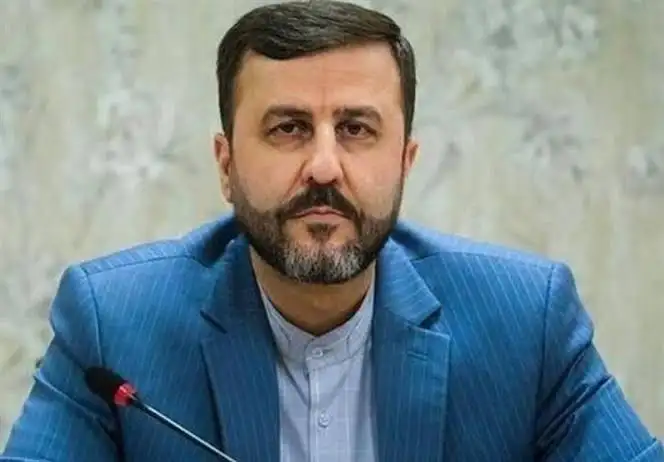
A Significant Development in US–Iran Relations
In a development that has captured the attention of governments, analysts, and international observers worldwide, Iranian Deputy Foreign Minister Kazem Gharibabadi has confirmed that a memorandum of understanding (MoU) between Iran and the United States has been finalized. The announcement marks a potentially historic moment in one of the world’s most complex and closely watched diplomatic relationships.
The reported finalization of the agreement comes after years of tension, diplomatic deadlock, sanctions disputes, and concerns surrounding regional security. While the full details of the memorandum have not yet been publicly released, the confirmation itself has generated widespread discussion about what this development could mean for the future of relations between Tehran and Washington.
For decades, the relationship between Iran and the United States has been characterized by mistrust, political disagreements, economic sanctions, and periodic moments of heightened military tension. As a result, any indication of diplomatic progress attracts global attention and raises questions about whether a new chapter in bilateral relations could be emerging.
The reported memorandum of understanding represents more than a simple diplomatic document. It may serve as a framework for future negotiations, confidence-building measures, and efforts to reduce tensions that have affected not only the two countries involved but also the broader Middle East region and international community.
Understanding the Importance of a Memorandum of Understanding
A memorandum of understanding is commonly used in international diplomacy as a formal agreement that outlines mutual intentions, areas of cooperation, and future commitments between parties. While an MoU is not always legally binding in the same way as a treaty, it often serves as a foundation for more detailed negotiations and formal agreements.
In the context of US–Iran relations, the significance of an MoU cannot be overstated. Relations between the two countries have experienced numerous setbacks over the past several decades, making any structured agreement noteworthy.
The purpose of such a document is often to establish a framework for dialogue, clarify expectations, and reduce misunderstandings that could lead to conflict. In situations where direct diplomatic relations have been strained, an MoU can provide a roadmap for rebuilding communication channels and fostering cooperation on issues of mutual concern.
Observers note that the finalization of the memorandum may indicate that both sides have identified common interests that outweigh the benefits of continued confrontation.
Historical Background of US–Iran Tensions
To appreciate the importance of this diplomatic development, it is necessary to understand the history that has shaped US–Iran relations.
The relationship changed dramatically following the Iranian Revolution of 1979. Since that time, diplomatic ties have remained limited, and both countries have frequently found themselves on opposite sides of regional and international disputes.
Throughout the decades, disagreements have centered on issues such as Iran’s nuclear program, economic sanctions, regional influence, military activities, and broader security concerns. These disputes have periodically escalated into major international crises that affected global energy markets, international trade, and regional stability.
Numerous attempts at diplomatic engagement have taken place over the years. Some achieved temporary success, while others collapsed under political pressure or changing geopolitical circumstances. As a result, many analysts have viewed meaningful diplomatic progress as difficult but not impossible.
The confirmation that an MoU has been finalized suggests that both governments may be seeking a more structured path toward managing disagreements and preventing future escalation.
Why This Agreement Matters Now
The timing of this development is particularly significant. The Middle East continues to face a variety of security challenges, including ongoing regional conflicts, economic uncertainty, and shifting geopolitical alliances.
Many governments have increasingly emphasized the importance of diplomatic engagement as a means of preventing broader instability. The possibility of improved communication between Iran and the United States could contribute to efforts aimed at reducing tensions throughout the region.
Economic considerations may also be influencing diplomatic calculations. Global markets are highly sensitive to developments involving Iran and the United States, particularly because of the region’s importance to global energy supplies.
Periods of heightened tension have historically led to concerns about disruptions in oil markets, trade routes, and investment confidence. Conversely, signs of diplomatic progress often contribute to greater market stability and improved investor sentiment.
For both countries, the pursuit of dialogue may reflect a recognition that diplomacy can produce outcomes that military or economic pressure alone cannot achieve.
Regional Implications of the MoU
The finalization of the memorandum could have significant implications for countries throughout the Middle East.
Many regional governments have closely monitored relations between Iran and the United States because those relations often influence broader security dynamics. When tensions rise between the two countries, neighboring states frequently face increased uncertainty regarding regional stability.
A diplomatic framework that promotes communication and conflict prevention could help reduce concerns about escalation. It may also create opportunities for broader discussions involving regional security, economic cooperation, and conflict resolution.
Some analysts believe that improved US–Iran relations could contribute to a more predictable geopolitical environment. Others caution that substantial challenges remain and that meaningful progress will require sustained commitment from all parties involved.
Regardless of the outcome, the announcement has already become a major topic of discussion among policymakers and regional leaders.
Potential Economic Consequences
Economic considerations are likely to play an important role in future discussions surrounding the memorandum.
For years, sanctions and trade restrictions have significantly influenced Iran’s economy. These measures have affected various sectors, including energy exports, financial services, and international commerce.
Any diplomatic progress that leads to improved economic engagement could have substantial implications for both Iran and international markets. Businesses, investors, and financial institutions are closely watching developments to assess potential opportunities and risks.
Improved diplomatic relations could encourage greater economic cooperation, increased trade activity, and enhanced market confidence. However, experts emphasize that major economic changes typically require additional negotiations and policy adjustments beyond the scope of an initial memorandum.
Even so, the finalization of the MoU may be viewed as a positive signal that creates momentum for future economic discussions.
Challenges That Still Remain
Despite the optimism surrounding the announcement, significant challenges remain.
Diplomatic agreements often face obstacles during implementation. Differences in political priorities, domestic pressures, and regional developments can complicate efforts to translate agreements into lasting progress.
Trust remains one of the most important issues in US–Iran relations. Decades of tension have created deep skepticism on both sides, making confidence-building measures essential for future success.
Additionally, numerous complex issues continue to require negotiation. These include security concerns, economic restrictions, regional conflicts, and broader strategic interests.
Experts caution that while the finalization of an MoU is an important step, it should be viewed as the beginning of a process rather than a final resolution of long-standing disagreements.
The effectiveness of the agreement will ultimately depend on the willingness of both parties to continue engaging in constructive dialogue and practical cooperation.
International Reactions
Governments around the world are likely to monitor the situation closely as additional details emerge.
Many international organizations and allied nations have consistently encouraged diplomatic solutions to disputes involving Iran and the United States. As a result, news of the finalized memorandum has generated considerable interest among foreign policy observers.
Supporters of diplomacy argue that dialogue remains the most effective method for addressing complex international challenges. They view the MoU as a potentially positive development that could contribute to regional stability and reduce the risk of future conflict.
At the same time, some observers remain cautious, emphasizing the importance of transparency and implementation. They note that long-term success will depend on concrete actions rather than announcements alone.
What Happens Next?
The next phase will likely involve further discussions regarding the implementation of the memorandum and the specific commitments contained within it.
Diplomatic teams from both countries may engage in follow-up negotiations aimed at translating broad principles into practical outcomes. Additional meetings, technical discussions, and confidence-building measures could follow.
Observers will also be watching for official statements, timelines, and policy actions that provide greater clarity regarding the agreement’s objectives.
If progress continues, the memorandum could serve as the foundation for more comprehensive agreements addressing a wider range of issues. If challenges arise, however, the process may face delays or require further negotiation.
Regardless of the path forward, the finalization of the MoU represents a noteworthy moment in international diplomacy.
Conclusion
The confirmation by Iranian Deputy Foreign Minister Kazem Gharibabadi that an Iran–US memorandum of understanding has been finalized marks an important development in global politics. After decades of tension, sanctions, and diplomatic challenges, the announcement offers a potential pathway toward greater dialogue and reduced confrontation.
While significant questions remain regarding implementation and long-term outcomes, the agreement has already sparked widespread discussion about the future of US–Iran relations and its broader implications for regional stability.
As policymakers, businesses, and international observers continue to monitor developments, one thing is clear: the finalized memorandum has become a major geopolitical story with the potential to influence diplomacy, economics, and security far beyond the borders of Iran and the United States.
References
Press TV – Iran Deputy FM Says MoU with US Finalized
Tasnim News Agency – Deputy FM Confirms Finalization of Iran-US MoU
Reuters – Middle East and International Relations Coverage
BBC News – Iran and US Diplomacy Coverage
Al Jazeera – US-Iran Relations Analysis