
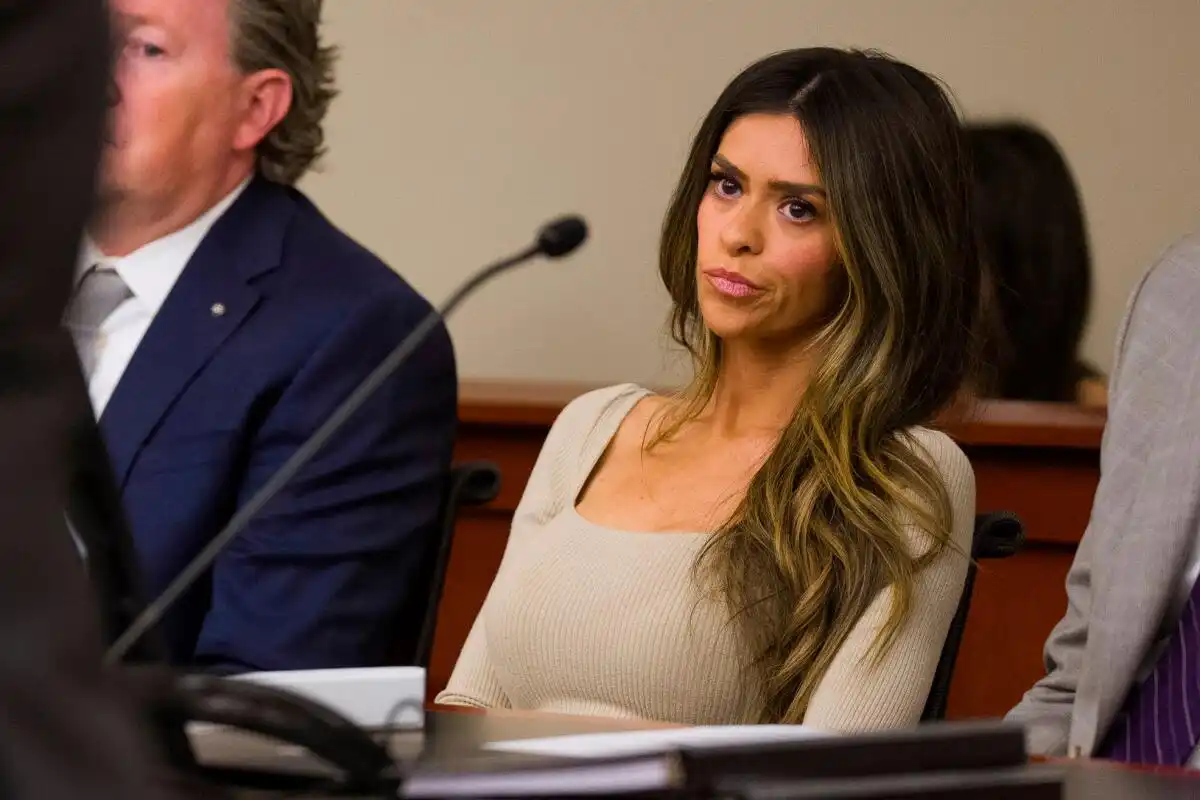
The rise of influencer-driven entertainment has reshaped reality television, and few names illustrate this shift better than Taylor Frankie Paul. Her ongoing public story—marked by relationship turbulence, online visibility, and legal attention—has become a focal point in discussions about how reality TV increasingly depends on influencer culture to drive engagement, ratings, and controversy.
What used to be a genre built around competition or lifestyle experiments has evolved into something far more personal: a system that thrives on real-time social media drama. And in that space, influencers like Taylor Frankie Paul are becoming central figures.
The New Reality TV Formula: Influencers First, Storyline Second
Reality television has changed significantly over the past decade. Instead of discovering unknown personalities, production companies now actively recruit individuals who already have built-in audiences.
This shift explains why influencers dominate modern casting decisions. Shows are no longer just about creating drama—they are about amplifying existing online narratives.
Taylor Frankie Paul represents this evolution. Her online presence, personal storytelling, and public visibility make her exactly the kind of figure reality TV thrives on.
Key reasons influencers are prioritized today:
- Built-in audience engagement
- Pre-existing personal narratives
- Social media virality potential
- Higher marketing value for networks
In short, influencers are not just participants—they are content ecosystems.
Taylor Frankie Paul and the Visibility Effect
One of the most important aspects of Taylor Frankie Paul’s public presence is what can be described as the visibility effect.
When influencers live their lives online, their personal moments become part of public consumption. This includes:
- Relationships
- Family dynamics
- Emotional conflicts
- Legal or personal disputes
In traditional celebrity culture, these details were often hidden or controlled through media gatekeepers. Today, they are often shared, discussed, and amplified in real time.
This creates a feedback loop:
- Personal life is shared online
- Audience reacts and engages
- Media and reality TV take notice
- Story becomes larger than original context
Reality TV’s Dependence on “Authentic Chaos”
Modern reality TV is no longer just about scripted scenarios or structured competition. Instead, it often depends on what producers see as “authentic chaos”—real emotional situations that unfold unpredictably.
Influencers like Taylor Frankie Paul become central to this system because:
- Their lives are already public
- Their audiences are emotionally invested
- Their content generates discussion and controversy
This makes their stories highly attractive for reality programming, where engagement is the ultimate goal.
However, this also raises ethical questions about how personal struggles are packaged as entertainment.
The Blurring Line Between Real Life and Entertainment
One of the biggest cultural shifts caused by influencer-driven reality TV is the erosion of boundaries between private life and entertainment.
In traditional media:
- Celebrities controlled their public image through press releases and interviews
In modern influencer culture:
- Personal lives are continuously documented
- Audiences react in real time
- Content is shaped by public engagement
This means individuals like Taylor Frankie Paul exist in a space where:
- Personal conflict becomes public content
- Emotional moments become viral clips
- Real-life issues are consumed as entertainment
Why Audiences Are Drawn to Influencer Drama
The popularity of influencer-driven reality content is not accidental. It is driven by psychological and cultural factors.
1. Relatability
Audiences feel closer to influencers than traditional celebrities because their lives appear more accessible.
2. Emotional storytelling
Real-life relationships and conflicts feel more intense than scripted drama.
3. Constant updates
Social media ensures that stories evolve continuously, keeping audiences engaged.
4. Community discussion
Online platforms allow viewers to analyze, debate, and react in real time.
This combination creates a powerful entertainment loop that reality TV actively leverages.
The Cost of Public Exposure
While influencer visibility drives entertainment value, it also comes with consequences.
Public figures like Taylor Frankie Paul often face:
- Increased scrutiny of personal relationships
- Online speculation and misinformation
- Pressure to maintain public narratives
- Emotional and reputational challenges
When personal struggles become public content, the line between support and consumption can become blurred.
Reality TV and the “Algorithm Effect”
Another important factor is the influence of digital algorithms on entertainment trends.
Platforms like TikTok, YouTube, and Instagram:
- Amplify emotionally charged content
- Reward controversial or dramatic narratives
- Push influencer stories into mainstream visibility
Reality TV producers now monitor these trends closely. If a story performs well online, it is more likely to be adapted into television content.
This is part of why influencer-driven narratives dominate modern entertainment.
Taylor Frankie Paul as a Case Study in Modern Fame
Taylor Frankie Paul’s situation highlights several key aspects of modern fame:
- Fame is no longer limited to traditional celebrities
- Personal life can become a public brand
- Online narratives influence real-world opportunities
- Reality TV and social media are now interconnected systems
Her story is not unique—it reflects a broader shift in how entertainment is created and consumed.
The Bigger Picture: What This Means for Reality TV
The rise of influencer-driven storytelling suggests that reality TV is no longer just a genre—it is becoming a reflection of internet culture itself.
This shift means:
- Casting is influenced by online engagement
- Storylines are shaped by social media reactions
- Audiences participate in narrative development
- Personal lives become entertainment assets
Taylor Frankie Paul is one example of this transformation, but the trend extends far beyond a single individual.
Final Thoughts
The Taylor Frankie Paul saga highlights a major evolution in entertainment culture: the merging of influencer visibility and reality television storytelling. What was once private is now public, and what was once entertainment is now deeply intertwined with real life.
As reality TV continues to rely on influencer-driven narratives, the industry faces a growing challenge—balancing audience demand for authentic drama with the ethical responsibility of portraying real people and real emotions.
In this new landscape, influencers are no longer just participants in media—they are the media itself.
Sources / References
- Variety – Reality TV and the rise of influencer-driven casting trends
- BBC Culture – How social media changed modern celebrity culture
- The New York Times – The blending of reality TV and social media storytelling
- Rolling Stone – Influencers and the future of unscripted television
 Jenn Sass