
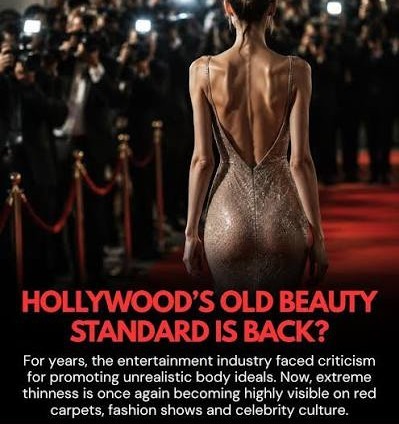
Hollywood has many traditions: glamorous premieres, expensive designer gowns, carefully rehearsed interviews, and celebrities insisting that their latest project is the most personal thing they have ever done. But nothing brings the entertainment world together quite like a red-carpet outfit that somebody on the internet decides is a crime against fashion.
Within minutes of a celebrity stepping in front of the cameras, the verdicts begin.
The dress is iconic. The suit is confusing. The shoes are a cry for help. The accessories are doing too much. Someone’s stylist deserves a raise, while somebody else’s stylist apparently needs to surrender their professional credentials.
Welcome to Hollywood’s fashion jury, where the prosecution has already prepared a slideshow, the defense is posting screenshots from three years ago, and the judge is an anonymous account with a profile picture of a cartoon frog.
Nobody asked for this courtroom. Nobody appointed the jury. And yet, somehow, every celebrity appearance becomes a public trial.
The funniest part? Most of the people delivering these passionate fashion verdicts are doing so while wearing pajamas, eating snacks, and refusing to turn on their own camera.
The Red Carpet Is No Longer Just a Red Carpet
There was a time when a red carpet was primarily a place for celebrities to promote films, celebrate achievements, and show off designer clothing. Photographers captured the looks, entertainment reporters asked questions, and fashion magazines published their assessments afterward.
Now, the red carpet is practically a live-streamed social experiment.
Every outfit arrives with several potential storylines. Will the celebrity receive praise? Will the look divide fashion fans? Will someone create a meme before the event’s next guest reaches the photography wall?
The clothing itself is only the beginning.
A celebrity can wear an extraordinary custom-made outfit, spend hours preparing with a team of professionals, and still become the subject of a viral debate because one person on social media decided the silhouette resembles a decorative curtain.
Another celebrity might arrive in a relatively simple black dress and receive thousands of compliments for understanding the assignment.
Meanwhile, someone wearing an elaborate architectural creation that required an entire design team to construct is being compared to a lampshade.
Fashion is subjective, of course. But Hollywood commentary has turned subjectivity into a competitive sport.
The objective is no longer simply to decide whether an outfit looks good. It is to deliver the funniest, sharpest, most dramatic verdict before everybody else does.
And if your opinion cannot be expressed in a meme, a reaction video, or a caption beginning with “I’m sorry, but,” did you even participate?
Everyone Is a Fashion Expert Now
The internet has created an extraordinary situation: everyone has access to the same celebrity photographs, and everyone believes their interpretation deserves a seat at the fashion council.
Professional stylists may spend years learning about construction, proportion, fabric, color theory, and the history of fashion. Designers may experiment with a garment for months before presenting it publicly.
Online critics, meanwhile, can inspect a single photograph for approximately four seconds before announcing that the entire fashion industry has lost its way.
And honestly? Sometimes the commentary is hilarious.
The problem is not that people have opinions. Fashion has always invited criticism, disagreement, and personal interpretation. The problem is the confidence with which those opinions are sometimes delivered.
One person dislikes a dress and declares it objectively terrible. Another loves it and accuses everyone who disagrees of lacking taste. A third explains that the outfit is actually a brilliant artistic statement, which somehow turns a discussion about fabric into a graduate seminar.
By the end of the evening, a celebrity’s hemline has become a referendum on culture, creativity, wealth, personal identity, and the collapse of civilization.
All because someone wore an unusual jacket.
The fashion jury rarely considers the possibility that an outfit can be interesting without being universally attractive. It also struggles with the revolutionary idea that a person can dislike a look without needing to explain why it threatens the future of humanity.
Sometimes a dress is simply not your taste.
Sometimes a celebrity is experimenting.
And sometimes the stylist really did look at the finished outfit and say, “Perfect,” which is a separate matter entirely.
The Fashion Verdict Depends on Who Is Wearing It
One of the most entertaining contradictions in celebrity fashion commentary is that the same outfit can receive completely different reactions depending on the person wearing it.
Put a dramatic, unconventional look on a celebrity known for experimental fashion, and critics may call it fearless.
Put a similar look on someone with a more conventional public image, and suddenly the comments section is asking whether the stylist has a personal grudge.
A minimalist outfit can be praised as sophisticated on one celebrity and criticized as boring on another. A daring silhouette might be celebrated as fashion-forward when worn by an established trendsetter but dismissed as an attention-seeking stunt when someone less familiar attempts it.
This is where celebrity fashion becomes less about clothing and more about reputation.
Audiences bring expectations to the red carpet. They already have ideas about who is stylish, who is unpredictable, who is trying too hard, and who can apparently wear a paper bag and convince the world it is couture.
Those expectations influence how an outfit is interpreted.
Once a celebrity has earned a reputation for excellent fashion choices, viewers may be more willing to see the artistic intention behind an unusual look. Someone with a history of controversial appearances may face harsher criticism before the audience even considers the details.
The garment has not changed. The public narrative has.
Hollywood’s fashion jury claims to judge everyone equally, but its members arrive with favorites, grudges, and an alarming number of prewritten opinions.
Neutrality is apparently available only as a limited-edition accessory.
The Celebrity Reaction Is Now Part of the Outfit
Fashion commentary does not stop at the clothes. In the modern red-carpet environment, a celebrity’s facial expression can become almost as important as the designer label.
A smile becomes evidence of confidence. A serious expression becomes evidence of arrogance. Looking away from a camera becomes a mysterious personal statement. Looking directly into the camera becomes an attempt to dominate the conversation.
Celebrities cannot win every round.
If they smile continuously, somebody may call them performative. If they look tired, somebody may suggest they are unhappy to be there. If they appear uncomfortable, the internet may decide that the outfit is uncomfortable, the event is uncomfortable, and possibly the entire celebrity’s career is uncomfortable.
The camera captures a moment, and the internet supplies a personality assessment.
This creates an absurd expectation that celebrities must not only look perfect but also react perfectly to being photographed from dozens of angles while navigating a crowded event.
Imagine trying to maintain an expression of effortless elegance while a photographer shouts your name, another asks you to turn, someone else requests a different pose, and a stranger on the internet is already preparing a video titled “What This Look Says About Her Entire Life.”
At some point, even the most composed celebrity is going to blink strangely.
That blink will become a reaction GIF by breakfast.
Social Media Has Turned Fashion Criticism Into Entertainment
Red-carpet commentary thrives online because it combines several ingredients that social platforms reward: recognizable faces, visual content, strong opinions, humor, and opportunities for people to participate.
A photograph is easy to share. A funny caption is easy to understand. A controversial outfit gives people something to debate without requiring extensive background knowledge.
Creators can turn a single appearance into a ranking video, a fashion roast, a best-dressed list, a side-by-side comparison, or an elaborate breakdown of why one accessory has personally offended them.
The format practically writes itself.
“Best dressed of the night” becomes “Most confusing looks of the night.” That becomes “Celebrities who understood the assignment.” Then somebody publishes “Fashion choices that should have stayed in the group chat.”
Before long, the same ten outfits have generated enough content to sustain a small media company.
And the audience keeps watching because the discussion is rarely just about clothing. It is about taste, status, celebrity identity, humor, and the pleasure of agreeing or disagreeing with a crowd.
There is also a social element. Commenting on a look allows people to express their personalities. One viewer values minimalism, another loves theatrical fashion, and another believes every public appearance should involve enough sparkle to be visible from space.
The red carpet gives these different perspectives a shared stage.
The internet supplies the popcorn.
The Roast Is Funny Until It Becomes a Full-Time Investigation
There is a difference between playful fashion criticism and turning every celebrity appearance into a personal attack.
A joke about an oversized hat can be harmless entertainment. A witty comparison between a dramatic gown and a household object can be part of the fun. Satire has always used exaggeration to expose the absurdities of celebrity culture.
But online commentary can cross a line when it moves away from the outfit and begins targeting someone’s body, age, appearance, identity, or personal circumstances.
At that point, the conversation is no longer primarily about fashion.
It is also worth remembering that a red-carpet photograph offers only a limited view of a larger creative process. Designers, stylists, makeup artists, hair professionals, assistants, and other members of a team may contribute to the final presentation.
That does not make every look immune to criticism. Public fashion is designed to be seen, and people are entitled to express their reactions.
It simply means that criticism can remain focused on the work rather than inventing personal motives or turning a creative decision into a character judgment.
A good roast identifies the absurdity of a situation. A lazy roast just looks for someone to embarrass.
Hollywood already provides plenty of material without needing to make somebody’s body the punchline.
The Best-Dressed Debate Has No Final Answer
Every major entertainment event produces a familiar collection of awards that nobody officially hands out.
There is the Best Dressed Celebrity, the Most Likely to Start a Trend, the Outfit That Will Be Remembered Forever, and the Look That Has Somehow Caused Three Separate Arguments in One Comment Section.
Then there is the celebrity whose outfit receives mixed reactions all night before being declared brilliant six months later when another public figure wears something similar.
Fashion has a long memory and a selective sense of humor.
The most interesting looks are not always the ones that receive immediate universal praise. Sometimes an unconventional outfit attracts attention precisely because it challenges expectations. Other times, a simple, beautifully executed look proves that sophistication does not require theatrical proportions or a construction budget larger than someone’s apartment.
The best-dressed conversation will never produce one definitive answer because viewers are responding to different things.
Some value craftsmanship. Others care about originality, cultural references, styling, or whether an outfit looks comfortable enough to survive an entire evening.
Some people simply want a beautiful dress.
Others want a dress that looks like it was designed during a particularly ambitious dream.
Both audiences are allowed to exist.
The real entertainment comes from watching them argue as though the future of fashion depends on whether a celebrity chose silver shoes instead of gold.
Hollywood’s Fashion Jury Will Return Tomorrow
The next major red-carpet event will arrive with another collection of dramatic outfits, carefully styled appearances, and photographs that will be examined from every possible angle.
Some looks will earn immediate praise. Others will inspire jokes, debates, and increasingly elaborate theories about what the stylist was thinking.
A few will probably do both.
Creators will prepare their rankings, fans will defend their favorites, and anonymous accounts will confidently announce that everyone else is wrong.
The cycle will continue because celebrity fashion offers an almost perfect combination of spectacle and participation. The outfits are visible, the opinions are personal, and the consequences of disagreeing are usually limited to a spirited argument beneath a photograph.
At least until somebody starts a petition.
Perhaps the healthiest way to enjoy the spectacle is to remember that fashion does not need universal approval to be interesting. A look can be daring, strange, beautiful, unsuccessful, or several of those things at once.
And not every outfit needs to be placed on trial.
Although, in the interest of transparency, the internet will absolutely ignore that advice.
Because Hollywood’s fashion jury has no official courtroom, no professional credentials requirement, and no closing time.
Everyone is a critic. Nobody is neutral. And somewhere, a celebrity is putting on a perfectly ordinary jacket that will soon be described as the most controversial garment of the year.
Court is now in session.
References
- Vogue – Celebrity Style and Red-Carpet Fashion: https://www.vogue.com/fashion
- Harper’s Bazaar – Celebrity Style: https://www.harpersbazaar.com/celebrity/
- The Cut – Fashion and Culture: https://www.thecut.com/
- Reuters – Entertainment and Culture News: https://www.reuters.com/
- Pew Research Center – Social Media and News Research: https://www.pewresearch.org/journalism/
 Mark Shlart