
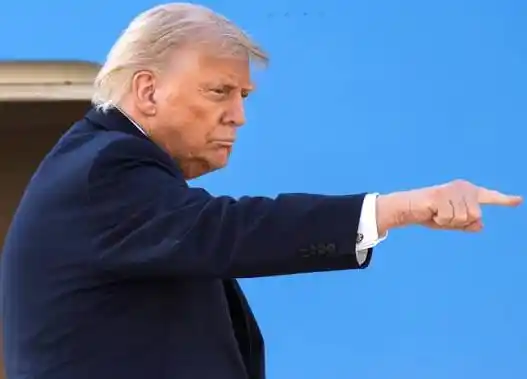
A Major New Step in the U.S. Immigration Crackdown
The Trump administration is preparing to revoke the business and tourism visas of foreigners who have applied for or are currently seeking asylum in the United States, according to the State Department and reporting based on government documents. The plan represents another significant expansion of the administration’s immigration enforcement campaign and could affect as many as 200,000 people.
The proposed action targets holders of B1 and B2 nonimmigrant visas. B1 visas are generally issued for temporary business travel, while B2 visas are commonly used for tourism and certain other short-term visits. According to reporting by Reuters and the Associated Press, the State Department plans to identify people who entered the United States on these types of visas and later filed for asylum. (Reuters)
If the reported number of up to 200,000 visas is ultimately reached, the move would represent the largest single mass visa revocation in U.S. history, according to AP reporting cited by Reuters. The administration says it is targeting people who used visas intended for temporary visits but subsequently sought to remain in the country through the asylum system. (Reuters)
The announcement has already raised questions about how the policy will work, what it means for asylum seekers and whether the administration’s approach could face legal challenges.
What the Administration Is Planning
A State Department spokesperson said the department is coordinating with the Department of Homeland Security to identify and revoke nonimmigrant visas belonging to foreigners who entered the United States claiming to be short-term visitors but later filed asylum applications.
The department has not publicly specified exactly how many visas will be revoked. However, government documents reviewed by the Associated Press reportedly indicate that the policy could affect up to 200,000 people whose B1 or B2 visas were issued between 2016 and 2026. (Reuters)
The distinction between a visa revocation and deportation is important.
Revoking a visa does not automatically mean that a person will be immediately removed from the United States. Instead, it means the visa that permitted the person to travel to the country under a particular nonimmigrant classification would no longer be valid.
The immigration consequences for an individual could depend on their specific circumstances, including their asylum case, immigration status and whether they have another lawful basis for remaining in the United States.
For people affected by the policy, however, the revocation could represent a major change in their immigration situation.
Why B1 and B2 Visas Are Being Targeted
B1 and B2 visas are designed for temporary travel.
A B1 visa generally allows eligible foreign nationals to travel to the United States for certain business-related activities, while a B2 visa is generally used for tourism and other permitted temporary visits.
Applicants for these visas are expected to demonstrate that they intend to comply with the temporary nature of their stay.
The Trump administration argues that some foreigners have used these visas to enter the country and then file asylum claims in order to remain permanently.
Deputy Secretary of State Christopher Landau has criticized what he described as an asylum system overwhelmed by what the administration considers frivolous claims. (Reuters)
The administration’s position is that individuals who entered as short-term visitors but subsequently sought permanent protection through asylum may not have been using the visa for the purpose for which it was issued.
Critics of the approach, however, argue that the ability to seek asylum is an important part of U.S. immigration and refugee law and that individual asylum claims should be evaluated on their circumstances rather than treated as evidence of wrongdoing simply because the person entered on a visitor visa.
Applying for Asylum Is Different From Receiving Asylum
One important distinction in the debate is the difference between applying for asylum and being granted asylum.
A person can apply for asylum without automatically receiving protection. Asylum proceedings can involve interviews, evidence, legal arguments and, in some cases, immigration court proceedings.
An asylum applicant generally claims that returning to their home country would expose them to persecution or a well-founded fear of persecution based on legally recognized grounds.
The fact that someone files an asylum application does not by itself establish that the claim is valid or invalid.
This distinction matters because the administration’s proposed visa revocation policy reportedly covers foreigners who have applied for or are currently seeking asylum. The government is therefore focusing on the act of seeking asylum after entering on a temporary visa rather than waiting for every asylum case to reach a final decision. (Reuters)
That approach could have significant implications for people whose asylum cases are still pending.
The Potential Scale of the Policy
The possible size of the visa revocation campaign is one of the reasons the announcement has attracted widespread attention.
Up to 200,000 people could potentially be affected if the administration implements the reported plan at its full scale. Reuters noted that the number comes from Associated Press reporting based on State Department documents and interviews with two U.S. officials. (Reuters)
The number is not necessarily a final figure.
Government agencies would first have to identify the relevant visa holders and determine which individuals fall within the policy. The process could also change as officials interpret the policy and as legal challenges emerge.
Still, even the possibility of affecting hundreds of thousands of people makes the proposal significant.
For comparison, the State Department has said that more than 175,000 visas have already been revoked under the Trump administration since 2016 for reasons including criminal conduct, visa violations or security concerns. (Reuters)
The newly reported plan would add another large category of people whose visas could be cancelled.
What Visa Revocation Could Mean for Affected Individuals
For someone who has entered the United States on a B1 or B2 visa and later applied for asylum, visa revocation could create uncertainty.
The first issue is the loss of the original nonimmigrant visa.
A visitor visa is generally connected to the temporary purpose for which it was issued. Once revoked, it cannot simply be used for future travel to the United States.
For someone already inside the country, however, the consequences can be more complicated.
Visa validity and immigration status are not exactly the same thing. A visa generally concerns a person’s ability to request admission to the United States at a port of entry, while a person’s authorized stay after admission is governed by immigration rules and their specific circumstances.
This means that a visa revocation does not automatically answer what will happen to an individual’s pending asylum case.
That distinction is particularly important because immigration cases can involve multiple legal processes at the same time.
Asylum Seekers Could Face Increased Uncertainty
People seeking asylum often already face uncertainty while waiting for their cases to move through the immigration system.
The new policy could add another layer of concern for people who originally entered legally as tourists or business visitors.
Some applicants may have entered the United States without knowing whether they would eventually need to seek protection. Others may have experienced changing circumstances in their home countries after arriving.
The administration’s policy suggests that officials intend to scrutinize cases in which a person entered under a temporary visa but later sought to remain through the asylum system.
Supporters argue that this is necessary to prevent misuse of visitor visas.
Opponents are likely to argue that circumstances can change and that people should not be automatically viewed as abusing the immigration system simply because they later seek legal protection.
The debate therefore reaches beyond the question of visa enforcement. It also involves broader questions about access to asylum and how the United States handles people who fear returning to their home countries.
The Broader Immigration Crackdown
The proposed visa revocations are part of a much larger immigration strategy under President Donald Trump.
Since returning to office, the administration has pursued policies intended to increase immigration enforcement, expand deportations, restrict certain forms of legal immigration and increase scrutiny of foreign nationals entering or remaining in the United States.
The administration has also introduced or pursued other measures affecting visas, international students, asylum seekers and employment-based immigration.
The latest plan therefore fits into a broader effort to make the U.S. immigration system more restrictive.
For the administration, the stated goal is to enforce immigration laws more aggressively and prevent people from using temporary immigration pathways to obtain longer-term residence.
For immigration advocates, however, the broader campaign has raised concerns about due process, access to legal protections and the treatment of people seeking asylum.
Supporters Say the Policy Protects the Integrity of the Visa System
Supporters of the administration’s position argue that B1 and B2 visas are intended for temporary visits.
From that perspective, a person who enters the country as a tourist or business traveler and then files for asylum may appear to have used the visa for a purpose different from the one originally represented.
The administration argues that the immigration system must distinguish between legitimate temporary visitors and people who use temporary visas as a pathway to remain in the United States permanently.
Supporters also point to the large number of asylum applications filed in recent years as evidence that the system needs stricter enforcement.
Deputy Secretary of State Christopher Landau has said the U.S. immigration system has been overwhelmed by claims the administration considers frivolous. (Reuters)
From this perspective, visa revocation is being presented as an enforcement tool rather than simply a punishment.
Critics Raise Questions About Due Process
Critics of the policy are likely to focus on what happens to individual asylum seekers whose cases may have legitimate legal claims.
The asylum system exists to allow people who fear persecution to request protection in the United States. Critics may argue that filing an asylum application should not automatically be treated as evidence that someone improperly obtained a visitor visa.
There are also questions about how the government will identify affected individuals and whether people will have meaningful opportunities to challenge a revocation.
Immigration policies involving large numbers of people can create complicated legal and administrative problems. A system that automatically categorizes people based on their immigration history could potentially overlook important differences between individual cases.
Those concerns could eventually become part of legal challenges to the administration’s policy.
Could the Plan Face Legal Challenges?
Large immigration policies implemented by presidential administrations frequently face legal challenges.
Courts may be asked to determine whether the executive branch has acted within the authority granted by Congress and whether the policy complies with existing immigration statutes and constitutional protections.
The exact legal questions surrounding the planned visa revocations will depend on how the administration implements the policy.
If the government begins revoking large numbers of visas, affected individuals and advocacy organizations could challenge the decisions through the federal court system.
The legal process could determine whether the administration can apply the policy broadly or whether officials must consider individual circumstances before taking action.
For now, the plan remains a developing policy rather than a completed mass revocation.
The International Impact Could Be Significant
The effects of the policy could extend beyond people currently living in the United States.
The United States depends heavily on international travel for tourism, education, business and family connections. Visa policies influence how foreigners view the country and whether they feel confident traveling to the United States.
A policy involving potentially 200,000 people could attract international attention.
Foreign governments may also become concerned about how their citizens are treated when entering the United States or seeking protection after arrival.
At the same time, U.S. officials may argue that stronger enforcement is necessary to maintain the credibility of the immigration system.
The policy therefore has implications for both domestic immigration enforcement and America’s international reputation.
What Travelers Should Understand
For people planning to travel to the United States, the developing policy is another reason to carefully understand the conditions attached to their visas.
Foreign nationals should not assume that having a valid visa guarantees entry into the United States. Visa holders remain subject to U.S. immigration laws and inspection by immigration authorities.
Travelers should also understand the difference between a tourist or business visa and an immigration pathway intended for long-term residence or protection.
Anyone facing an immigration issue should consider obtaining advice from a qualified immigration attorney rather than relying solely on information found online or on social media.
The consequences of an immigration decision can be significant, and individual circumstances matter.
What Happens Next?
The next stage will likely involve coordination between the State Department and Department of Homeland Security.
Officials will need to identify potentially affected visa holders and determine how the policy will be implemented.
The administration has not publicly provided a complete breakdown of the process or confirmed that all 200,000 potentially affected visas will ultimately be revoked.
That uncertainty is important.
News reports about the potential number should not be interpreted as confirmation that every person within the estimated group will lose their visa.
Implementation details, legal challenges and administrative decisions could all affect the final scope of the policy.
The situation could therefore change as the government provides additional information.
A Significant Turning Point in U.S. Immigration Policy
The Trump administration’s plan to revoke the business and tourism visas of foreigners seeking asylum represents a major development in the country’s immigration debate.
If the reported plan affects as many as 200,000 people, it would be the largest single mass visa revocation in U.S. history. (Reuters)
At the center of the controversy is a basic disagreement about how the immigration system should work.
The administration argues that B1 and B2 visas are intended for temporary travel and that people who enter under those classifications before seeking asylum may be misusing the system.
Critics are likely to emphasize that asylum applications are individual legal claims and that people may have legitimate reasons for seeking protection after entering the United States.
The difference between those positions is likely to shape the debate in the weeks and months ahead.
For affected foreign nationals, the most important issue is understanding that visa revocation does not automatically mean immediate deportation, but it can significantly change a person’s immigration circumstances.
For policymakers, the challenge will be balancing immigration enforcement with the legal protections available to people seeking asylum.
And for the American public, the controversy represents another major chapter in a rapidly changing U.S. immigration system.
As the Trump administration continues its broader immigration crackdown, the proposed visa revocations could become one of its most consequential policies yet, particularly if the government ultimately moves forward with action affecting hundreds of thousands of foreign nationals.
Citation Sources
Reuters — Trump administration plans to revoke visas of foreigners seeking asylum
Read the Reuters report
Associated Press — Reporting on the potential 200,000 visa revocations
Associated Press coverage
U.S. Department of State — Official Visa Information
U.S. Department of State Visa Information
U.S. Citizenship and Immigration Services — Asylum in the United States
USCIS Asylum Information
 Jenn Sass