
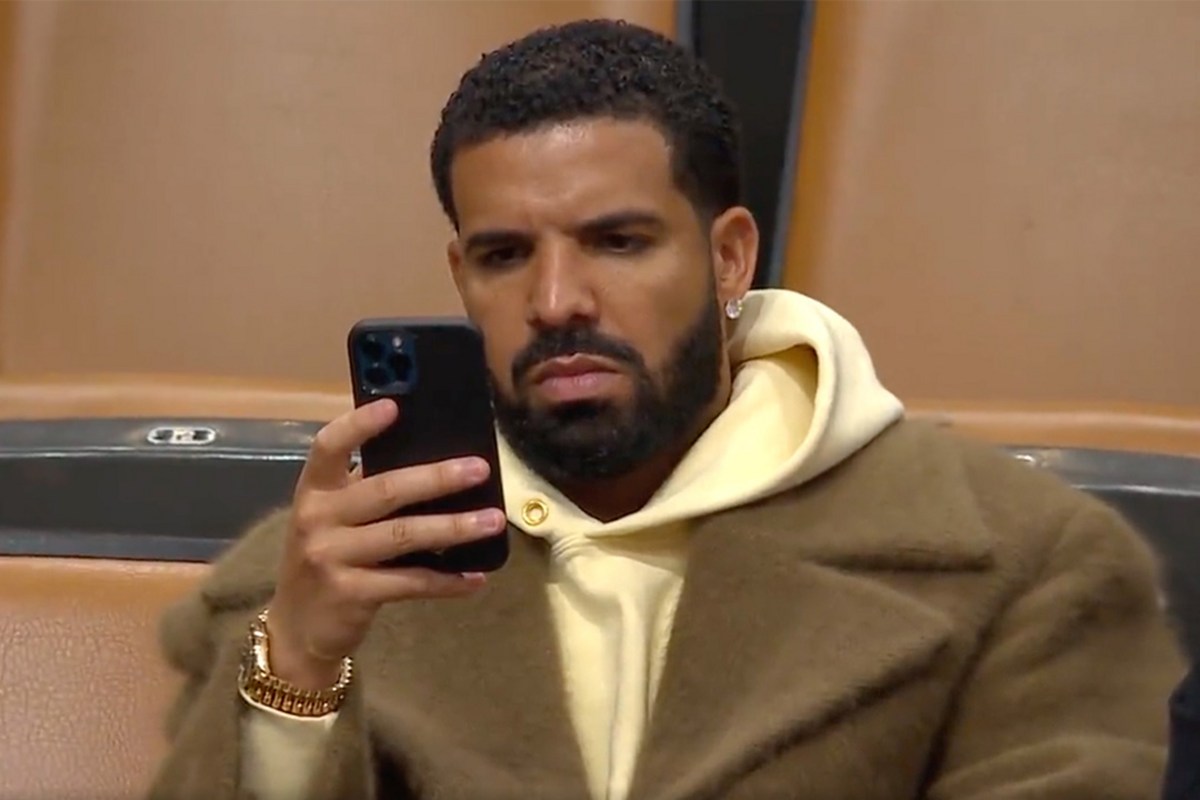
In today’s internet culture, memes have become one of the most powerful ways people interpret celebrity moments. What used to be simple reactions to news or entertainment events has evolved into a full cultural language of its own. In many cases, memes don’t just comment on a story—they replace it entirely. A single viral meme can become more memorable than the original interview, performance, or headline it came from.
This happens because memes compress complex or emotional moments into something instantly understandable. Instead of requiring context or explanation, they deliver humor and meaning in a single image, caption, or short clip. As a result, audiences often remember the meme version of a story more clearly than the actual event.
Social media platforms have amplified this effect. TikTok, Instagram, X, and Reddit allow memes to spread rapidly across global audiences within minutes. A celebrity expression, awkward pause, unexpected quote, or dramatic reaction can quickly be transformed into a repeating format that users remix, repost, and reinterpret endlessly. Once a meme gains traction, it becomes part of internet culture rather than just commentary on it.
Celebrities such as Drake, Kylie Jenner, and Tom Holland frequently appear in meme culture, often unintentionally. A single facial expression, interview moment, or public appearance can be recontextualized thousands of times across different online communities, giving it a life far beyond its original purpose.
Part of what makes memes so powerful is their emotional flexibility. The same image can be used for humor, sarcasm, frustration, or celebration depending on the caption and context. This adaptability allows memes to travel across different audiences and remain relevant long after the original moment has passed.
Another reason memes dominate online culture is speed. Traditional media requires time for editing, publishing, and distribution, but memes are created and shared instantly. This rapid cycle means that reactions to celebrity events often appear online before official news coverage is even published. In some cases, memes become the first—and most widely seen—version of a story.
Memes also create a sense of participation. Users don’t just consume content; they actively reshape it. By editing captions, remixing images, or adding new contexts, audiences collectively build a shared digital language. This participation strengthens online communities and gives users a sense of involvement in shaping pop culture narratives.
Interestingly, the humor in memes often comes from exaggeration or distortion. A simple moment is taken out of context and amplified for comedic effect. While this can sometimes oversimplify or misrepresent real events, it also reflects how audiences process entertainment in a fast-paced digital environment where attention spans are limited.
Over time, memes can even influence how celebrities are perceived. Public figures become associated with specific viral moments, sometimes more than their actual work. This creates a feedback loop where meme culture shapes public identity, and public identity fuels new memes.
Despite their humor, memes are also a form of cultural documentation. They capture how people collectively react to events in real time, creating a snapshot of internet culture at a specific moment. Years later, meme archives often serve as informal records of how audiences felt about celebrity news, entertainment releases, or viral incidents.
Ultimately, memes have become more memorable than the original stories because they are simpler, faster, and more emotionally engaging. They transform complex events into shared jokes that spread across millions of users, turning individual reactions into global cultural moments. In today’s digital landscape, it is often not the original headline that lasts—but the meme it inspires.
References
- Pew Research Center – Internet and Social Media Behavior
- MIT Technology Review – Digital Culture and Online Trends
- Reuters Institute – Digital News & Information Trends
- Harvard Business Review – Attention Economy
- Stanford Internet Observatory – Online Information & Memes
- IFPI – Global Music & Fan Engagement Report
 Mark Shlart