
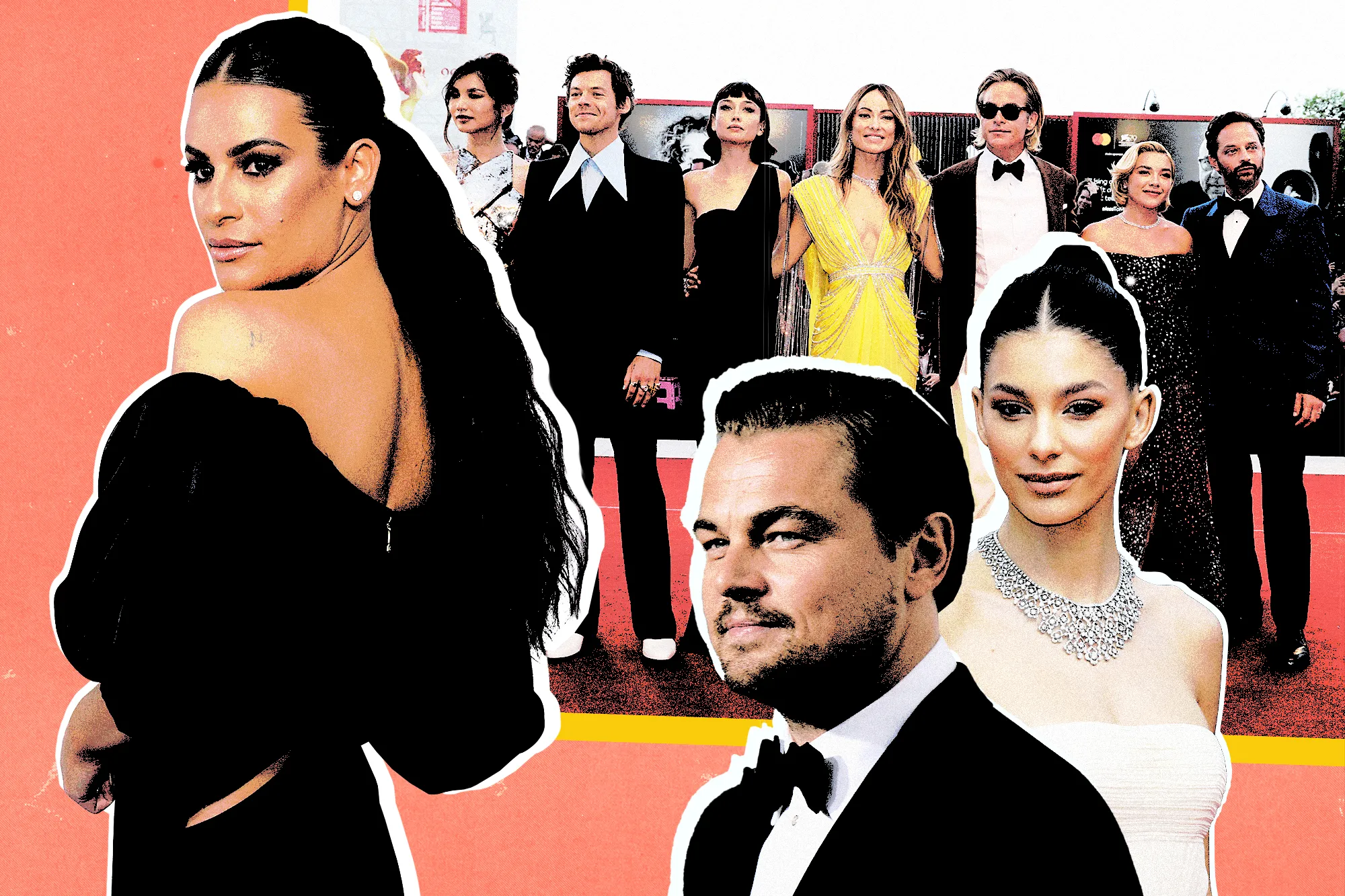
In today’s online culture, celebrity moments rarely stay serious for long. Within minutes, satirical corners of the internet transform headlines, social media clips, and even controversies into entertainment—memes, reaction videos, and witty commentary dominate timelines, turning chaos into comedy. The result? A single incident can spark hours, even days, of collective amusement, where the audience becomes both observer and creator.
Take recent events surrounding Bad Bunny. His Super Bowl LX Halftime Show performance and subsequent Instagram disappearance became a perfect storm for internet humor. Clips of the performance circulated immediately, sparking discussion—but before the media could fully analyze it, social media users were already remixing the footage into memes, jokes, and satirical takes. Some posts exaggerated the reactions, others created playful comparisons, and still others poked fun at the online arguments themselves.
This rapid transformation illustrates a key aspect of modern pop culture: online audiences no longer just consume celebrity drama—they actively reinterpret it. A few seconds of video, a misunderstood comment, or a wardrobe choice can quickly become fodder for humor, satire, and parody. Memes, in particular, allow people to participate in the narrative without taking sides, creating a shared cultural moment that transcends fandom, criticism, or even geographic boundaries.
Satirical engagement also serves a social function. In a world where news cycles move at lightning speed and controversies can feel overwhelming, humor acts as a release valve. It allows people to engage with celebrity news, but in a lighter, more communal way. Laughter becomes a form of participation, and viral jokes ensure that moments linger longer than they might through traditional reporting.
What’s fascinating is how these satirical interpretations can influence perception. A well-timed meme or viral joke often shapes the dominant conversation about a celebrity moment, sometimes more than official commentary or professional reviews. For example, the jokes surrounding Bad Bunny’s Instagram disappearance highlight the absurdity and curiosity of the situation, turning what might have been a private decision into a global topic of entertainment.
This pattern repeats across pop culture. Viral performances, awkward interviews, or controversial statements are quickly filtered through layers of satire and remix culture. Each iteration adds new context or exaggeration, keeping the story alive and circulating. Platforms like TikTok, Instagram, and X amplify these trends, making humor an integral part of how celebrity news spreads.
Importantly, this doesn’t diminish the impact of the original event. Instead, it transforms it into a participatory experience. Fans, casual observers, and even critics contribute to the evolving narrative, creating layers of meaning that extend far beyond the initial moment. The chaos of pop culture becomes a shared spectacle, one where everyone has a voice, a reaction, and a joke to offer.
Ultimately, the internet’s playful approach to celebrity drama reflects the broader cultural shift in how fame is consumed and discussed. Moments no longer exist in isolation—they are live, remixable, and endlessly reinterpretable. Satire, humor, and memes aren’t just commentary; they are central to the life cycle of celebrity culture in the digital age.
In other words, celebrity chaos isn’t just news anymore—it’s entertainment, and the internet is having a lot of fun with it.
 Mark Shlart