
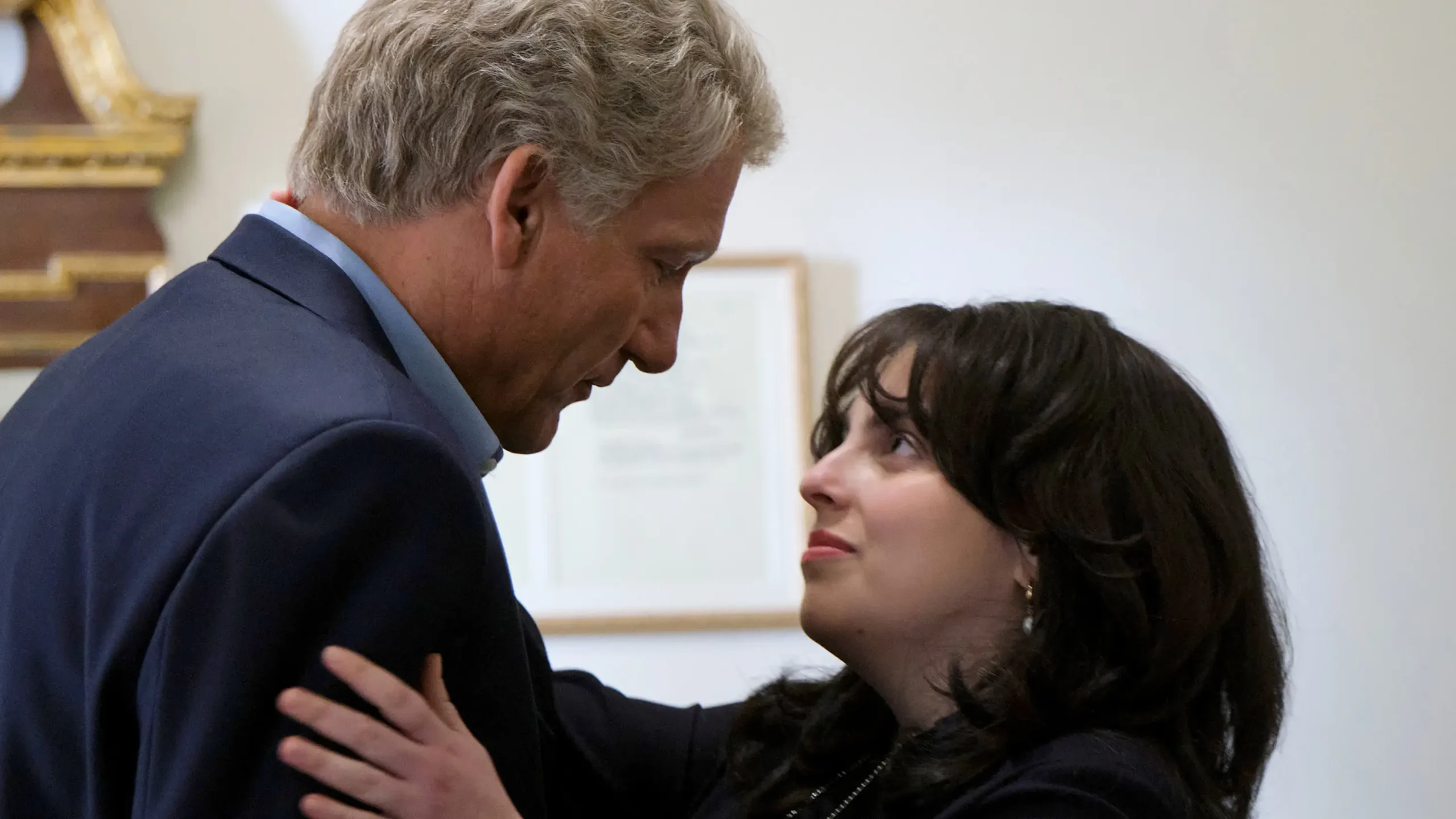
It wasn’t just a headline; it was a political earthquake. The Clinton-Lewinsky scandal, which erupted in January 1998, consumed the nation and dominated global news. Ultimately, it culminated in only the second presidential impeachment in U.S. history. For over a year, America remained gripped by a sordid drama of private indiscretion and public fallout. However, to dismiss it as merely a story about an affair is to miss the point entirely.
The true, lasting legacy of the scandal is not the affair itself. Instead, it’s about how political opponents systematically and ruthlessly weaponized it. This crisis served as a masterclass in transforming a personal, moral failing into a legal and political cudgel. Consequently, the saga drew a new, brutal blueprint for modern political warfare. It demolished the already fragile wall between a public figure’s duties and their private life. In short, this is the story of how the personal became profoundly, and permanently, political.
[Image: A dramatic, shadowed photo of the White House at dusk.] Alt text: The White House, the epicenter of the political storm during the Clinton-Lewinsky scandal.
The Spark: From Private Affair to Public Inquisition
To understand how the scandal became a weapon, one must first look to its origins, which weren’t with Monica Lewinsky. In fact, the Paula Jones sexual harassment lawsuit, filed against President Bill Clinton in 1994, laid the kindling years earlier. Jones’s lawyers were searching for other women who might have had relationships with the president. Their goal was to establish a pattern of behavior. This legal fishing expedition eventually led them to Linda Tripp.
Tripp, a Pentagon employee and a confidante of Monica Lewinsky, made a fateful decision. She secretly began recording her conversations with the young former White House intern, in which Lewinsky detailed her affair with the president. When Tripp provided these tapes to Independent Counsel Kenneth Starr, the trap was set.
Originally, Starr’s appointment was to investigate the Clintons’ financial dealings in the Whitewater controversy. After years of investigation yielded little, the Justice Department expanded Starr’s authority to include the Lewinsky matter. Suddenly, the central issue was no longer the affair itself. It was whether the President had lied about it under oath during a deposition for the Paula Jones case. The charge thus morphed from a moral failing into the high crimes of perjury and obstruction of justice. The personal had officially become a legal matter, and Starr had his weapon.
The Arsenal: The Tools That Forged a Scandal
A weapon is useless without the means to wield it. The architects of the campaign against Clinton employed a multi-pronged attack. Specifically, they leveraged the full power of the legal system and a rapidly changing media landscape.
[Image: A montage of newspaper headlines from 1998 about the scandal.] Alt text: A collage of newspaper headlines covering the Bill Clinton impeachment and the Clinton-Lewinsky scandal.
The Legal Machinery: The Special Counsel and Grand Jury
First, the office of the Independent Counsel proved to be a powerful tool. With a virtually unlimited budget and a broad mandate, Kenneth Starr’s team could exert immense pressure. They subpoenaed witnesses and convened a grand jury. Furthermore, they offered Monica Lewinsky immunity in exchange for her testimony. The full weight of the federal justice system was brought to bear on the investigation of a private, consensual relationship. The goal was clear: force a confession or catch the President in a lie. This would transform personal secrecy into a federal crime. This legal framework gave the entire affair a veneer of legitimacy while serving a deeply political end.
The Media Explosion: The Drudge Report and the 24/7 News Cycle
Additionally, the Clinton-Lewinsky scandal became the first major political crisis of the internet age. The story didn’t break in The New York Times or on a network evening newscast. Instead, Matt Drudge first reported the story on January 17, 1998, on his self-published website, the Drudge Report, after Newsweek magazine delayed its own piece.
This was a seminal moment. It marked the end of the legacy media’s gatekeeping power. Information—or, in this case, “dirt”—could now bypass traditional editorial checks and be injected directly into the public consciousness. Cable news channels like CNN and MSNBC, hungry for content, seized upon the story with ravenous intensity. As a result, the scandal became a non-stop spectacle. Panels of pundits and strategists dissected every rumor in real-time. This constant, breathless coverage amplified the crisis, ensuring it was inescapable.
The Starr Report: The Blueprint for Humiliation
The ultimate weapon, however, was the Starr Report itself. The government released it to Congress and simultaneously published it online in September 1998. This was an unprecedented move. The 445-page document was not a dry, legalistic summary of findings. On the contrary, it contained excruciatingly graphic and intimate details of Clinton’s relationship with Lewinsky.
Publishing the report online was a strategic masterstroke of political warfare. It ensured millions would read the most salacious details, unfiltered and unedited. The purpose was not merely to make a legal case for impeachment. The deeper goal was to achieve maximum personal humiliation and political damage. In essence, the report was designed to shatter the President’s image and strip him of his dignity, making his position untenable.
The Battleground: Redefining the Public vs. Private Divide
The scandal forced a national reckoning over a timeless democratic question: where is the line between a leader’s public duties and their private life? The country quickly became fiercely divided.
On one side, the President’s opponents argued that character was indivisible. They claimed that lying under oath, even about a personal matter, constituted a betrayal of the public trust. For them, the issue wasn’t sex; it was perjury. This group contended that a leader who would lie about his personal life could not be trusted to lead the country honestly.
On the other side, Clinton’s defenders saw the scandal as a politically motivated “witch hunt.” These supporters argued that a consensual affair, however regrettable, had no bearing on the President’s ability to govern. They pointed to a thriving economy and a balanced budget as evidence that his private conduct was irrelevant to his job performance. Consequently, they saw the investigation as a dangerous overreach—an attempt to overturn the results of two democratic elections.
Remarkably, public opinion polls reflected this schism. Throughout the crisis, President Clinton’s job approval ratings remained historically high. While a majority of Americans disapproved of his personal behavior, they nonetheless continued to approve of his job performance. This suggested the public could separate the two—a nuance that the President’s fiercest critics either failed to grasp or chose to ignore.
The Aftermath: A New Playbook and a Lasting Legacy
In December 1998, the House of Representatives voted largely along party lines to impeach President Clinton. They charged him with perjury and obstruction of justice. However, the Senate acquitted him in February 1999, falling well short of the two-thirds majority required for removal.
While Clinton survived impeachment, the scandal irrevocably scarred the political landscape. The Clinton-Lewinsky scandal didn’t just bend the rules of political engagement; it broke them. It normalized the idea that every aspect of an opponent’s life was fair game. This created a playbook that has been used time and again in the decades since. In this new game, personal vulnerabilities are sought out and ruthlessly exploited for political gain.
The human cost was also immense. Monica Lewinsky, a young woman in her early twenties, endured public shaming on a global scale. She became a punchline and a caricature, her life and reputation collateral damage in a high-stakes political war. Her treatment remains a stark reminder of the devastating human impact of weaponizing the personal.
Ultimately, the scandal was a harbinger of the political environment we inhabit today. It foreshadowed a hyper-partisan world saturated by a relentless media cycle and fueled by the vicious nature of the internet. It was the moment America learned just how potent political dirt could be when combined with modern technology and a win-at-all-costs mentality. The aftershocks of that earthquake are still felt today, in every campaign, every news cycle, and every debate over the character of our leaders.