
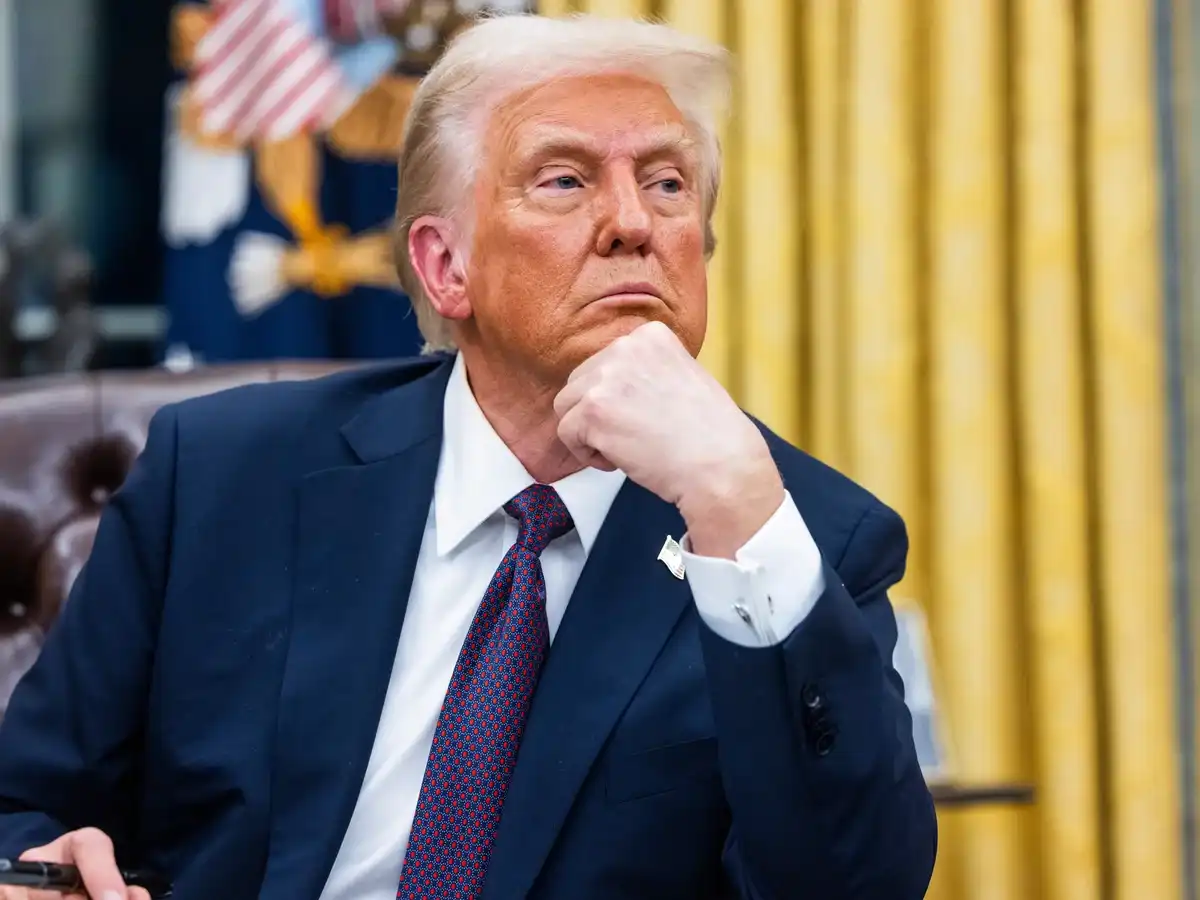
On March 13, 2026, President Donald Trump signed a landmark executive order aimed at cracking down on fraudulent “Made in America” labels. According to the White House, the measure is designed to protect U.S. consumers and domestic manufacturers from deceptive marketing practices, ensuring that products advertised as American-made genuinely meet federal standards. (reuters.com)
The executive order comes amid rising concerns over misleading claims by foreign and domestic sellers, particularly on online marketplaces, where products are often labeled “Made in USA” despite being manufactured overseas. Supporters of the order argue it will level the playing field for U.S. manufacturers and enhance consumer trust, while critics caution that enforcement may increase costs and complicate international trade.
This article explores the executive order in detail, its impact on consumers, manufacturers, and government procurement, historical context, enforcement mechanisms, and practical advice for shopping smarter in the era of globalization.
Target Keywords: Made in America labels, Trump executive order, fraudulent labeling, U.S. manufacturing, consumer protection
What the Executive Order Covers
The executive order lays out several key directives:
1. Strengthening FTC Enforcement
The Federal Trade Commission (FTC) is instructed to prioritize investigations and enforcement actions against companies that misrepresent products as “Made in America.”
- Includes both domestic and foreign sellers
- Applies to products where substantial production occurs outside the U.S.
- Violations can lead to fines, penalties, or removal from government contracts (FTC guidelines)
2. Standardizing Country-of-Origin Guidance
Federal agencies will coordinate to update labeling guidance to ensure consistency in defining what qualifies as American-made. This effort will help prevent confusion and make it easier for consumers to trust product claims.
3. Protecting Federal Procurement Integrity
Agencies managing government contracts are required to verify “Made in America” claims, removing any products found to be falsely labeled. The order emphasizes that federal spending should support legitimate American manufacturers.
4. Legal Referrals for Violations
The order authorizes referrals to the Department of Justice for violations, including possible action under the False Claims Act, especially for products sold to government agencies.
Why the Executive Order Matters
Protecting Consumers
The “Made in America” label carries significant weight for U.S. buyers. Many consumers rely on this label for quality assurance, supporting local jobs, and patriotic reasons. Fraudulent labeling can mislead buyers, eroding trust in American products and diminishing the value of legitimate domestic goods.
Supporting Domestic Manufacturing
American manufacturers often compete with foreign products that falsely claim to be U.S.-made. This order helps protect domestic businesses and ensures that consumers’ choices genuinely support the American economy.
Enhancing Government Procurement
Federal procurement represents billions of dollars in spending annually. Ensuring that products sold to the government meet American-sourcing standards guarantees taxpayer dollars support domestic industry, while promoting transparency in federal purchasing.
Historical Context: Buy American Policies
Efforts to prioritize U.S. manufacturing and uphold labeling standards date back decades:
- 1933 Buy American Act: Required federal agencies to purchase U.S.-made goods when possible.
- 1980s “Made in USA” labeling standards: FTC established rules defining criteria for American-made products.
- 2017 Trump administration initiatives: “Buy American, Hire American” executive orders emphasized domestic sourcing in federal contracts.
The 2026 executive order focuses specifically on combating fraudulent labeling in the era of globalized supply chains and e-commerce. Products shipped from abroad are sometimes marketed as U.S.-made, creating unfair competition and consumer confusion.
Examples of Fraudulent “Made in America” Labels
Fraudulent labeling is a real-world problem that affects industries across sectors:
- Electronics: Some imported gadgets are labeled “Assembled in USA” despite key components manufactured abroad.
- Apparel: Clothing brands have advertised products as U.S.-made while most materials or sewing occurs overseas.
- Food Products: Certain packaged foods carry “Made in USA” labels even though ingredients are sourced from multiple countries.
Cases like these have prompted consumer advocates and manufacturers to call for stricter enforcement and updated regulations.
FTC Enforcement and Penalties
The Federal Trade Commission already has authority to investigate deceptive “Made in USA” claims. Under the new executive order:
- The FTC will prioritize cases of intentional fraud.
- Companies can face civil penalties, fines, and corrective advertising requirements.
- Violations impacting federal contracts may trigger referrals to the Department of Justice for prosecution.
For companies, compliance with labeling guidelines is essential to avoid financial and reputational risk.
Potential Challenges and Criticisms
Defining “Made in America”
Global supply chains complicate enforcement. FTC guidelines require that all or virtually all significant components and processing occur in the U.S. However, many products involve mixed sourcing, making verification difficult.
Enforcement Complexity
Online marketplaces allow sellers worldwide to label products freely. Ensuring compliance across digital platforms will require additional FTC resources and monitoring systems.
Trade Implications
Strict labeling rules may affect international trade agreements or provoke disputes with trading partners. U.S. officials must balance enforcement with maintaining fair trade relations.
Economic and Consumer Impacts
- American manufacturers may gain a competitive advantage and greater consumer trust.
- Consumers will benefit from accurate labeling, better-informed choices, and assurance that their purchases support domestic jobs.
- Foreign exporters must comply with U.S. standards to sell under the “Made in USA” label, which may increase compliance costs.
Expert Opinions
Susan S. Smith, consumer rights advocate:
“Accurate labeling is crucial. Consumers have a right to know where their products are made.”
John Taylor, manufacturing analyst:
“This executive order strengthens the integrity of U.S. brands and levels the playing field for domestic manufacturers.”
FTC spokesperson:
“We are committed to enforcing ‘Made in America’ standards and ensuring fraudulent claims are addressed promptly.”
What Consumers Should Do
- Check labels carefully and verify claims on official websites.
- Research brands before purchasing, especially on e-commerce platforms.
- Support verified American manufacturers to help strengthen domestic industry.
- Report suspicious claims to the FTC for investigation.
Frequently Asked Questions (FAQ)
Q1: What does “Made in America” mean?
A1: Products must be all or virtually all made in the U.S., including significant components and processing.
Q2: Who enforces compliance?
A2: The FTC leads enforcement, while federal agencies oversee government procurement verification.
Q3: Can foreign products be labeled “Made in America”?
A3: No, unless all significant parts and processing occur in the U.S. Mislabeling can trigger legal action.
Q4: What are penalties for violations?
A4: Civil fines, corrective advertising, removal from federal procurement contracts, and potential DOJ referrals under the False Claims Act.
Conclusion
President Trump’s executive order to combat fraudulent “Made in America” labels represents a strong commitment to:
- Protecting consumers from misleading advertising
- Supporting domestic manufacturers and job creation
- Ensuring transparency and accountability in government procurement
While challenges remain — from defining U.S.-made products to online enforcement and trade considerations — this order sets a precedent for strengthening consumer trust and economic integrity. Consumers, manufacturers, and regulators alike will need to adapt to a landscape where truthful labeling is more critical than ever.
Citation and References
- https://www.reuters.com/world/trump-signs-order-combat-fraudulent-made-america-labels-white-house-says-2026-03-13/
- https://www.yahoo.com/news/articles/trump-signs-order-combat-fraudulent-193947125.html
- https://www.thestkittsnevisobserver.com/united-states-president-donald-j-trump-ensures-truthful-advertising-of-products-claiming-to-be-made-in-america/
- https://sgp.fas.org/crs/misc/R44755.pdf
- https://www.ftc.gov/tips-advice/business-center/guidance/complying-made-america-standard
 Jenn Sass