
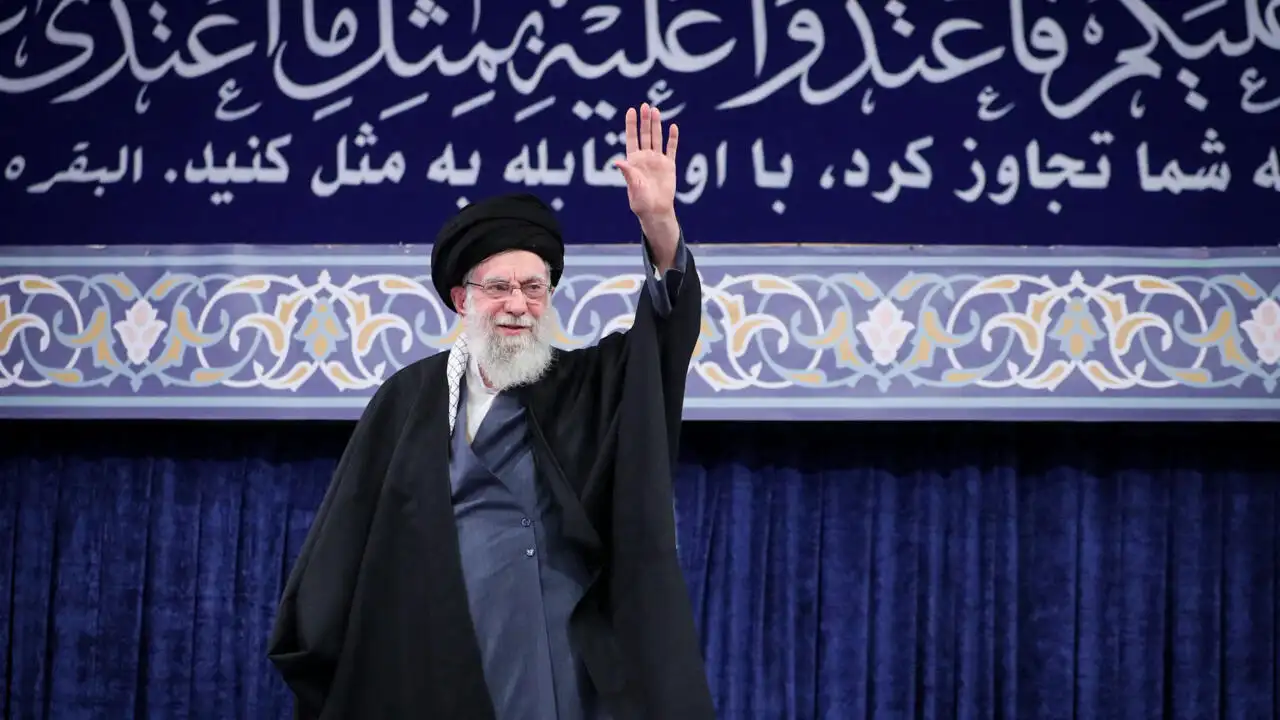
In a historic and unparalleled escalation of military conflict in the Middle East, Iran’s Supreme Leader Ayatollah Ali Khamenei has been confirmed dead following a major attack involving the United States and Israel. Iranian state media officially announced the news on March 1, 2026, declaring a period of national mourning as the nation and the world absorb the ramifications of his death.
This event represents one of the most consequential shifts in regional geopolitics in decades, with potential impact on global security, energy markets, and diplomatic relations across the Middle East and beyond.
What Happened: The Attack and Confirmation
On February 28, 2026, a coordinated military offensive was launched involving aerial and missile strikes on key targets in Tehran and other parts of Iran by forces from the United States and Israel. Among the targets was the secure compound where Ayatollah Khamenei was present.
According to Iranian state media and multiple international reports:
- Supreme Leader Ayatollah Ali Khamenei, aged 86, was killed in the joint U.S.–Israeli airstrikes.
- Iran’s government announced a 40‑day national mourning period and additional days of public holidays.
- Reports confirmed several high‑ranking Iranian military officials and members of Khamenei’s family were also killed or injured in the strikes.
Iran’s official broadcaster described the leader’s death in terms of “martyrdom” and highlighted his decades‑long role as the nation’s spiritual and political authority.
Who Was Ayatollah Ali Khamenei?
Ayatollah Ali Khamenei had served as Iran’s Supreme Leader since 1989, succeeding Ayatollah Ruhollah Khomeini, the founder of the Islamic Republic. As Supreme Leader, Khamenei held ultimate authority over Iran’s government, military, judiciary, and foreign policy, wielding significant influence both domestically and across the region.
During his tenure, Khamenei’s leadership was characterized by:
- Firm resistance to Western influence and alliances with groups opposed to U.S. and Israeli interests.
- Oversight of Iran’s nuclear program, despite international tension and sanctions.
- A domestic record marked by repression of political dissent and large‑scale protests.
His death effectively ends a near four‑decade era of political continuity at the top of the Iranian state.
Immediate Responses and Regional Reactions
Iranian Government and Security Apparatus
Iranian President Masoud Pezeshkian condemned the attack as a “great crime” and pledged that seeking retribution is a legitimate duty for the nation. Pro‑government leaders and Revolutionary Guard officials described the strike as an act of aggression with far‑reaching consequences.
The Iranian government declared a 40‑day mourning period, with ceremonies and memorials planned across the country. Major state institutions suspended normal operations, and flags were flown at half‑mast in commemoration.
United States and Israel
U.S. leadership officially acknowledged the strike, with then‑President Donald Trump reportedly announcing Khamenei’s death on social media as a significant achievement in the broader conflict. Israeli leaders similarly framed the operation as a decisive blow to Iran’s leadership and military infrastructure.
Internationally, this action was met with a mixture of political support, condemnation, and calls for restraint due to the danger of escalating regional tensions.
Global Political Fallout
Russia’s President criticized the killing as a violation of international norms, and other world leaders expressed concern about the potential for wider conflict. Global markets, particularly energy prices, reacted strongly amid fears of disruption in the oil‑producing region.
Regional Security and Strategic Implications
The death of Khamenei — a central figure in Iran’s foreign policy and military strategy — has significant implications:
1. Power Vacuum and Succession Uncertainty
Iran’s leadership structure provides for replacement through religious and political councils, but such transitions typically occur under more stable conditions. The sudden loss of a longstanding Supreme Leader may trigger internal power struggles and uncertainty regarding the country’s future direction.
2. Escalation of Military Conflict
In response to the attack, Iranian forces reportedly launched missile and drone strikes against U.S. and Israeli assets in the region, raising fears of expanded engagement across the Middle East. Neighboring countries have increased defensive postures, and civilian populations remain at risk amid ongoing hostilities.
3. Global Energy and Geopolitical Ripples
The Strait of Hormuz, a critical chokepoint for global oil shipments, has grown into a flashpoint as tensions rise. Disruption in this region could impact international energy markets and economic stability.
Civilian Impact and Human Cost
Beyond political leadership changes, the strikes reportedly resulted in significant civilian casualties and infrastructure damage:
- Iranian state reporting and international agencies cited deaths and destruction in multiple provinces.
- Strikes on civilian areas, including educational institutions, reportedly led to loss of non‑combatant lives.
- Displacement and humanitarian concerns have been raised by regional observers.
The documented human toll has amplified calls for international diplomatic efforts to prevent further civilian suffering.
What Happens Next?
Iranian Leadership Transition
With the death of Khamenei confirmed, Iran’s constitution dictates that the Assembly of Experts will oversee the selection of a new Supreme Leader or interim leadership structure. Analysts suggest this may occur under intense political pressure amid external conflict and internal dissent.
Ongoing Conflict and Diplomacy
Diplomatic channels are likely to be strained as global powers navigate reactions to the strike. International organizations, including the United Nations, may become forums for negotiation and de‑escalation efforts. Economic sanctions, military aid dynamics, and proxy conflicts could also evolve rapidly.
Conclusion
The confirmed death of Ayatollah Ali Khamenei in a joint U.S.–Israeli military operation marks a watershed moment in modern Middle Eastern history. It represents a dramatic turn in geopolitical conflict, potentially reshaping Iran’s domestic governance, regional security dynamics, and global diplomatic relations.
The long‑term consequences of this event will unfold over months or years, with the potential to redefine alliances, influence energy markets, and alter the strategic balance in one of the world’s most complex regions.
Sources:
• Iran’s Ayatollah Ali Khamenei has been killed, state‑run media confirms, Euronews (Feb 28, 2026)
• Iran’s Supreme Leader Khamenei killed — Iranian state media, Xinhua via News.cn (Mar 1, 2026)
• Iranian state media confirm death of Supreme Leader Ayatollah Ali Khamenei, APA.az (Mar 1, 2026)
• Assassination of Ali Khamenei, Wikipedia (updated Mar 2026)
 Jenn Sass