
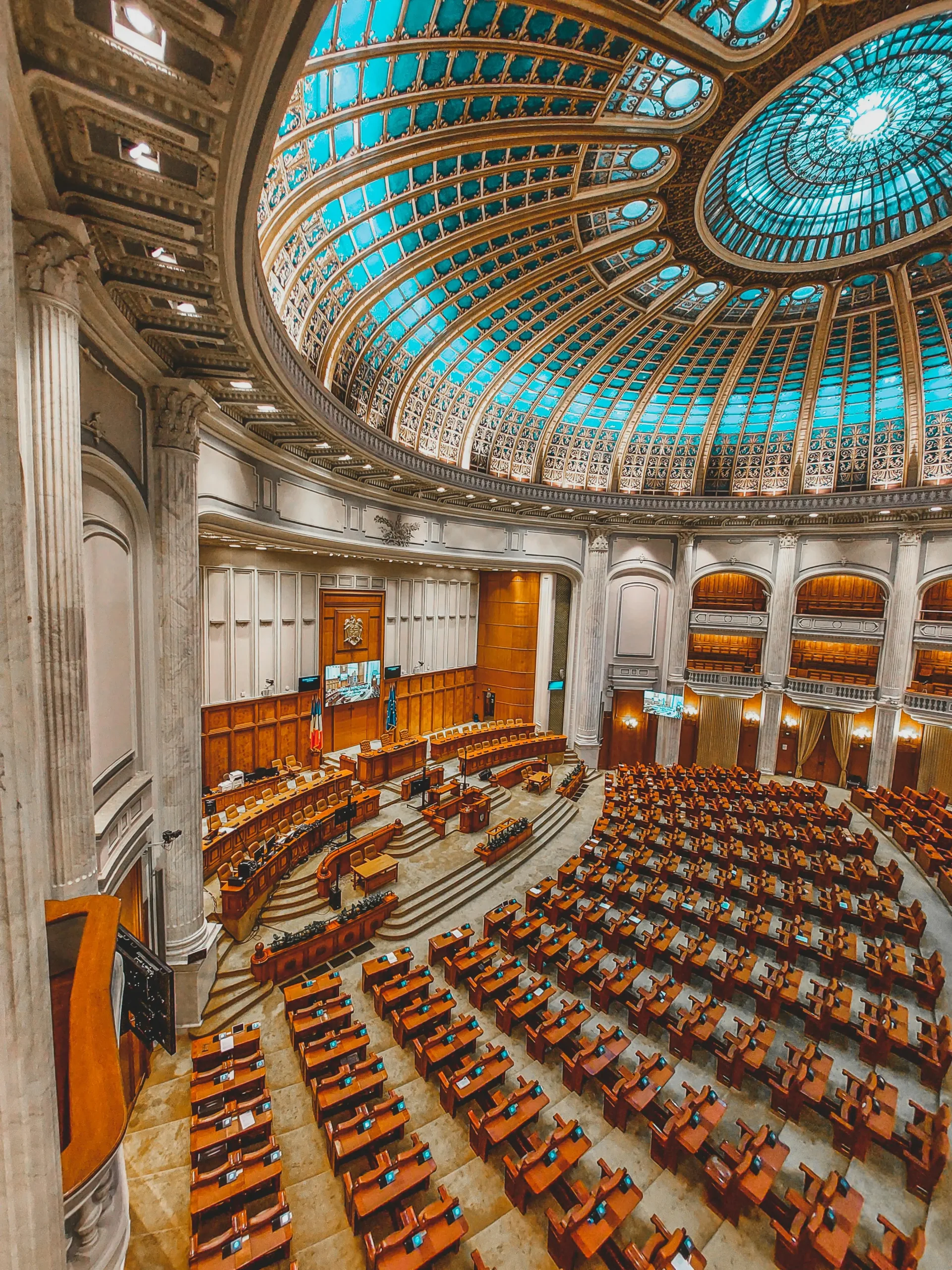
Politics is often filled with debates, policies, and public discourse—but it’s the controversies and scandals that capture attention, spark outrage, and dominate headlines. Political controversies can involve everything from ethical lapses and financial misconduct to mismanagement, leaked information, and public missteps. They not only affect politicians and government institutions but also influence public trust, voter behavior, and the broader political landscape.
In this article, we explore some of the most significant political controversies that have shaped the nation recently, their implications, and why these scandals continue to impact public perception and political dialogue.
1. Corruption Allegations
One of the most recurring themes in political controversies is corruption. Allegations often include misuse of public funds, bribes, or conflicts of interest. These scandals draw public scrutiny because they question the integrity of elected officials and government institutions.
For example, when politicians are accused of awarding contracts to companies connected to family or friends, it undermines confidence in governance and raises questions about fairness and transparency. Corruption allegations often lead to investigations, resignations, or legal action, highlighting the ongoing battle between accountability and power.
2. Mismanagement During Crises
Political leaders are under intense scrutiny during times of national crises, such as natural disasters, economic downturns, or public health emergencies. Controversies arise when the government’s response is deemed slow, inadequate, or politically motivated.
A recent example involved delays in disaster relief funding, where citizens criticized officials for prioritizing political interests over immediate humanitarian needs. Such controversies emphasize the critical importance of preparedness, transparency, and effective communication in leadership.
3. Leaks and Whistleblower Revelations
Leaks and whistleblower reports often spark political scandals, exposing internal misconduct or unethical behavior. From classified information being revealed to internal memos showing questionable decision-making, these leaks can cause national and international repercussions.
Whistleblowers have played a crucial role in uncovering financial fraud, abuse of power, and other unethical practices. However, these revelations often polarize the public, with debates about national security, freedom of speech, and accountability. These controversies show the delicate balance between transparency and the protection of sensitive information.
4. Ethical Missteps and Personal Scandals
Politicians’ personal behavior can also become political controversies. Ethical missteps, conflicts of interest, or inappropriate public conduct can tarnish reputations and influence public opinion.
For instance, public figures caught in undisclosed business dealings or engaging in misconduct often face intense media scrutiny. Even actions outside of office, such as controversial statements or personal relationships, can escalate into scandals that affect a politician’s career and public trust.
5. Partisan Conflicts and Legislative Controversies
Political controversies frequently arise from partisan conflicts, particularly over legislation or executive decisions. Laws or policies that are perceived as unfair, discriminatory, or poorly executed often become points of contention, sparking heated debates and public protests.
Examples include disputes over tax reforms, healthcare policies, or regulatory changes. These controversies highlight the deep divisions in political ideology and the challenge of creating policies that satisfy diverse constituencies.
6. Social Media and Public Backlash
In the digital age, social media has amplified political controversies, allowing scandals to spread faster and wider than ever before. Tweets, videos, and online posts can spark nationwide debates within hours, often intensifying public outrage.
Political figures who post controversial statements, fail to address misinformation, or engage in online conflicts often face widespread backlash. This trend shows that managing public perception has become as important as policymaking in modern politics.
Implications of Political Controversies
- Erosion of Public Trust
Controversies can lead to decreased trust in government and elected officials. When citizens feel that leaders are acting in self-interest or engaging in unethical behavior, it impacts voter confidence and participation. - Policy Delays and Gridlock
Scandals can stall legislative agendas as politicians become preoccupied with damage control. Controversies can slow down decision-making, delaying policies that affect critical sectors like healthcare, education, and infrastructure. - Media Influence
Political controversies dominate media coverage, shaping public perception and influencing the political narrative. Sensational stories often overshadow policy achievements, highlighting the power of media in shaping national discourse. - Impact on Elections
Scandals and controversies often play a decisive role in elections. Voters are more likely to scrutinize candidates’ backgrounds, ethics, and past behavior, making political controversies critical in shaping electoral outcomes.
Notable Controversies That Shaped the Year
- Financial Oversight Scandals
Several high-profile cases involved misuse of public funds or questionable financial decisions by elected officials. Investigations revealed irregularities in budget allocation, contract awards, and personal gains, leading to resignations and public criticism. - Policy Implementation Failures
Controversies emerged when governments failed to effectively implement policies or programs. Delays in aid distribution, mismanagement of resources, and bureaucratic inefficiencies sparked debates and highlighted accountability issues. - Social Media Fallout
Politicians faced backlash for statements made on social media that were considered offensive, misleading, or insensitive. These incidents fueled nationwide discussions about ethics, accountability, and the responsibilities of public figures.
Lessons From Political Controversies
- Transparency is Crucial
Clear communication and openness about decision-making processes can prevent misunderstandings and reduce public skepticism. Leaders who prioritize transparency are more likely to maintain trust even when mistakes occur. - Accountability Matters
Holding officials accountable for misconduct ensures that ethical standards are maintained. Investigations, resignations, and legal action are essential for preserving integrity in governance. - Ethics Should Guide Leadership
Ethical behavior, both in public and private life, is critical for maintaining credibility. Controversies often arise when ethics are ignored, emphasizing the need for strong moral standards in leadership. - Public Engagement is Essential
A politically informed and engaged public can demand accountability, influence policy, and drive reforms. Political controversies highlight the importance of civic participation and awareness.
Conclusion
Political controversies are an unavoidable part of governance, reflecting the challenges of power, responsibility, and accountability. While scandals and missteps can damage reputations and erode trust, they also offer opportunities for reform, reflection, and increased transparency.
From corruption allegations and mismanagement to social media missteps and partisan conflicts, the controversies of today shape the political landscape of tomorrow. For citizens, staying informed, critically analyzing information, and engaging in civic discourse are key to understanding these events and their impact.
Ultimately, political controversies remind us that leadership carries immense responsibility. Ethical behavior, transparency, and accountability are not just ideals—they are essential components of effective governance. By learning from scandals and controversies, both leaders and citizens can work toward a more accountable, trustworthy, and effective political system.