
Introduction: A Community Shaken by Sudden Violence
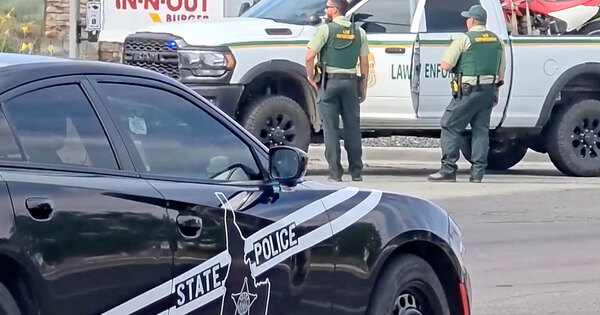
A deadly shooting at an In-N-Out Burger restaurant in Idaho has left a community searching for answers after authorities confirmed that the suspected gunman died from a self-inflicted gunshot wound. The tragic incident claimed lives, injured others, and prompted a large-scale law enforcement response as investigators worked to secure the scene and determine what led to the attack.
Mass shootings continue to raise difficult questions about public safety, emergency preparedness, and violence prevention. Each incident leaves lasting emotional, social, and economic effects on victims, their families, witnesses, first responders, and the surrounding community.
As investigators gather evidence, officials are focused on reconstructing the sequence of events, identifying the victims, and understanding the circumstances that preceded the shooting. While early reports often provide limited information, authorities typically caution against speculation until the investigation is complete.
The Idaho tragedy has once again drawn national attention to the challenges communities face when violence occurs in public places that people generally associate with everyday life, such as restaurants and shopping areas.
What Authorities Have Confirmed
According to law enforcement officials, the suspected gunman has been identified and died from a self-inflicted gunshot wound after the shooting. Investigators have stated that there is no continuing threat to the public related to the incident.
Crime scene investigators are examining physical evidence, reviewing surveillance footage, interviewing witnesses, and analyzing digital evidence to establish a clear timeline.
Officials have emphasized that investigations of this nature require careful verification. Information released during the first hours or days after a mass casualty event may change as additional evidence becomes available.
Authorities are also working to notify victims’ families before releasing identities publicly, a standard procedure intended to respect privacy during an extremely difficult time.
The Investigation Moves Forward
A mass shooting investigation involves multiple agencies working together. Local police, state investigators, forensic specialists, and, in some cases, federal authorities cooperate to collect evidence and determine exactly what occurred.
Investigators generally seek answers to several critical questions:
- What was the timeline of events?
- How did the suspect obtain and use the weapon?
- Were there warning signs before the attack?
- Did the suspect act alone?
- Are there digital communications or other evidence that help explain the incident?
These questions are essential not only for establishing the facts but also for identifying lessons that may help prevent future tragedies.
Authorities have urged the public to rely on verified updates rather than rumors circulating on social media, where inaccurate information often spreads rapidly following breaking news.
The Human Impact of Mass Violence
While investigations focus on evidence, communities experience the emotional consequences immediately.
Victims and their families face unimaginable loss. Survivors often begin long recoveries that may involve medical treatment, counseling, and emotional support. Witnesses and first responders can also experience lasting psychological effects after traumatic events.
Businesses located near the crime scene may temporarily close during the investigation, and local residents frequently experience a sense of fear and uncertainty as they process what happened.
Community organizations, faith groups, mental health professionals, and victim assistance programs often play an important role in helping affected individuals begin the recovery process.
Although public attention eventually shifts to other news stories, the impact of a mass shooting can remain with a community for years.
Why Investigators Avoid Early Conclusions
One of the most important aspects of responsible reporting after a mass shooting is recognizing that investigations take time.
Initial reports often contain incomplete or conflicting information because investigators are still interviewing witnesses, reviewing evidence, and verifying facts.
Authorities typically avoid announcing a motive until sufficient evidence supports a conclusion. Premature assumptions can interfere with investigations, create unnecessary confusion, and increase distress for victims’ families.
For that reason, officials encourage the public to wait for confirmed information released through official investigative updates.
Careful reporting helps ensure that public understanding is based on verified facts rather than speculation.
How Communities Respond After Mass Shootings
In the aftermath of a mass shooting, the focus quickly shifts from the crime scene to the people whose lives have been changed forever.
Families begin grieving loved ones, survivors face physical and emotional recovery, and local residents try to process an event that has disrupted their sense of safety. Schools, businesses, churches, and community organizations often work together to provide support services, counseling, and financial assistance for those directly affected.
Mental health professionals emphasize that recovery from traumatic events can take months or even years. Survivors may experience anxiety, depression, or symptoms associated with post-traumatic stress, while witnesses and first responders can also struggle with the emotional effects of the incident.
Communities frequently organize vigils, memorials, and fundraising efforts to honor victims and help families with immediate needs. These gatherings provide opportunities for collective healing while reminding those affected that they are not facing the tragedy alone.
Although physical evidence can eventually be collected and analyzed, emotional recovery is often a much longer process.
The Challenge of Determining a Motive
One of the first questions asked after a mass shooting is why it happened. Unfortunately, the answer is often far more complicated than many people expect.
Investigators do not determine motive based on rumors or isolated pieces of evidence. Instead, they examine a wide range of information, including digital devices, written materials, witness interviews, surveillance footage, and the suspect’s recent activities.
In many cases, investigators also review personal relationships, employment history, financial circumstances, and previous interactions with law enforcement to understand whether any factors contributed to the attack.
However, some investigations never produce a clear explanation. Even when authorities identify possible motivations, multiple factors may have influenced the suspect’s actions.
This is why officials avoid making early public statements about motive until the evidence has been thoroughly reviewed.
Responsible reporting requires patience and a commitment to verified facts rather than speculation.
The Importance of Accurate Information During Breaking News
Major incidents often generate an enormous amount of online discussion within minutes.
Photos, videos, witness accounts, and social media posts spread rapidly, but not all of the information is accurate. Early reports may contain mistakes about the number of victims, the timeline of events, or the identity of those involved.
Law enforcement agencies frequently ask the public to rely on official updates while investigations are underway.
False information can create confusion, interfere with investigative work, and increase distress for victims’ families.
News organizations also have a responsibility to verify facts before publication. Careful reporting helps ensure that public understanding is based on evidence instead of assumptions.
As more information becomes available, investigators often update earlier statements to reflect newly confirmed facts.
Public Safety and Emergency Preparedness
Incidents like the Idaho shooting also renew discussions about emergency preparedness in public places.
Businesses, schools, and community organizations regularly review emergency response plans to help employees and visitors react quickly during dangerous situations.
Training may include recognizing emergency exits, communicating with law enforcement, and understanding basic safety procedures during active threats.
Law enforcement agencies also evaluate emergency responses after major incidents to identify lessons that can improve coordination between first responders in future emergencies.
While no plan can eliminate every risk, preparedness can improve the ability of emergency personnel and the public to respond effectively during a crisis.
The Idaho investigation will likely contribute to future discussions about public safety, emergency response, and community resilience.
Supporting Victims Beyond the Headlines
Public attention surrounding mass shootings is often greatest during the first few days after an incident.
However, victims and their families continue facing challenges long after media coverage declines.
Medical expenses, emotional recovery, lost income, and ongoing counseling needs can continue for months or years.
Community support, charitable organizations, victim assistance programs, and mental health services frequently become essential resources during this period.
Long-term recovery depends not only on emergency response but also on sustained support for those directly affected.
Recognizing these continuing needs is an important part of responding to any tragedy.
Learning Without Speculation
Every mass shooting prompts difficult conversations about violence prevention, emergency preparedness, and community safety.
Meaningful discussion depends on verified information rather than assumptions made before investigations are complete.
Authorities will continue examining evidence to establish the facts surrounding the Idaho In-N-Out shooting.
Until that work is finished, responsible reporting requires focusing on confirmed information while respecting the victims, their families, and the integrity of the investigation.
The Road to Recovery
As investigators continue their work, the affected Idaho community faces the difficult task of healing. Recovery after a mass shooting extends far beyond the conclusion of a criminal investigation. Families mourn loved ones, survivors work through physical and emotional trauma, and local businesses and residents gradually attempt to restore a sense of normalcy.
Community support often becomes one of the most important factors in the healing process. Local organizations, faith communities, victim assistance groups, and mental health professionals frequently provide counseling, financial support, and other resources to help those affected.
While investigations eventually conclude, the emotional impact can remain for years. Recognizing the long-term needs of victims is an essential part of any community’s recovery.
Lessons for Public Safety
Incidents such as the Idaho In-N-Out shooting also encourage renewed discussions about public safety and emergency preparedness.
Law enforcement agencies routinely review their response after major incidents to identify areas for improvement. Businesses may evaluate emergency procedures, communication systems, and employee training to strengthen preparedness for future emergencies.
Experts note that while no strategy can eliminate every act of violence, coordinated emergency planning can improve response times and potentially reduce harm during critical situations.
Public awareness also plays an important role. Knowing how to recognize emergency exits, follow law enforcement instructions, and respond calmly during a crisis can contribute to overall safety.
These conversations are not about creating fear but about improving preparedness in places where people gather every day.
The Importance of Responsible Reporting
High-profile tragedies often receive widespread media attention, but responsible journalism requires balancing public interest with respect for victims and factual accuracy.
Investigations into mass shootings can evolve as new evidence emerges. Information released during the first hours of an incident may later be revised as investigators verify witness statements, forensic evidence, and digital records.
Focusing on confirmed facts helps reduce misinformation and prevents unnecessary speculation.
It is equally important to remember the victims rather than allowing attention to center solely on the individual responsible for the violence. Communities are ultimately defined by how they support one another during difficult times, not by the actions of one person.
Conclusion
The Idaho In-N-Out shooting is a heartbreaking reminder that acts of violence can occur in places where people expect to feel safe. Authorities have confirmed that the suspected gunman died from a self-inflicted gunshot wound, but investigators continue working to establish a complete understanding of the events leading up to the attack.
As the investigation progresses, additional verified information may provide greater clarity about the circumstances surrounding the shooting. Until then, official updates remain the most reliable source of information.
For the Idaho community, the priority now is supporting victims, assisting grieving families, and beginning the long process of recovery.
Although the investigation will eventually end, the lessons learned about emergency response, community resilience, and the importance of accurate information will continue to shape discussions about public safety.
Remembering those affected—and supporting them with compassion and respect—remains the most meaningful response to this tragedy.
References and Sources
Federal Bureau of Investigation (FBI)
National Center for PTSD – Trauma Resources
 Jenn Sass