
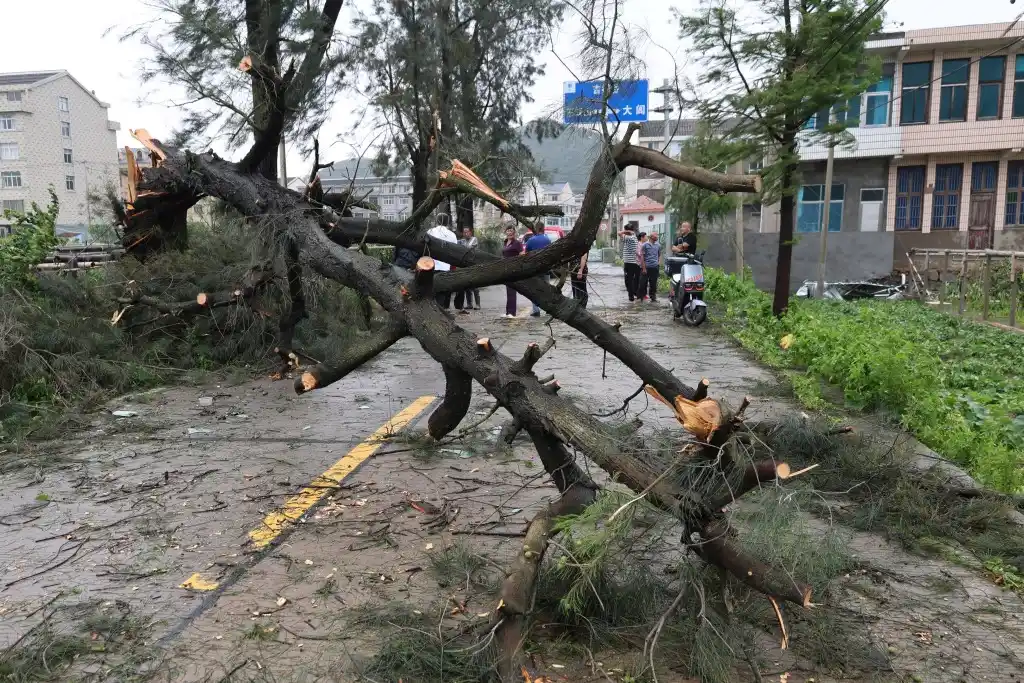
China has evacuated nearly two million people as a powerful typhoon makes landfall, bringing dangerous winds, heavy rain, flooding risks, and widespread emergency preparations.
Powerful Typhoon Strikes China as Nearly Two Million People Evacuated
China has launched one of its largest emergency responses of the year after a powerful typhoon made landfall, forcing authorities to evacuate nearly two million residents from vulnerable areas as officials prepared for dangerous winds, heavy rainfall, and potential flooding.
The storm prompted widespread safety measures across affected coastal regions, including evacuation orders, transportation disruptions, school closures, and emergency preparations. Authorities moved quickly to protect residents living in areas most vulnerable to storm surges, landslides, and severe weather conditions.
The massive evacuation reflects China’s extensive disaster response system, which relies on early warnings, organized relocation efforts, and coordination between government agencies, emergency responders, and local communities.
As the typhoon moved inland, officials continued monitoring its path and assessing potential damage while urging residents to remain cautious and follow safety instructions.
Typhoon Brings Dangerous Conditions Along China’s Coast
Typhoons are among the most powerful weather systems affecting coastal regions of Asia. These storms can bring destructive winds, intense rainfall, coastal flooding, and dangerous waves that threaten communities near the shoreline.
The latest storm arrived with significant strength, leading meteorological authorities to issue warnings for affected provinces and cities. Residents were advised to prepare for possible power outages, transportation delays, flooding, and damage to homes and infrastructure.
Coastal communities are especially vulnerable during major typhoons because strong winds can combine with rising ocean levels to create storm surges. These conditions can quickly overwhelm low-lying areas and put thousands of people at risk.
Officials emphasized that early evacuation was necessary to reduce potential casualties and allow emergency teams to respond more effectively.
Why Nearly Two Million People Were Evacuated
The decision to evacuate such a large number of residents was based on concerns about the storm’s intensity and the potential dangers associated with extreme weather.
Evacuations are commonly ordered when authorities believe remaining in certain locations could put people at serious risk. Areas near coastlines, rivers, mountains, and flood-prone zones are often prioritized because they face greater threats during severe storms.
Residents were moved to temporary shelters, including schools, public buildings, and emergency facilities equipped to provide basic necessities such as food, water, and medical assistance.
Emergency workers helped coordinate transportation and relocation efforts, particularly for elderly residents, children, and people requiring additional support.
Officials have repeatedly emphasized that evacuations are a preventive measure designed to save lives before dangerous conditions become unavoidable.
China’s Emergency Response and Disaster Preparation
China has developed extensive disaster management systems due to its frequent exposure to extreme weather events, including typhoons, floods, and landslides.
Before the storm arrived, authorities activated emergency response plans involving local governments, rescue teams, transportation departments, and weather agencies.
Preparations included strengthening flood control measures, securing infrastructure, monitoring vulnerable locations, and preparing emergency supplies.
Rescue teams were placed on standby with equipment needed for possible flooding, search operations, and emergency assistance. Authorities also increased monitoring of rivers, reservoirs, and coastal areas where water levels could rise quickly.
The response demonstrates the importance of preparation when dealing with large-scale natural disasters. Early action can significantly reduce risks and improve the ability to respond after a storm strikes.
Impact on Transportation and Daily Life
The typhoon disrupted daily activities across affected regions as authorities took precautionary measures to protect residents.
Transportation systems were among the first areas affected, with some flights, trains, and ferry services delayed or canceled due to dangerous weather conditions.
Schools and businesses in some locations temporarily closed as officials prioritized public safety. Residents were encouraged to stay indoors and avoid unnecessary travel during periods of strong winds and heavy rain.
Storm-related disruptions can have significant economic effects, especially in coastal areas where tourism, fishing, shipping, and agriculture play important roles.
Businesses often face temporary closures, while farmers may experience crop damage caused by flooding and strong winds.
The Threat of Flooding and Extreme Rainfall
One of the biggest dangers associated with powerful typhoons is flooding.
Heavy rainfall can overwhelm drainage systems, cause rivers to rise rapidly, and create dangerous conditions in urban and rural areas. Flooding can damage homes, roads, bridges, and essential services.
Mountainous areas face additional risks because intense rainfall can trigger landslides and mudflows. Communities located near slopes and rivers are often placed under heightened warnings during major storms.
Authorities have urged residents to avoid flooded roads and waterways, as moving water can be extremely dangerous even when it appears shallow.
Emergency officials continue monitoring weather conditions closely because flooding risks can remain even after a typhoon weakens.
Communities Prepare for the Storm’s Aftermath
While immediate safety is the priority during a typhoon, communities must also prepare for recovery efforts after the storm passes.
Damage assessments typically begin once conditions become safe enough for emergency teams to enter affected areas. Officials inspect roads, buildings, power systems, and public facilities to determine the extent of repairs needed.
Recovery can take days, weeks, or even months depending on the severity of the damage.
Residents affected by storms often face challenges including property damage, temporary displacement, loss of income, and difficulties accessing essential services.
Government agencies and relief organizations usually work together to provide assistance, restore infrastructure, and support affected communities.
Typhoon Preparedness Becomes More Important as Extreme Weather Increases
The evacuation highlights the growing importance of disaster preparedness as extreme weather events become a major concern worldwide.
Scientists have continued studying how climate patterns influence the intensity and behavior of storms. While individual storms cannot be attributed solely to climate change, researchers have examined how warmer ocean temperatures and changing atmospheric conditions may influence extreme weather patterns.
For countries regularly affected by typhoons, preparation and early warning systems remain essential tools for reducing risks.
Investments in stronger infrastructure, improved forecasting technology, and public education programs help communities respond more effectively when severe weather threatens.
Lessons From China’s Large-Scale Evacuation
The massive evacuation demonstrates how early preparation can play a critical role during natural disasters.
Moving millions of people requires careful planning, communication, transportation coordination, and cooperation between authorities and residents.
One of the biggest challenges during large evacuations is ensuring that people receive accurate information quickly. Clear communication helps prevent confusion and allows communities to respond effectively.
Experts often emphasize that disaster preparedness is not only the responsibility of governments. Individuals and families also play an important role by understanding emergency plans, preparing supplies, and following official instructions.
Global Attention on the Typhoon’s Impact
Major typhoons affecting China often receive international attention because of the country’s large population, economic importance, and role in global supply chains.
Severe storms can affect shipping routes, manufacturing operations, agriculture, and regional transportation networks.
International observers also monitor major weather events because lessons learned from disaster responses can help other countries improve their own emergency planning.
The response to this typhoon provides another example of how governments and communities prepare for increasingly complex weather challenges.
What Happens Next After Landfall
Following landfall, authorities will continue monitoring the storm’s movement, assessing damage, and supporting recovery operations.
Residents in affected areas are expected to remain alert for continued risks, including flooding, falling debris, power disruptions, and hazardous road conditions.
Emergency officials typically advise people not to return to evacuated areas until authorities confirm that conditions are safe.
The coming days will provide a clearer picture of the storm’s overall impact, including damage estimates and recovery needs.
Final Thoughts
China’s evacuation of nearly two million people ahead of and during a powerful typhoon demonstrates the scale of preparation required when facing major natural disasters.
While the storm has created serious challenges for communities, the early evacuation response highlights the importance of planning, weather monitoring, and public cooperation.
As extreme weather events continue affecting countries around the world, disaster preparedness remains one of the most important tools for protecting lives.
The full impact of the typhoon will become clearer as recovery efforts continue, but the response serves as a reminder that early action and coordinated emergency planning can make a significant difference during times of crisis.
References
- China Meteorological Administration – Official Weather Information
- World Meteorological Organization (WMO) – Tropical Cyclone Information
- National Emergency Management Agency of China – Disaster Response Information
- United Nations Office for Disaster Risk Reduction (UNDRR) – Disaster Preparedness Resources
- National Oceanic and Atmospheric Administration (NOAA) – Hurricanes and Tropical Cyclones
- International Federation of Red Cross and Red Crescent Societies – Disaster Response Information
 Jenn Sass