
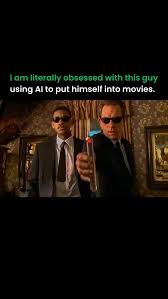
As AI-generated entertainment continues to enter mainstream conversation, meme culture has done what it always does first: reduce complexity into instantly shareable humor. Across platforms in 2026, the rise of AI actors, synthetic voices, and digitally generated performances has already been absorbed into reaction cycles that move faster than the actual debate itself.
What’s striking is how quickly the internet flattens technical and ethical discussions into recognizable meme formats. Instead of long arguments about authorship, labor, or creative ownership, the dominant response is humor—jokes about “perfectly unemotional performances,” “actors who never age,” or “characters that can be regenerated after cancellation.”
This reaction pattern reflects a broader cultural reflex. When a topic feels large, uncertain, or difficult to fully define, meme culture tends to simplify it into something emotionally immediate. AI actors, which sit at the intersection of technology, identity, and creativity, become ideal material for this kind of processing.
The speed of this transformation is what stands out. Before industry panels, think pieces, or formal policy discussions fully develop, audiences have already created visual jokes, edited clips, parody “casting announcements,” and fictional scenarios involving entirely synthetic celebrity careers. The conversation begins in satire before it stabilizes in analysis.
Part of this is driven by familiarity. The internet has already gone through multiple waves of reaction to digital culture shifts—from deepfake videos to virtual influencers to AI-generated art. Each cycle builds a shared language of humor that gets reused and adapted as new versions of the technology appear.
AI actors, in particular, trigger a specific type of meme logic: the uncanny but functional performer. Jokes often focus on their perceived “perfection,” lack of unpredictability, or infinite adaptability. The humor comes from exaggerating those traits into absurd scenarios, like actors who never miss a line, never age, and can be rewritten mid-performance.
At the same time, meme culture also acts as a form of early commentary. By joking about AI actors before consensus forms, audiences are indirectly expressing uncertainty, skepticism, curiosity, and sometimes acceptance. Humor becomes a way to process a technology that is still socially unresolved.
This creates a feedback loop between innovation and reaction. As AI-generated entertainment evolves, so does the humor surrounding it. Each new capability adds another layer of material for memes, which in turn shapes how the public emotionally frames the technology before formal narratives fully catch up.
Importantly, this doesn’t neutralize the seriousness of the debate—it coexists with it. While industry experts discuss ethics, regulation, and creative ownership, meme culture operates in parallel, translating those same issues into fast, emotionally readable content that spreads far more widely.
Ultimately, “The Internet Already Turned AI Actors Into Memes” highlights a defining pattern of 2026: cultural understanding doesn’t wait for resolution. It begins immediately, often in humor, and moves forward in fragments long before the conversation is officially complete.
 Mark Shlart