
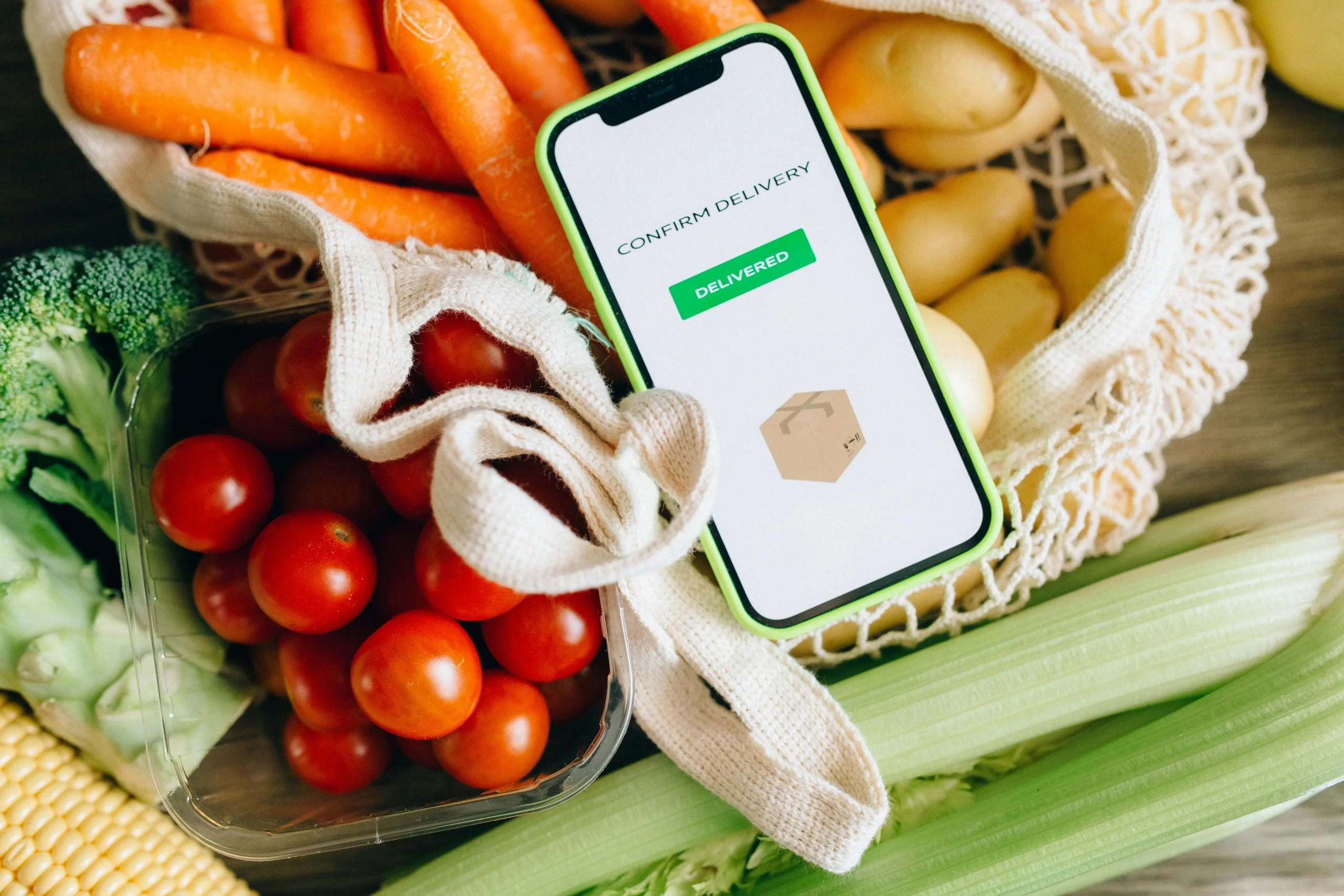
With just a few taps on your smartphone, a hot meal from your favorite restaurant, a week’s worth of groceries, or a late-night snack can appear at your doorstep as if by magic. Companies like DoorDash, Uber Eats, and Instacart have revolutionized convenience, weaving themselves into the fabric of modern life.
But this seamless convenience comes with a complex and often invisible price tag. The simple act of ordering a burger from your phone sets in motion a complex system with hidden costs and consequences—for your wallet, for local businesses, and for the very workers who make this “magic” possible.
It’s time to pull back the curtain on the business of delivery. Here are five secrets your favorite delivery apps are hiding behind the screen.
1. The Price Illusion: Menu Markups and a Maze of Fees
The most immediate secret is a financial one: the price you see for an item on a delivery app is often not the real price. To offset the enormous commission fees charged by the apps—which can range from 15% to a staggering 30% per order—many restaurants are forced to inflate their menu prices directly on the platform. That $15 burrito at the restaurant might be listed as $18 on the app before a single fee is added.
But the menu markup is just the beginning. The apps have mastered the art of “fee stacking.” When you proceed to checkout, you’re hit with a dizzying array of charges:
- The Delivery Fee: The basic cost to have the item brought to you.
- The Service Fee: An opaque percentage-based fee that covers the app’s “platform costs.”
- The Small Order Fee: A penalty for not spending enough money.
- Regulatory Response Fees: In cities like Seattle that have passed laws to protect drivers, apps have tacked on an extra “City Fee” of up to $5, passing the cost of regulation directly to you.
When you add taxes and a tip for the driver (which is essential, as we’ll see), a simple $20 order can easily balloon to over $30. This complex and often confusing fee structure is intentional; it makes it difficult for consumers to compare true costs and obscures how much they’re really paying for the convenience.
2. The Restaurant That Isn’t There: The Deception of “Ghost Kitchens”
You scroll through Uber Eats, excited by the sheer variety of new restaurants. You see “Tony’s Authentic Pizzeria,” “Wild WingZ,” and “The Bodega Sandwich Co.,” all serving your neighborhood. You might assume you’re supporting three different local businesses. The secret? All three “restaurants” could be operating out of a single, windowless shipping container in an industrial park.
Welcome to the world of ghost kitchens and virtual brands. These are delivery-only cooking facilities that exist solely on apps. They have no storefront, no seating, and no physical presence in the community. A single ghost kitchen can operate dozens of different digital “brands” simultaneously from the same kitchen, using the same staff and ingredients. This creates a powerful illusion of choice while a single entity captures the profits. This practice misleads customers about the origin and quality of their food and allows tech companies and large corporations to directly compete with the very local restaurants they claim to serve.
3. The Human Cost: The Precarious World of the Gig Worker
The entire delivery ecosystem is built on the backs of its drivers and shoppers, who are classified not as employees, but as “independent contractors.” This legal distinction is the core of the business model, and it hides a precarious reality.
The Secret: As independent contractors, these workers are not entitled to the basic protections afforded to employees. This means no guaranteed minimum wage, no overtime pay, no health insurance or benefits, no paid sick leave, and no workers’ compensation if they’re injured on the job. Furthermore, the workers bear all the operational costs themselves: gas, commercial auto insurance, and the constant wear and tear on their personal vehicles.
Their pay is determined by opaque algorithms that combine a low base pay with occasional promotions and, most critically, customer tips. This makes their income incredibly unstable and often very low, forcing a heavy reliance on the generosity of strangers to make a living wage. The convenience you experience is directly subsidized by the risks and costs absorbed by a vulnerable, unprotected workforce.
4. You’re Not the Customer, You’re the Data Point
When you use a delivery app, you are generating a treasure trove of incredibly valuable data. The companies know what you like to eat, what time you order, where you live, how much you’re willing to spend, and even your dietary habits.
The Secret: While this data is used to personalize your experience, its real value is far greater. Your data is the core asset that fuels the company’s growth and intelligence operations. It’s used to:
- Create Competing Products: By analyzing city-wide food trends, an app can identify what’s popular and profitable. They can then launch their own “virtual brands” from ghost kitchens to compete directly with their restaurant “partners,” or create their own delivery-only convenience stores like DoorDash’s DashMart.
- Drive Hyper-Targeted Marketing: The data allows them to create incredibly specific user profiles to encourage more frequent and more expensive orders.
- Sell Aggregated Insights: This anonymized data on neighborhood-level consumer habits is immensely valuable to other businesses, from real estate developers deciding where to build to CPG brands planning new products.
Your late-night craving for ice cream isn’t just a transaction; it’s a data point that feeds a massive, multi-billion-dollar intelligence machine.
5. The “Partnership” That Squeezes Restaurants Dry
Delivery apps market themselves as “partners” to local restaurants, offering them a lifeline to a larger customer base. For many small restaurant owners, however, this partnership feels more like an abusive, extractive relationship they can’t afford to leave.
The Secret: The high commission fees of up to 30% can completely wipe out a restaurant’s already razor-thin profit margins, turning a busy night of delivery orders into a money-losing endeavor. But the deeper, more existential threat is the loss of the customer relationship. The app, not the restaurant, owns the customer data, controls the marketing, and manages the communication. The local restaurant you love is reduced to a simple contract cook, a fulfillment center for a powerful tech intermediary that stands between them and their own community. This erodes the restaurant’s brand, their ability to build loyalty, and their long-term viability in a digital world.
 Jenn Sass