
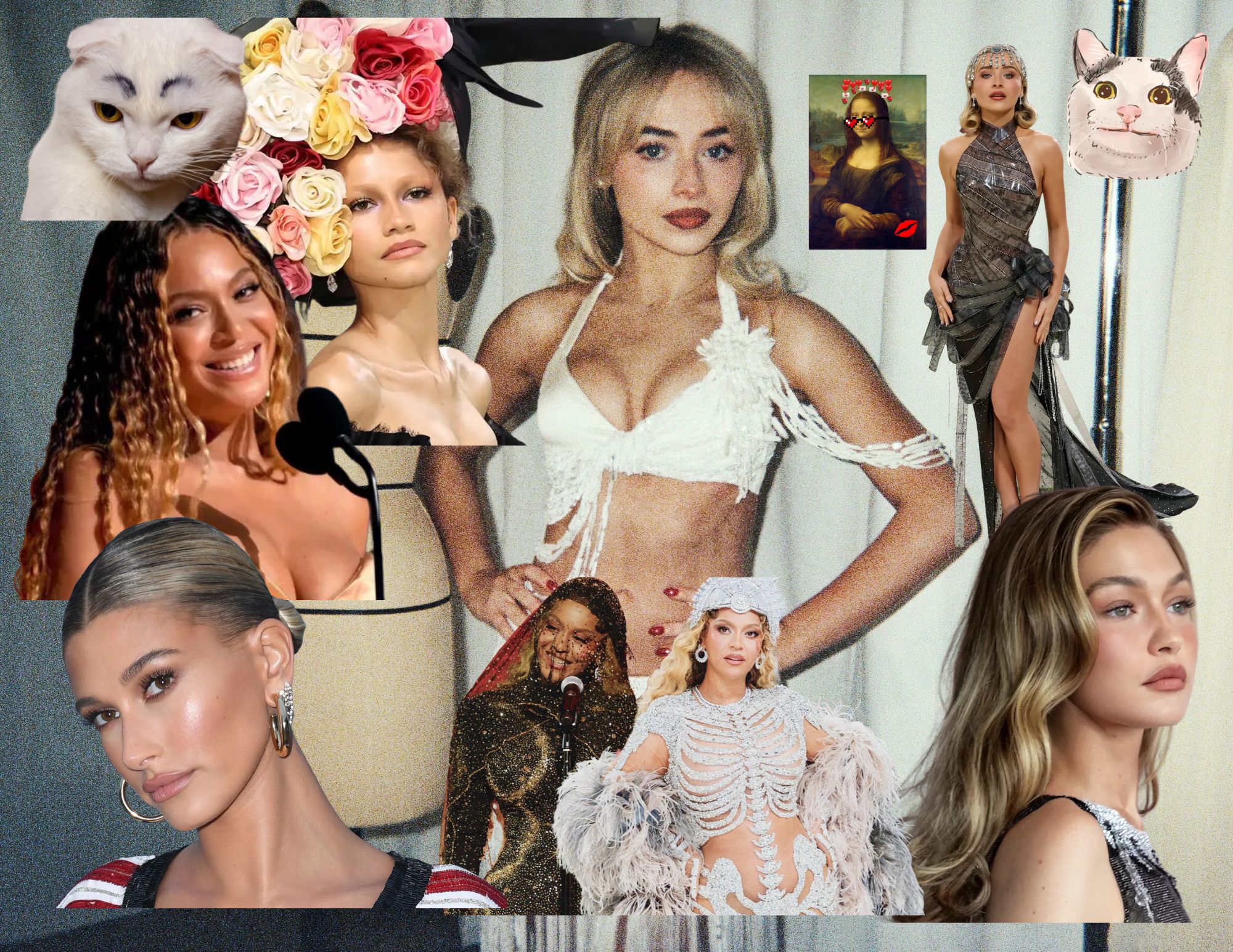
In 2026, meme culture has become the default language of online reaction. Any celebrity moment—whether serious, emotional, accidental, or carefully planned—can be transformed into humor within minutes of appearing online.
What once might have been discussed through interviews or long-form commentary is now often filtered first through jokes, edits, and remix formats. The meme becomes the first interpretation layer, and sometimes the most widely shared one.
This shift is not random. It reflects how modern platforms prioritize speed, engagement, and repeatability. Memes are easy to consume, easy to share, and easy to modify. They travel faster than traditional explanations because they require almost no context to participate in.
A single facial expression, awkward pause, or unexpected line can be extracted from its original setting and reinterpreted across thousands of posts. Once this happens, the original context becomes secondary to the new meaning created by collective remixing.
Reaction cycles now evolve in stages. First comes the original moment. Then immediate jokes and captions. Then reposted variations. Then commentary on the memes themselves. Each stage increases visibility while moving further away from the source material.
In many cases, the meme version of an event becomes more recognizable than the actual event. People may remember the joke format or viral caption without recalling the full context it came from.
This dynamic has changed how public conversations function. Serious topics are often compressed into shareable formats that prioritize humor or relatability. While this increases reach, it can reduce nuance and simplify complex situations into easily digestible fragments.
At the same time, meme culture serves as a coping mechanism for digital overload. With constant exposure to news, entertainment, and controversy, humor provides a way for audiences to process information quickly without fully engaging with emotional weight.
However, this also blurs the line between entertainment and discussion. When everything becomes a meme, it becomes harder to distinguish between commentary, criticism, and casual humor.
Algorithms reinforce this behavior by amplifying content that generates strong engagement. Memes consistently perform well because they invite participation—users don’t just consume them, they recreate and redistribute them.
Celebrity moments are especially prone to this transformation because they already exist in highly visible spaces. Public appearances, interviews, and social media posts are instantly available for reinterpretation by large audiences.
Over time, this creates a cycle where cultural meaning is continuously rewritten. A moment is not fixed at the point of occurrence; it evolves as it is reshared, re-captioned, and recontextualized across platforms.
Ultimately, “The Internet Turned Another Celebrity Moment Into Memes” reflects a defining feature of 2026 digital culture: humor is no longer just a response to culture—it has become one of the primary systems through which culture is understood, distributed, and remembered online.
References
- https://www.pewresearch.org/internet/
- https://www.technologyreview.com
- https://reutersinstitute.politics.ox.ac.uk
- https://cyber.fsi.stanford.edu/io
- https://www.brookings.edu/topic/misinformation/
 Mark Shlart