
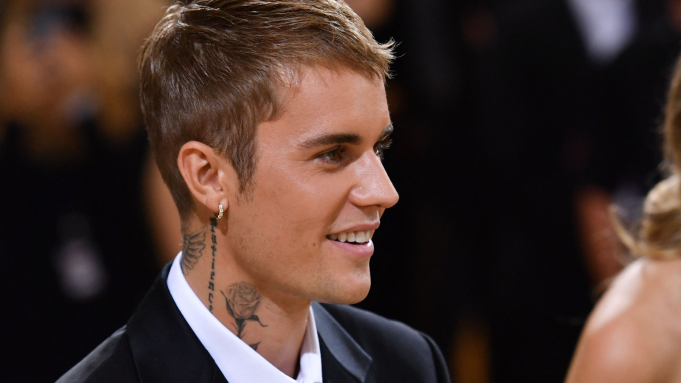
Hollywood has always thrived on spectacle, but a subtle shift is occurring: satire is no longer fueled by outrage—it’s fueled by boredom. Audiences have grown accustomed to constant drama, manufactured scandals, and overproduced narratives. The result? Most celebrity chaos now feels predictable, underwhelming, and, frankly, uninteresting.
Platforms like TikTok, Instagram, and X showcase this trend vividly. Clips of celebrity arguments, PR blunders, or public feuds are no longer widely shared for shock value—they are memed for monotony. Viewers scroll past, comment with sighing emojis, or mock the familiarity of the scenario rather than express outrage.
The problem isn’t that Hollywood misbehaves—it’s that audiences have seen it all before. Leaked posts, sudden rebrands, and staged apologies follow a familiar arc. The punchline is gone because the setup has become rote. Even figures like Kim Kardashian, Miley Cyrus, and Justin Bieber, whose antics once dominated headlines, now provoke more eye rolls than gasps.
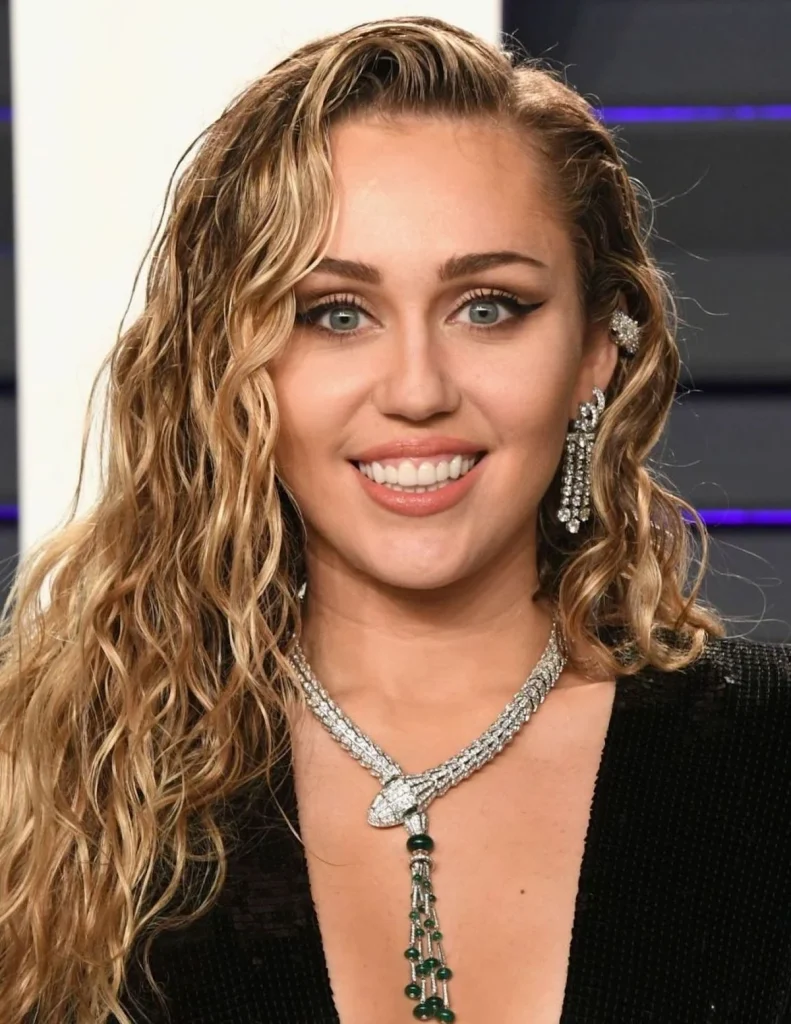
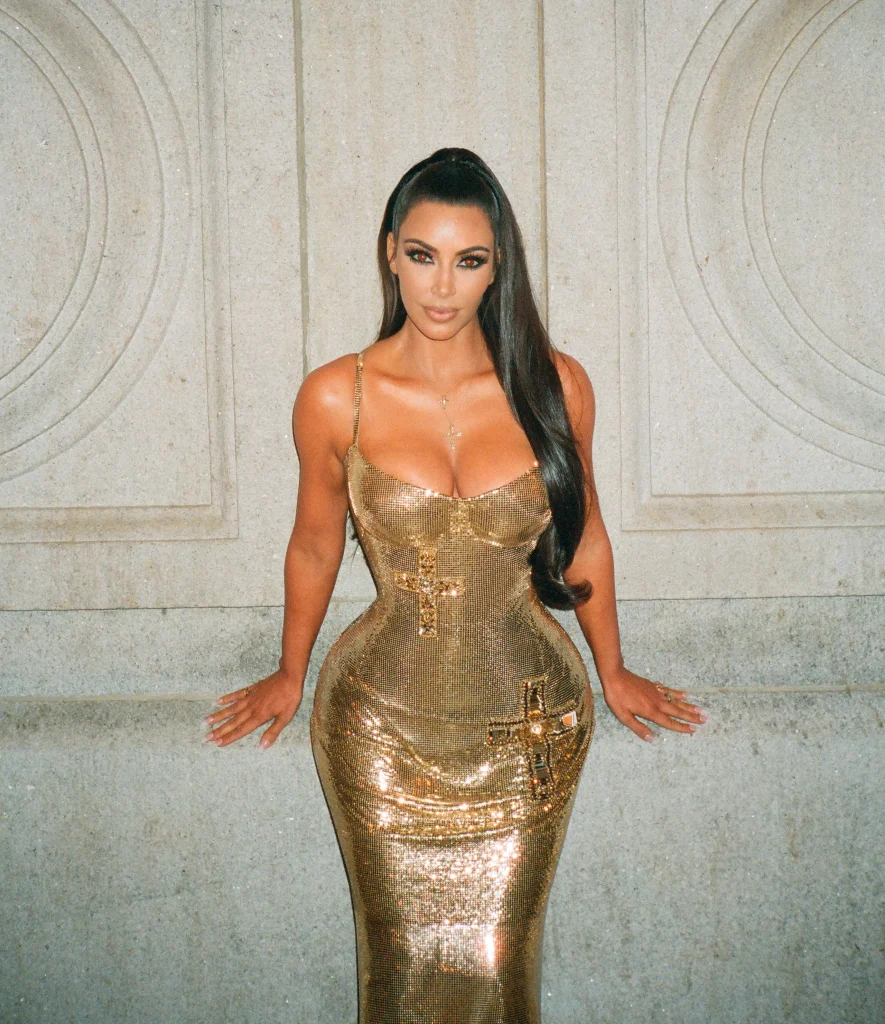
This boredom-driven satire reflects an evolved media literacy. People recognize scripts, anticipate outcomes, and disengage when stakes feel artificial. Outrage fatigue has made predictable drama ineffective; entertainment now comes from clever commentary on the absurdity itself, not the scandal.
Ironically, this trend highlights how deeply entertainment and commentary are entwined. Audiences are no longer passive—they are meta-audiences, laughing at the performance of celebrity drama rather than the drama itself. The spectacle has shifted from action to interpretation.
For Hollywood, the lesson is clear: repetitive drama risks irrelevance. Creativity, authenticity, and surprise are required to capture attention. Boredom, not backlash, is the new critique. In a culture saturated with staged spectacle, even high-profile conflicts must innovate or fade into white noise.
 Mark Shlart