
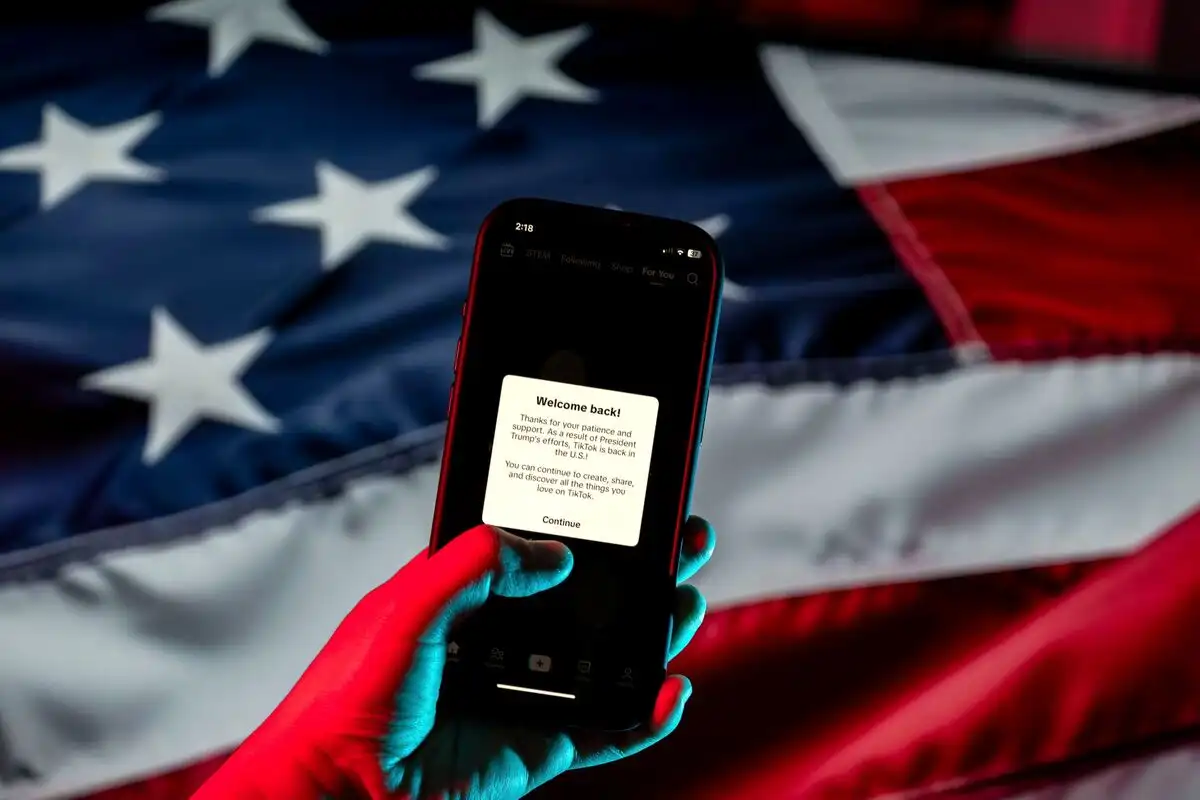
TikTok, the short‑video app that has dominated social media for years, has survived what once seemed like an imminent ban in the United States — but not without controversy. Despite longstanding national security concerns about the app’s ties to China, Americans are increasingly focused on entertainment and engagement rather than geopolitical risk. A recent Economist cover story even calls TikTok “still a danger” while arguing that the U.S. has essentially moved on amid a political compromise that leaves the platform operational under new ownership arrangements.
Here’s why TikTok’s future still matters, what the new ownership deal really looks like, and why critics say the risks remain even as the controversy fades from the spotlight.
What Happened: From Ban Threat to New Ownership Deal
For years, TikTok’s Chinese parent company ByteDance has been in Washington’s crosshairs. U.S. lawmakers and national security officials argued that the app could expose American user data to the Chinese government or be used for influence operations — a major concern given tens of millions of U.S. users and extensive behavioral data collected by the platform.
A 2024 law required TikTok to divest from Chinese control by early 2025 or risk being removed from app stores, an effort backed by politicians from both major parties. Congress passed the law alongside other measures aimed at curbing foreign adversaries’ access to U.S. data and technologies.
Rather than banning the platform outright, the Trump administration negotiated a divestiture deal that would allow TikTok to remain available in the U.S. if its operations were primarily owned and governed by non‑Chinese entities. In the final agreement, the app’s U.S. operations will be controlled by a group of investors that includes Oracle, Silver Lake, and a UAE firm called MGX, among others, while ByteDance retains a 19.9 % minority stake — the maximum permitted under the law.
Why Critics Say the Risk Remains
Even as the legal threat of a ban has diminished, many experts continue to question whether the deal actually mitigates the concerns that sparked the original crackdown. Critics point to several unresolved issues:
1. ByteDance Still Has Influence
Although ByteDance’s ownership stake is capped below 20 %, that minority share — combined with its ongoing role in algorithm development and licensing — leaves open questions about how much influence the Chinese parent company could still wield. Some analysts argue that the algorithm’s origin and updates may still indirectly rely on ByteDance expertise.
2. Continued Technical Links
Many aspects of TikTok’s core recommendation system — the algorithm that drives engagement — have been developed over years by ByteDance engineers and remain licensed technology. While U.S. partners like Oracle are expected to retrain or manage the system based on American user data, the technical complexities of fully disentangling from ByteDance remain a concern for some observers.
3. National Security Concerns
Privacy advocates argue that simply shifting ownership doesn’t eliminate all risk. Algorithms, data flows, and even minority ownership can present vectors for influence or exploitation if not properly audited and controlled. The broader context of U.S.–China tech tensions — involving AI chips, data security frameworks, and cross‑border regulations — means TikTok’s case sits within a larger debate about foreign access to American information systems.
Why America Seems to Care Less
Despite these lingering concerns, the fervor that once animated calls for TikTok’s ban has faded somewhat. A few reasons help explain this shift:
1. Popularity and Cultural Integration
TikTok is deeply embedded in American digital culture, with hundreds of millions of users across the U.S. engaging with content, trends, and communities on the platform. That widespread use makes policymakers and the public wary of disrupting an app that serves not just entertainment but also small businesses, creators, and advertising ecosystems.
2. Political and Business Priorities
The new ownership deal — facilitated by political allies of the president and major American companies — reflects a political calculus that prioritizes economic continuity and technological competitiveness over an outright shutdown. Some see this as privileging business interests and political alliances over strict national security precaution.
3. Shifting Media Attention
Media and public attention have largely moved on from TikTok’s national security controversy to other global and domestic concerns. While the threat never fully disappeared, it no longer dominates headlines or campaign messaging the way it once did, suggesting a degree of public fatigue or pragmatism about the issue.
The Broader Context: U.S.–China Tech Competition
TikTok’s saga fits into the larger landscape of American efforts to manage technology and data security in a world of strategic rivalry with China. Lawmakers have increasingly focused on cross‑border data flows, ownership structures, and digital platforms as critical spaces where national security and economic power intersect.
The TikTok divestiture deal may not satisfy the strictest critics, but it represents a pragmatic compromise — one that allows the platform to continue operating, preserves user access, and attempts to align governance with U.S. interests. Whether this balance of commerce and caution truly addresses risks is something policymakers, technologists, and the public will continue to debate.
Final Thoughts
TikTok’s journey from near‑ban to survival through a domestic ownership restructuring highlights the evolving nature of technology policy in the U.S. What was once seen as a clear national security threat is now managed through corporate restructuring and investor partnerships — even as ties to the app’s Chinese origins remain a sticking point.
As TikTok continues to thrive with millions of American users, the tension between digital freedom, economic interests, and national security risk remains at the heart of the conversation — showing that America may no longer be focused on banning the app, but it hasn’t fully resolved the concerns that made TikTok a lightning rod in the first place.
 Jenn Sass