
Hollywood has long been the epitome of glamour and allure — a place where dreams are made and broken under the relentless gaze of the spotlight. But behind the shining red carpets and dazzling premieres, Hollywood’s less flattering truths simmer just beneath the surface. As 2026 unfolds, the entertainment industry continues to be embroiled in a whirlwind of scandals, controversies, and shocking revelations that show fame is anything but clean. From celebrity arrests to explosive legal battles, divisive politics, and the cultural clashes playing out in awards shows and social media, the stories shaping Hollywood today reveal a complex web of power, ambition, and human frailty.
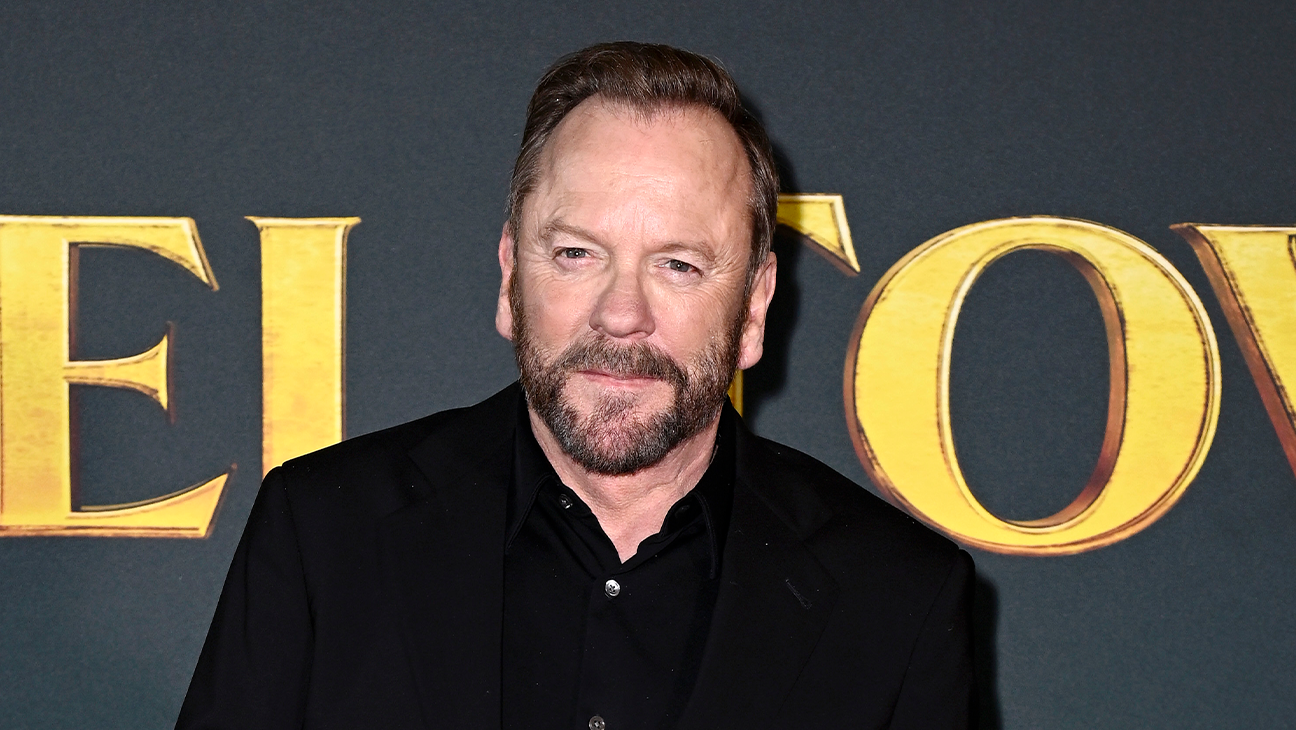
One of the most headline-grabbing incidents in early 2026 involved veteran actor Kiefer Sutherland, whose recent arrest in Los Angeles stunned fans and industry insiders alike. Known for his iconic role in 24, Sutherland was charged following an alleged altercation with a rideshare driver. While no major injuries were reported, the charges of assault and criminal threats led to his posting of a $50,000 bail and an ongoing investigation. This unexpected legal trouble sparked renewed conversations about accountability for stars who once seemed untouchable, highlighting how the pressures of fame can sometimes unravel even the most seasoned performers.
Adding to the year’s grim headlines was the tragic murder case involving filmmaker Rob Reiner and his wife, Michele Singer Reiner, who were found dead in their Brentwood home in late 2025. The shocking nature of their deaths, coupled with the arrest of their son, sent shockwaves through Hollywood and beyond. The case has not only dominated news cycles but also spawned numerous investigative documentaries, exposing deep family dysfunction and forcing the public to grapple with the darker realities behind celebrity facades. This tragedy underscores that even those who craft stories for the screen can be victims of harrowing real-life drama.
Beyond violent incidents, the entertainment industry has been navigating a string of legal battles that expose complex power dynamics and workplace issues. The fallout surrounding the film It Ends With Us illustrates how quickly professional disputes can escalate. Key figures like Justin Baldoni and Blake Lively found themselves entangled in lawsuits filled with allegations ranging from workplace misconduct to defamation. Although many claims were dismissed in court, the saga sheds light on the fragile relationships behind blockbuster productions and the growing intolerance for toxic environments on set. Meanwhile, other high-profile figures such as Sean “Diddy” Combs have faced criminal charges, with the rapper and mogul receiving a federal prison sentence that shocked the public and marked one of the most dramatic downfalls in recent memory. These stories contribute to an ongoing narrative about justice, power, and redemption within Hollywood’s elite circles.
Awards shows, traditionally celebrations of artistic achievement and industry camaraderie, have themselves become flashpoints of controversy. The 2026 Golden Globes were no exception. Hosted by the fearless comedian Nikki Glaser, the ceremony’s opening monologue took a no-holds-barred approach, skewering Hollywood’s power structures, the media’s complicity, and controversial scandals including references to the Jeffrey Epstein case. Glaser’s candidness garnered applause from many who see comedy as the last bastion of truth-telling in a polished industry, but it also sparked backlash. Conservative voices, most notably commentator Megyn Kelly, criticized both the tone and the recipients of awards, igniting heated debates over the role of politics and ideology in entertainment. Additionally, the decision to remove the Best Original Score category from the live broadcast offended many musicians and industry insiders who felt the art of scoring deserved more respect. Such moments reveal how Hollywood’s shiny veneer often conceals simmering tensions about representation, respect, and relevance.
Hollywood’s cultural landscape is further complicated by political divisions that increasingly influence careers and public perception. Actor Rob Schneider recently made headlines by asserting that conservative voices face subtle blacklisting in the industry. His claims reignited old disputes about whether Hollywood truly embraces free expression or imposes ideological conformity. These debates underscore how entertainment no longer exists in a vacuum; it reflects and shapes the nation’s polarized climate. Fans, critics, and creators alike wrestle with whether politics should inform casting decisions, storytelling, and access to opportunities.
Romance and heartbreak remain staple components of Hollywood gossip, offering the public a glimpse into the personal lives of stars that often feels more real than the films they star in. The past year saw several headline-making breakups, spanning musicians, actors, and even sneaker entrepreneurs, dominating tabloid pages and social media feeds. Yet, amid the drama, quieter relationships like that of Chris Pine and Keana Sky Wenger have gained attention for their low-key, genuine appeal. These stories of connection, heartbreak, and renewal resonate deeply because they humanize figures often mythologized and scrutinized, reminding us that even celebrities face love’s triumphs and trials.
Comedy continues to serve as a sharp, insightful lens into Hollywood’s contradictions and hypocrisies. The 2025 television series All’s Fair, led by Kim Kardashian, was widely panned as one of the worst shows ever made, yet Kardashian’s strategic embrace of the ridicule turned negative press into viral fame. This savvy use of infamy highlights how modern celebrities can manipulate their own narratives in a media landscape driven by clicks and controversy. Meanwhile, stand-up comedians like Nikki Glaser have become de facto cultural critics, using humor to call out industry absurdities and hypocrisies in ways that formal reporting cannot. Their jokes reveal uncomfortable truths and challenge audiences to reconsider their perceptions of fame, success, and integrity.
Online platforms have amplified Hollywood dirt beyond traditional gossip columns, creating an environment where anonymous rumors and blind items fuel nonstop speculation. The internet’s power to circulate unverified claims poses real risks, as demonstrated by the recent spread of accusations involving starlets and allegations of abuse. Even major stars like Robert Downey Jr. have had to publicly deny being involved in such anonymous gossip networks, though denials often lead to more intrigue rather than closure. This digital rumor mill reflects a broader trend where celebrity reputations can be built or dismantled overnight based on often murky sources, raising questions about ethics and accountability in the age of social media.
Beneath these individual stories lies a deeper critique of Hollywood as an institution grappling with systemic issues. Persistent accusations of racism, sexism, and homophobia continue to challenge the industry’s claims of progressiveness. Interviews with prominent actors and directors reveal an ongoing struggle to dismantle entrenched biases and create genuinely inclusive workplaces. Moreover, the long-term effects of the #MeToo movement are still unfolding. While significant strides have been made in addressing sexual misconduct and abuse of power, many artists and crew members report that the industry remains fraught with inequality and structural obstacles. These realities paint a picture of an industry in transition — eager to change but hindered by its own history and economic imperatives.
Social media platforms like Reddit and TikTok have transformed how celebrity culture operates, making audiences active participants in shaping narratives. Subreddits dedicated to entertainment gossip, such as Teatime & Trending Topics, merge verified news with fan theories and blind speculation, creating a vibrant but chaotic ecosystem of information. The lines between fact and rumor blur, and the court of public opinion often delivers swift judgments that can make or break careers. This democratization of gossip empowers fans but also complicates the management of privacy and truth in a world where every moment can be recorded and dissected.
The inevitability of mortality continues to cast a shadow over Hollywood, as the deaths of beloved figures remind fans of the fragile humanity behind celebrity icons. The past year saw mournful retrospectives and celebrations of life that paused the often relentless churn of gossip and controversy. These moments highlight a universal truth: beyond fame and scandal, celebrities are human beings whose lives and legacies touch millions. They also serve as sobering reminders of fame’s fleeting nature and the importance of compassion amid the spectacle.
Looking ahead, Hollywood’s landscape promises to remain as turbulent and compelling as ever. Legal battles will continue to unfold, awards ceremonies will keep reflecting broader cultural conflicts, and the rapid pace of social media will ensure that every misstep and triumph is scrutinized in real time. Stars will navigate the tightrope of heroism and controversy, while audiences will seek stories that offer depth beyond glossy surface images.
Hollywood dirt in 2026 is far more than petty gossip. It is a complex narrative about power, identity, justice, and survival within one of the world’s most influential industries. The secrets once kept behind velvet ropes now play out on global news feeds, challenging both the industry and its audiences to confront the messy realities beneath the glamor. As Hollywood reinvents itself, the dirt will keep coming — messy, compelling, and impossible to ignore.
 Mark Shlart