
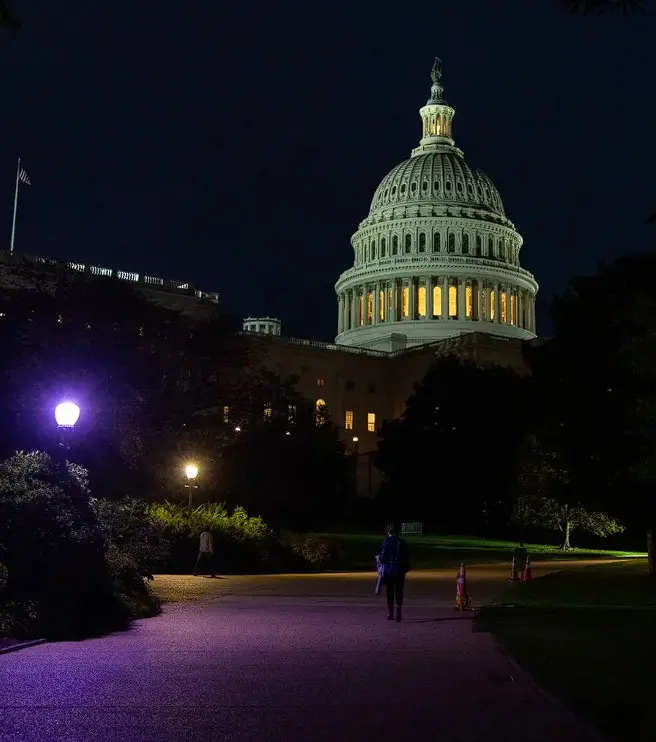
As the United States faces a looming government shutdown this week, federal agencies are scrambling to finalize their contingency plans. This impending shutdown marks a significant moment in American governance, with potential widespread impacts on federal employees, services, and the economy. Understanding the mechanics of a government shutdown and its implications is crucial for citizens and policymakers alike.
What Triggers a Government Shutdown?
A government shutdown occurs when Congress fails to pass appropriations bills or continuing resolutions to fund federal agencies before the start of the fiscal year on October 1. Without these funding measures, agencies are prohibited from spending money, leading to the cessation of non-essential services. The Antideficiency Act mandates that federal agencies cannot incur obligations or make expenditures in the absence of appropriations, except in cases of emergency involving the safety of human life or the protection of property.
Immediate Effects on Federal Agencies
1. Federal Aviation Administration (FAA)
In the event of a shutdown, the FAA would furlough approximately 11,000 employees, about a quarter of its workforce. Despite this, over 13,000 air traffic controllers and around 50,000 TSA employees would continue working without pay. Essential operations, such as aircraft safety certification and commercial space licensing, would persist, but staffing shortages could affect aviation efficiency and passenger experience.
2. Department of Education
The Department of Education plans to furlough about 87% of its staff, significantly reducing operations. While the Office of Federal Student Aid will continue disbursing Pell Grants and processing FAFSA forms, other functions, including civil rights investigations and the issuance of new federal education grants, will cease. This reduction in services may lead to delays and backlogs in educational support.
3. Immigration Services
The Department of Labor will halt all immigration-related functions during the shutdown, including processing Labor Condition Applications and PERM applications. The E-Verify system will also be taken offline, preventing employers from initiating or managing cases. While U.S. Citizenship and Immigration Services (USCIS) relies on filing fees and may continue operations with a diminished staff, significant processing delays are likely.
4. Social Security and Medicare
Mandatory spending programs like Social Security and Medicare will continue during the shutdown. However, routine interactions with the agencies may take longer if staffing levels are reduced. Beneficiaries can expect continued receipt of benefits, but delays in services such as public inquiries and benefit claims processing are possible.
Impact on Federal Employees
A government shutdown directly affects federal employees, leading to furloughs and unpaid work. The Congressional Budget Office estimates that up to 750,000 federal workers could be furloughed daily, resulting in approximately $400 million in lost compensation. While legislation passed in 2019 ensures retroactive pay for furloughed employees, the immediate financial strain can impact household budgets and consumer spending.
Economic Consequences
The economic ramifications of a government shutdown extend beyond federal employees. The 2018–2019 shutdown cost the U.S. economy an estimated $11 billion, primarily due to reduced consumer spending by federal workers. A prolonged shutdown could lead to decreased economic activity, affecting local economies and industries reliant on federal contracts and services.
Legal and Political Dimensions
The current shutdown is further complicated by political tensions. The Trump administration has directed agencies to prepare for permanent layoffs, marking a departure from precedent. Labor unions have filed lawsuits against the Office of Management and Budget and the Office of Personnel Management, alleging unlawful threats of mass layoffs during the shutdown. These legal challenges underscore the tension between established shutdown protocols and new directives that unions argue threaten federal job security and legal norms.
Public Services and Access
During a government shutdown, access to federal facilities and services may be restricted. Tours of federal sites, including the Smithsonian Museums, the U.S. Capitol, and the White House, will be suspended. While essential services like law enforcement and emergency medical care will continue, other services may experience delays or disruptions.
Strategies for Navigating the Shutdown
For individuals and businesses affected by the shutdown, several strategies can help mitigate its impact:
- Stay Informed: Monitor updates from federal agencies and lawmakers to stay informed about the status of the shutdown and its effects on services.
- Plan Financially: Prepare for potential delays in federal payments and services by adjusting budgets and exploring alternative resources.
- Seek Assistance: Contact congressional offices for support with federal services and to report issues arising from the shutdown.
Conclusion
A government shutdown is a complex event with far-reaching implications. Understanding its causes, effects, and strategies for coping can help individuals and communities navigate the challenges it presents. As negotiations continue in Congress, the hope is for a swift resolution that restores full government operations and minimizes disruptions to services and the economy.
Note: This article is based on information available as of October 1, 2025. For the most current updates, please refer to official government sources and news outlets.
Sources:
- “FAA would furlough 11,000 employees in US government shutdown.” Reuters. Link
- “Shutdown Could Leave 750,000 Federal Workers Furloughed, Says Congressional Budget Office.” Time. Link
- “What is a government shutdown and why is this year’s more serious?” The Guardian. Link
- “The government shutdown will halt some work at a diminished Education Department.” AP News. Link
- “Labor unions sue OMB, OPM for ‘unlawful’ threats of mass layoffs ahead of shutdown.” Politico. Link
- “Millions of seniors could lose access to telehealth without deal in Congress.” The Washington Post. Link
- “Government shutdown begins after federal funding expires.” The Washington Post. Link
- “Government Shutdown FAQ | U.S. Representative Ami Bera.” Link
- “Government Shutdown – Practical Effects.” Link
- “What a Government Shutdown Means for the Immigration System.” American Immigration Council. Link
- “Immigration Impacts During a Government Shutdown.” Ogletree Deakins. Link
- “2025 Federal Government Shutdown: Frequently Asked Questions (FAQ).” Link
- “Government Shutdown FAQs – Congressman Salud Carbajal.” Link
- “How the Federal Workforce is Impacted During a Government Shutdown.” Link
- “Government Shutdowns Q&A: Everything You Should Know.” Committee for a Responsible Federal Budget. Link
- “Potential Effects of a Federal Government Shutdown.” Congressional Budget Office. Link
- “Government shutdown.” Wikipedia. Link
- “SHUT-DOWN OF FEDERAL OPERATIONS—WHAT DOES IT MEAN TO ME?” Office of Personnel Management. Link
- “2025 Government Shutdown – Brittany Pettersen – House.gov.” Link
- “Government Shutdown Advisory: Summary of Possible Impacts.” Link
- “Just 23% of fed workers would be furloughed if government shuts down under Trump administration’s plan.” GovExec. Link
- “What to Expect During a Federal Government Shutdown.” ADP. Link
- “Government Shutdowns: Causes and Effects.” Brookings Institution. Link
- “How a government shutdown impacts federal pay and benefits.” Federal News Network. Link
- “Government Shutdown Resources.” U.S. Representative Ami Bera. Link
 Jenn Sass