
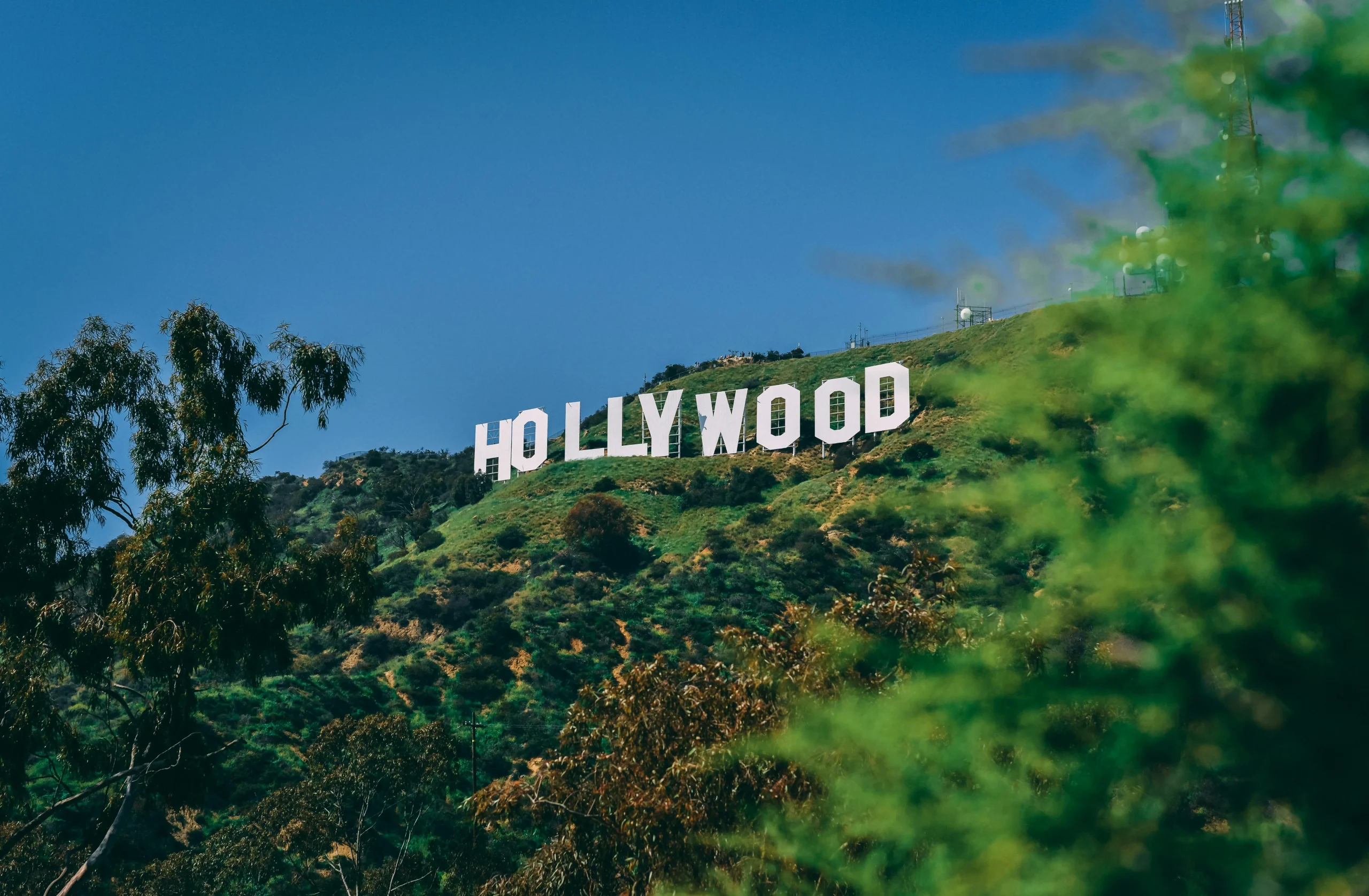
Hollywood is a land of dreams, a carefully constructed fantasy of glamour, fame, and fortune. Indeed, we see it on the red carpet, in the flash of paparazzi bulbs, and on the silver screen itself. However, beneath this shimmering facade lies a century of secrets—a dark history of exploitation, abuse, and corruption that the industry has spent billions to conceal.
The term “casting couch” has long been a euphemism for the horrific practice of demanding sexual favors for roles. However, it’s just one symptom of a much deeper disease. Ultimately, the real secrets of Hollywood are about the systemic abuse of power, where dreams are systematically crushed and individuals are treated as disposable commodities.
It’s time to pull back the curtain and go beyond the mere gossip that often surrounds Hollywood. For too long, the industry has masterfully crafted a dazzling facade, distracting the public with curated narratives and superficial scandals.
1. The “Casting Couch” and the Complicity Machine That Ran It
The casting couch is Hollywood’s oldest and ugliest open secret. For generations, the idea that aspiring actors and actresses were forced to trade sexual favors for a chance at stardom was whispered about, joked about, and ultimately, normalized.
The Secret: The true darkness of the casting couch isn’t just the act itself, but the vast, silent conspiracy that enabled it. The rise of the #MeToo movement and the downfall of predators like Harvey Weinstein finally exposed this “complicity machine.” It was a system where powerful executives, agents, lawyers, publicists, and even journalists were fully aware of the abuse and actively worked to cover it up. Agents would warn young clients about certain producers, but still send them into the room. Assistants would schedule the “meetings.” Lawyers would draft iron-clad non-disclosure agreements to buy victims’ silence.
How it Worked: This system created an environment where victims were isolated and powerless, while predators were shielded and emboldened. The message was clear: if you wanted a career, you played the game and kept your mouth shut. If you spoke out, you would be blacklisted, labeled as “difficult,” and your dreams would be turned to dust.
2. The Stolen Childhoods of Its Youngest Stars
Hollywood has a long and tragic history of chewing up and spitting out its child stars. For every child actor who successfully transitions to a healthy adult life, there are countless others whose stories end in addiction, mental health crises, and obscurity.
The Secret: The industry has consistently prioritized the profitability of child stars over their well-being. The classic example is Judy Garland, who, during her time at MGM in the 1930s and ’40s, was put on a grueling schedule and fed amphetamines (“pep pills”) to stay awake for long shoots and barbiturates to force her to sleep. She was relentlessly criticized for her weight and her childhood was effectively stolen from her, leading to a lifelong battle with addiction.
How it Worked: While laws like the Coogan Act were passed to protect a child actor’s earnings, they do little to protect them from the psychological trauma of immense pressure, public scrutiny, and unnatural working conditions. In many modern cases, the exploitation comes from the child’s own family, who see their son or daughter as a lottery ticket. The secret is that the “cute kid” on screen is often a product of an abusive, high-pressure environment that robs them of a normal life and leaves deep, lasting scars that fame and money can never heal.
3. The Iron-Fisted Control of the Old Studio System
The “Golden Age of Hollywood” is remembered for its glitz and glamour, but for the stars themselves, it was often an era of corporate servitude.
The Secret: During the height of the studio system (roughly the 1930s to the 1950s), major studios like MGM, Paramount, and Warner Bros. didn’t just employ actors—they owned them. Stars were signed to draconian, multi-year contracts that gave the studio total control over their lives. The studio dictated what movies they made, what they wore, and even who they could date. Their names were changed (Archibald Leach became Cary Grant), and their personal histories were fabricated to create a marketable public image.
How it Worked: This control extended to their most private affairs. Studios arranged “lavender marriages” for gay stars like Rock Hudson to a female studio employee to maintain the illusion of heterosexuality for the public. Studio doctors were on hand to provide any medical “solution” necessary to keep a star on set and working.
4. The Hollywood Blacklist: A Time of Political Purges
While many Hollywood secrets involve sexual or financial exploitation, one of its darkest chapters was purely political. In the late 1940s and 1950s, a wave of anti-communist paranoia swept America, and Hollywood became its primary target.
The Secret: The industry, terrified of government scrutiny and public backlash, turned on its own in an act of mass cowardice. The House Un-American Activities Committee (HUAC) held hearings where they subpoenaed writers, directors, and actors, demanding they testify about their political affiliations and “name names” of suspected communists. Those who refused to cooperate, like the “Hollywood Ten,” were held in contempt of Congress, fined, and sent to prison.
How it Worked: This led to the creation of the infamous “Hollywood Blacklist,” an unofficial but ruthlessly enforced list of creatives who were banned from working in the industry. Careers were destroyed overnight based on rumor, innuendo, or principle. Famed screenwriter Dalton Trumbo, for example, had to write for years under various pseudonyms, even winning an Oscar for a screenplay credited to another man.
5. “Hollywood Accounting”: How Billion-Dollar Movies “Lose” Money
The Secret: It’s a systematic and legal practice known as “Hollywood Accounting.” Many actors, writers, and directors have contracts that entitle them to a percentage of a film’s “net profits.” To avoid paying out these profits, studio accounting departments use a variety of tricks to ensure that, on paper, the film never becomes profitable.
How it Worked: Studios will load the film’s expenses with exorbitant, often arbitrary, fees. A studio might charge its own film a massive “distribution fee” for the privilege of being released. Marketing and overhead costs are inflated to staggering levels. The result is that even some of the most successful films in history—including Return of the Jedi, Forrest Gump, and Harry Potter and the Order of the Phoenix—are officially in the red according to the studio’s books.
These secrets paint a grim picture of a town built on power. But the recent courage of survivors and whistleblowers has shown that even the most deeply entrenched systems of abuse can be challenged. The fight for a safer, more equitable Hollywood is far from over, but the secrets are finally being dragged into the light.
 Jenn Sass